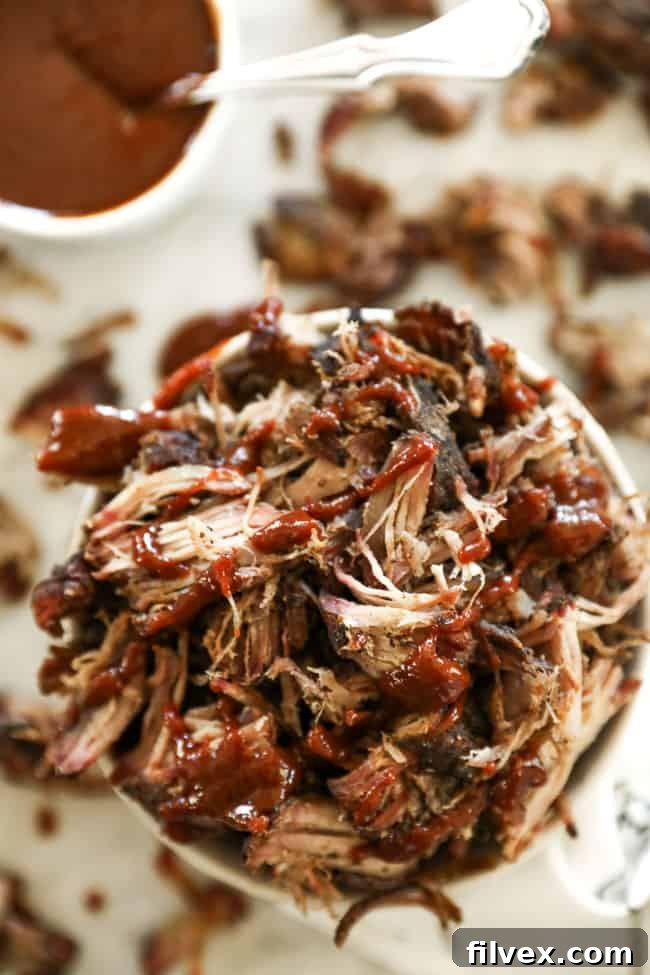
The Ultimate Smoked Pork Shoulder with a Unique Dry Rub: Achieve Fork-Tender Perfection
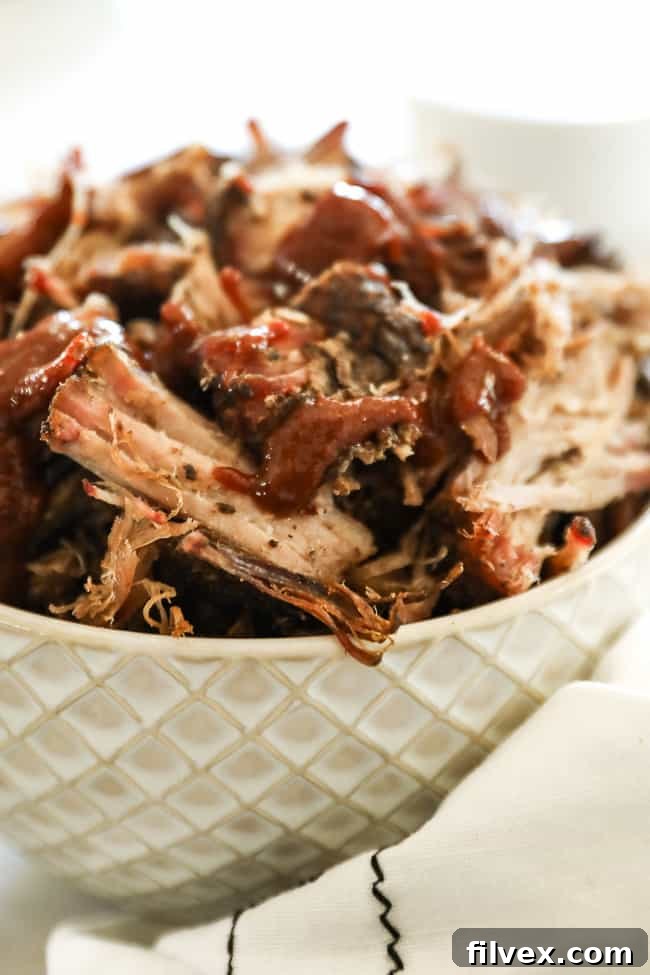
Embark on a culinary journey to master the art of smoked pork shoulder. This comprehensive guide will equip you with all the knowledge and techniques needed to create succulent, fall-apart pulled pork right in your backyard smoker. Forget dry, tough results – we’re talking about a rich, smoky flavor, an irresistible crispy bark, and meat so tender it practically shreds itself with a glance. Whether you’re a seasoned pitmaster or firing up your smoker for the first time, our unique dry rub recipe and detailed smoking tips will ensure your pulled pork is nothing short of legendary. Get ready to impress your family and friends with a BBQ masterpiece that’s not only incredibly delicious but also mindful of your health goals, being Paleo, Whole30, and Keto approved!
Rave Reviews from Our Readers
“I dedicated the past two days to following this recipe precisely, and the effort was unbelievably rewarding. As a first-time smoker user, I deeply appreciated the meticulous details provided throughout. The result? Absolutely amazing! My 4.5-pound pork shoulder cooked for 7 hours in the smoker, followed by a crucial 1-hour rest, and it transformed into pure perfection. I cannot express enough good things about this recipe; it exceeded my wildest expectations. A huge thank you, again and again, for sharing this gem!”
Andrea
Read More Reviews >>
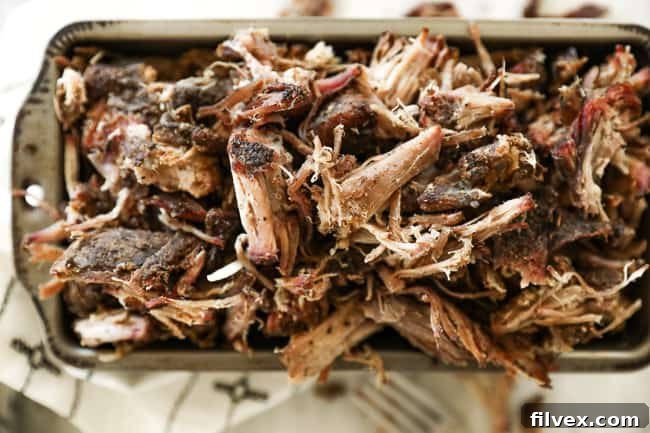
Crafting the Perfect Bark: Our Unique Smoked Pork Shoulder Rub
While many excellent pork shoulder rubs rely on a classic blend of salt, pepper, garlic powder, onion powder, chili powder, and paprika (a fantastic recipe for which can be found in our Pulled Pork Recipe), we wanted to elevate the flavor profile for this smoked masterpiece. Our goal was to create something distinctively rich, complex, and savory that complements the smoky notes without overpowering the natural goodness of the pork.
The secret to our rub’s success begins even before the spices hit the meat:
- **Mustard Binder:** First, we apply a thin, even coat of mustard all over the pork shoulder. This isn’t just for flavor; the mustard acts as a superb binder, ensuring our dry rub adheres beautifully to the meat. More importantly, it plays a critical role in developing that sought-after, deeply flavorful “bark” – the crispy, crusty exterior that makes smoked pork irresistible. Don’t worry, the mustard flavor mellows out completely during the long smoke, leaving behind only a fantastic texture.
- **A Symphony of Spices:** Our dry rub goes beyond the basics, incorporating a unique blend of sage, cumin, allspice, and ginger. These spices are carefully chosen to create a flavor profile that is both intriguing and harmonious with the pork. Sage brings an earthy, slightly peppery depth, while cumin adds a warm, robust note. Allspice contributes a touch of sweet, aromatic complexity reminiscent of cloves and nutmeg, and ginger provides a subtle, zesty kick that brightens the entire blend. The result is a smoky, complex, and incredibly savory rub that will have everyone asking for your secret.
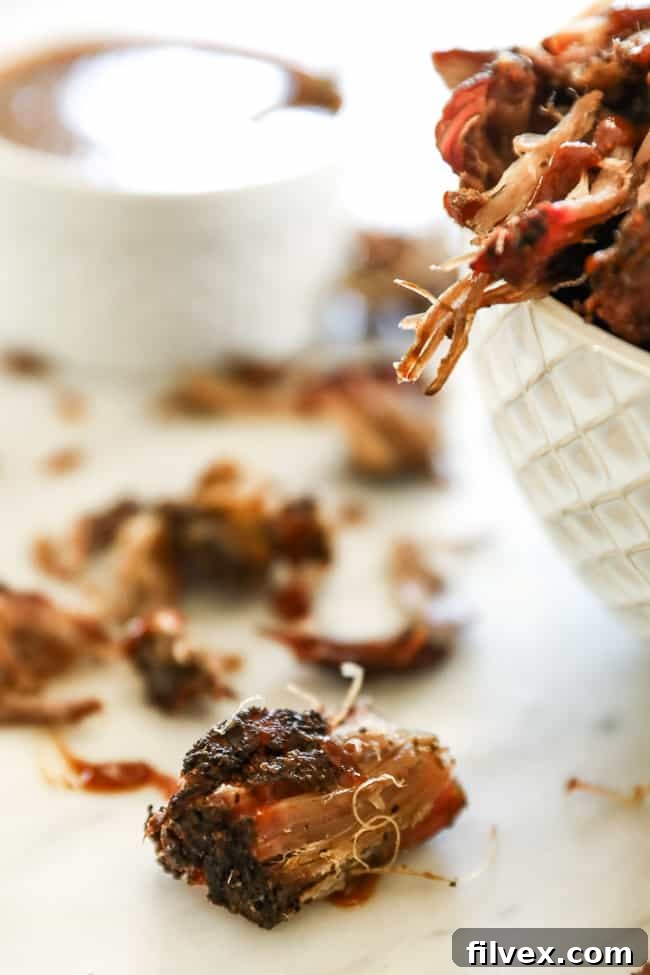
The Patience of “Low and Slow”: How Long to Smoke Pork Shoulder at 225 Degrees?
One of the most frequently asked questions when smoking a large cut of meat like a pork shoulder is about the cooking time. The answer, while seemingly straightforward, depends on several factors, but the core principle is “low and slow.” When you maintain a consistent smoker temperature of 225° Fahrenheit, a typical pork shoulder can take anywhere from 10 to 14 hours to reach that coveted “fork tender” consistency. This extended cooking time is crucial for breaking down the tough connective tissues in the pork shoulder, rendering the fat, and allowing the smoke flavor to deeply penetrate the meat.
Understanding the “stall” is also key. Around the 150-165°F internal temperature mark, the meat’s temperature can plateau for several hours. This phenomenon, often called “the stall,” is due to evaporative cooling on the meat’s surface. Don’t panic and don’t rush it; this is a normal part of the smoking process. Patience during this phase is rewarded with truly tender results.
Factors influencing your cook time include the size and thickness of your pork shoulder, its fat content, the stability of your smoker’s temperature, and even external weather conditions. A good quality leave-in thermometer is your best friend here, providing accurate internal temperature readings without constantly opening the smoker, which causes temperature fluctuations and extends cook time.
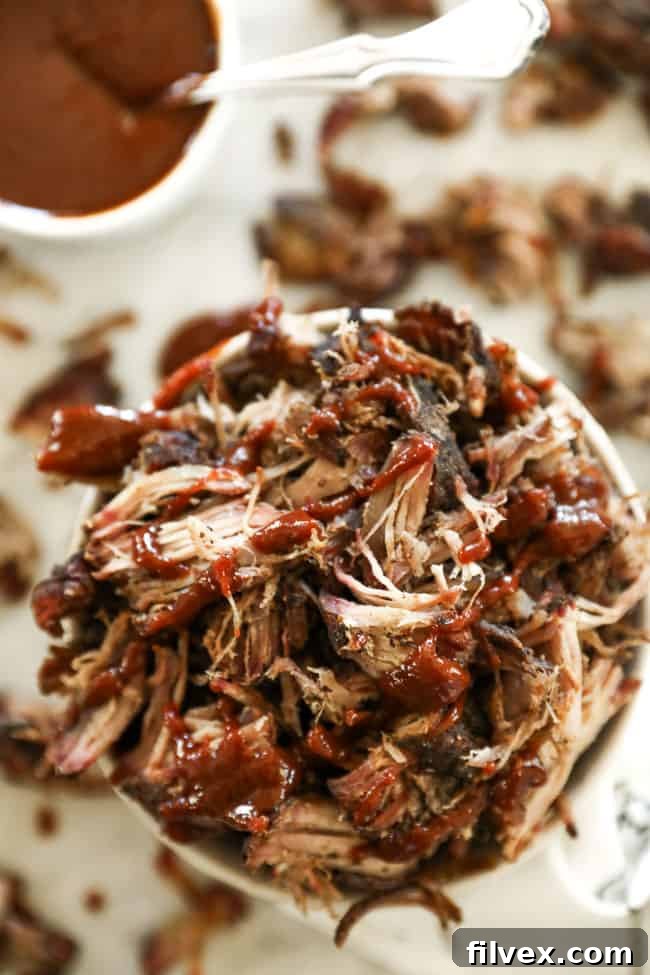
Smart Strategies to Optimize Your Smoked Pork Shoulder Cooking Time
While patience is a virtue in BBQ, there are a few clever techniques you can employ to gently expedite the smoking process without sacrificing flavor or tenderness. Even with these methods, a truly amazing smoked pork shoulder still requires a significant investment of time, so always plan your cook accordingly for the best results.
- **The “Texas Crutch” (Wrapping the Meat):** After approximately 4-5 hours of smoking, the meat will have absorbed most of the smoke flavor it’s going to take on. At this critical juncture, you can wrap the pork shoulder tightly in heavy-duty aluminum foil or butcher paper. This technique, often referred to as the “Texas Crutch,” helps push the meat through the stall faster by preventing evaporative cooling and speeding up the internal temperature rise. Once wrapped, you can also safely increase your smoker’s temperature.
- **Moisture Retention with Broth:** When wrapping the meat, generously pour some warmed bone broth (or beef broth) into the foil packet before sealing it. This not only adds flavor but, more importantly, creates a moist environment that prevents the meat from drying out during the higher-temperature finishing phase. If you choose not to wrap, you can achieve a similar effect by regularly spritzing the meat with bone broth or apple cider vinegar throughout the cook, which also contributes to bark development and flavor.
- **Temperature Boost for the Finish:** To further accelerate the cooking process after wrapping, heat your bone broth separately before adding it. This prevents a cold liquid from dropping the internal temperature of your pork. After adding the warmed broth and sealing the pork in a baking dish with foil, you can increase your smoker’s temperature to 250°F or even 300°F. This higher heat will quickly bring the pork to its final desired temperature while the wrap protects it from drying.
- **Targeting the Perfect Internal Temperature:** The desired internal temperature largely dictates the texture of your pulled pork.
- For a slightly firmer meat that’s more suitable for slicing or chopping rather than pulling, you can remove the pork shoulder when it reaches an internal temperature of 195°F. This will still be tender but retain more structure.
- However, for truly “fork tender” meat that effortlessly shreds into juicy strands, aim for an internal temperature of at least 205°F, or even up to 210°F. This higher temperature allows the collagen to fully break down, resulting in that melt-in-your-mouth texture everyone loves.
- **Holding Warm for Flexible Serving:** Given the unpredictable nature of smoking times, it’s incredibly useful to know you can keep your smoked pork shoulder warm for several hours after it comes off the smoker. Simply wrap the cooked pork tightly with aluminum foil, then wrap it in a thick towel (an old beach towel works perfectly). Place this bundled pork into an insulated cooler. The cooler acts as a fantastic warming box, retaining heat and keeping your pork warm and juicy for 2-3 hours, allowing you flexibility in your serving schedule.
Related ->> Discover another BBQ favorite with our Traeger Smoked Boston Butt!
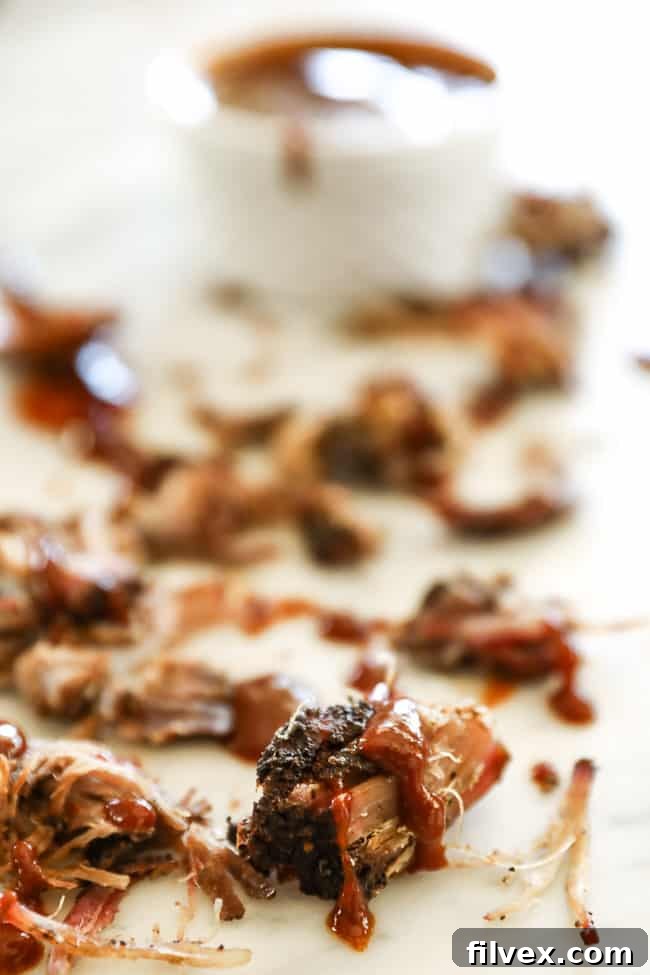
We sincerely hope you cherish this recipe as much as we do!
Your feedback is invaluable to us. Please don’t forget to leave a quick star rating and a detailed review below – we meticulously read every single comment and truly appreciate your honest thoughts. Also, take a moment to explore the rest of our easy dinner recipes featuring pork to discover more delightful meals!
Smoked Boneless Pork Shoulder with Dry Rub
10 mins
8 hrs
30 mins
8 hrs 10 mins
8
Pin Recipe
Leave a Review
Ingredients
- 4 lb Boneless pork shoulder, (or Boston butt)
- 1/4 cup mustard
- 2 cups beef broth, (warmed)
For the rub:
- 2 tsp sea salt
- 2 tsp ground pepper
- 2 tsp sage
- 2 tsp cumin
- 1 tsp thyme
- 1 tsp allspice
- 1 tsp ginger
For the optional sauce:
- 1/2 cup coconut aminos
- 1/4 cup tomato paste
- 2 tbsp white vinegar
- 1 tbsp yellow mustard
- 2 tsp smoked paprika
- 1 tsp chili powder
- 1 tsp garlic oil, (can substitute 1 tsp garlic powder)
Instructions
-
Prepare the rub by combining all rub ingredients in a small bowl or jar and mixing thoroughly until well blended.
-
Place the pork shoulder in a shallow pan or dish. Evenly rub the mustard all over the pork to create a light, cohesive coating.
-
Apply a generous amount of the prepared dry rub over the entire surface of the pork. For enhanced flavor penetration and bark development, you can cover the pork and refrigerate it for up to 24 hours. If refrigerated, allow the pork to sit out and come to room temperature for about an hour before smoking.
-
Consult your smoker’s instructions to bring its internal temperature up to a steady 225° Fahrenheit.
-
Carefully place the prepared pork shoulder in the smoker. Smoke until the internal temperature of the pork reaches 140°-150° Fahrenheit, which typically takes 4-5 hours.
-
Once the pork reaches 140°-150°F, warm the beef broth in a pan on the stove or in the microwave until hot. This prevents it from cooling down the pork. Transfer the pork to a sturdy roasting pan and pour the warmed beef broth around the base of the meat. Cover the pan securely with aluminum foil, or tent it with parchment paper followed by foil.
-
Return the covered pork to the smoker. At this point, you can increase the smoker heat to 250°F or even 300°F. Continuously monitor the internal temperature with a reliable meat thermometer and continue cooking until the pork reaches at least 205°F, or ideally up to 210°F for maximum tenderness. This final phase will typically take an additional 2-3 hours.
-
Carefully remove the pork from the smoker. Let it rest, still tented with foil or parchment paper, for a minimum of 20-30 minutes. This resting period allows the juices to redistribute throughout the meat, resulting in a more moist and flavorful product.
-
While the pork is resting, if you plan to use it, prepare the optional sauce. Add all sauce ingredients to a bowl or jar and mix well until thoroughly combined.
-
Using two forks or specialized meat forks, shred the tender pork. Serve immediately, topped with your optional sauce, and savor every bite!
Your Feedback Matters!
Please leave a star rating and comment to share your experience with this recipe! Your ratings and reviews are incredibly valuable and help our community grow. Thank you!
Notes
Nutrition facts are an estimate provided for those following a Ketogenic or low-carb diet and do not include the optional sauce for this recipe. See our full nutrition information disclosure here.
Carbohydrates: 6g,
Protein: 53g,
Fat: 26g,
Fiber: 1g
Main Course
Justin + Erica Winn
American
Did you make this recipe?
Tag @realsimplegood with hashtag #realsimplegood on Instagram. We love to see what you make!