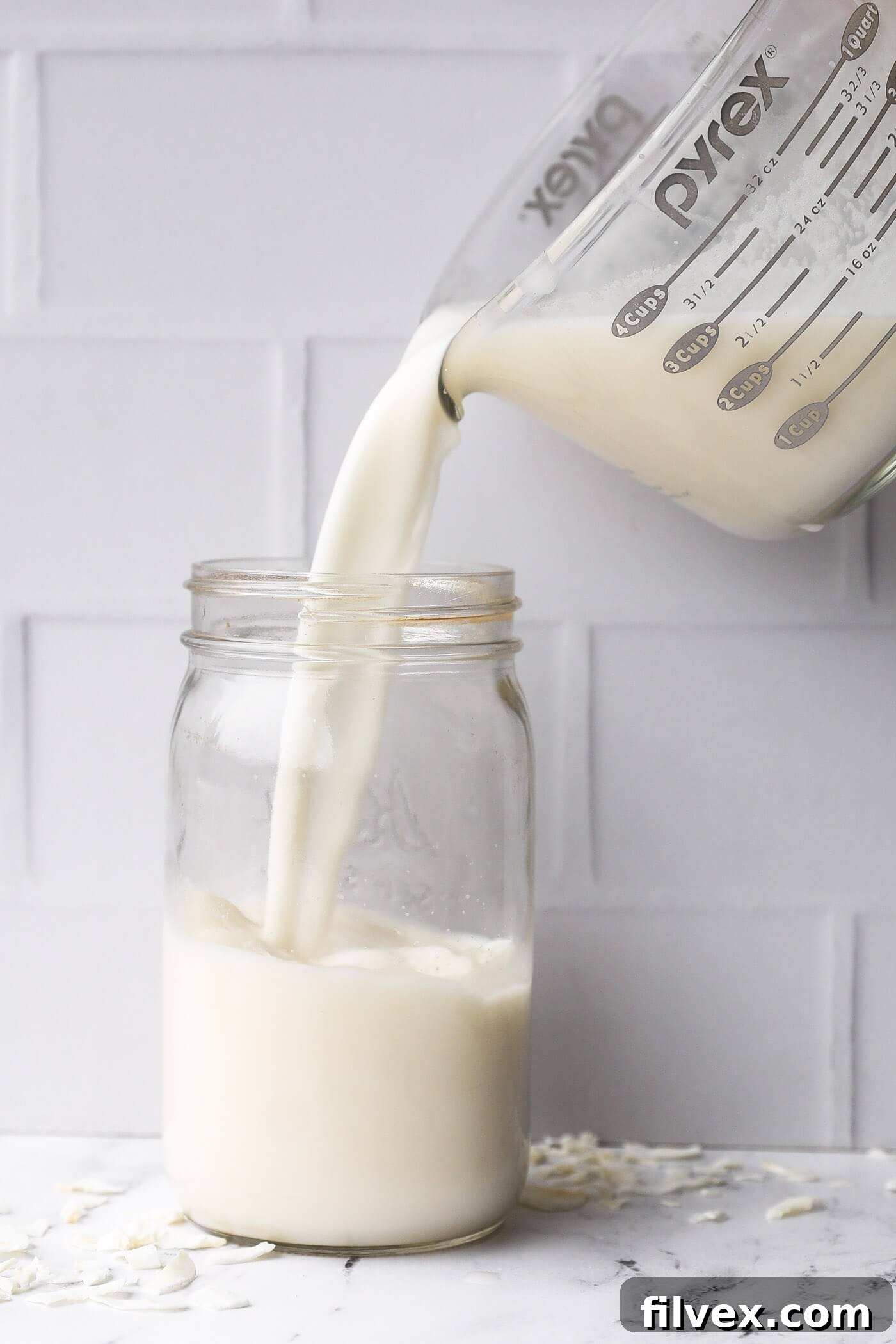
Effortless Homemade Coconut Milk: Creamy, Cost-Effective & Delicious!
Discover the simple secret to crafting your own rich, creamy coconut milk right in your kitchen! This incredibly easy, DIY recipe is a game-changer for anyone seeking a fresh, dairy-free alternative that’s both economical and highly versatile. Say goodbye to store-bought cartons filled with additives and hello to pure, wholesome coconut goodness.
Why You’ll Absolutely Love Our Simple DIY Coconut Milk Recipe
Making your own coconut milk at home is not just a trend; it’s a smart, healthy, and delicious choice. Here’s why this recipe will quickly become one of your kitchen staples:
- Luxuriously Creamy Dairy-Free Milk Alternative: If you’re sensitive to dairy or simply prefer plant-based options, this homemade coconut milk offers an unparalleled creaminess that rivals any dairy product. Its natural richness makes it perfect for enhancing everything from your morning coffee to elaborate desserts. It’s naturally lactose-free and a fantastic choice for those following vegan, paleo, or whole30 lifestyles.
- Significantly More Affordable Than Store-Bought Options: Buying pre-made coconut milk can be surprisingly expensive, especially for organic, additive-free varieties. By making it yourself with just two core ingredients – shredded coconut and water – you’ll notice substantial savings over time. Purchasing shredded coconut in bulk further amplifies these cost benefits, making homemade coconut milk a budget-friendly staple.
- Incredibly Versatile for a Multitude of Culinary Uses: The beauty of homemade coconut milk lies in its adaptability. Its delicate, slightly sweet flavor profile makes it suitable for an astonishing array of dishes and beverages. You can seamlessly incorporate this creamy liquid into:
- Smoothies: Achieve a thicker, more satisfying consistency and a delicious tropical hint in your breakfast blends.
- Matcha Lattes: Create a cafe-quality matcha latte with a smooth, frothy texture and subtle sweetness.
- Golden Milk Lattes: Elevate the comforting warmth of a golden milk latte with the rich base of fresh coconut milk.
- Soups: Add depth, creaminess, and a touch of exotic flavor to various soups, especially those with an Asian or Indian influence.
- Chia Puddings: Transform simple chia seeds into a decadent, creamy pudding perfect for breakfast or dessert.
- Cooking & Baking: Use it as a direct substitute for dairy milk or canned coconut milk in countless desserts and treats, curries, sauces, and oatmeal for added flavor and richness.
Explore More! ->> Discover over 30 Delicious Recipes That Use Coconut Milk
What Our Readers Are Saying
This recipe is a life saver! I ran out of coconut milk one day and needed it, pronto! Simple, quick and easy. I now buy shredded coconut in bulk and make this regularly, for use in my smoothies and cooking. Thanks, guys! 🥰
Lyn
Read more reviews >>
Essential Ingredients & Equipment for Homemade Coconut Milk
You’ll be amazed at how few items you need to create this kitchen marvel. Quality ingredients make all the difference, and the right equipment ensures a smooth, creamy result every time.
- Unsweetened Shredded Coconut or Coconut Flakes: This is the star ingredient! We’ve tested both shredded coconut and larger coconut flakes, and both yield excellent results. The key is to ensure they are *unsweetened*. Sweetened versions contain added sugars that will alter the flavor profile of your milk. Look for organic options if possible for the purest taste. Buying in larger quantities from bulk bins or online can significantly reduce your costs.
- Filtered Water: The quality of your water directly impacts the taste of your coconut milk. Using filtered water ensures a clean, fresh flavor without any tap water impurities or chlorine notes. You might even consider warming your filtered water slightly (not boiling) before blending, as some believe it helps extract more flavor and fat from the coconut, resulting in an even creamier milk.
- Optional Flavor Enhancers: While plain coconut milk is wonderfully delicious on its own, a few simple additions can customize it to your liking.
- Maple Syrup: For a touch of natural sweetness, pure maple syrup is an excellent choice. Start with a small amount and adjust to your taste preferences. Agave nectar or a few pitted dates can also work.
- Ground Cinnamon: A pinch of cinnamon adds a warm, inviting spice that pairs beautifully with coconut.
- Vanilla Extract: Just a half teaspoon of good quality vanilla extract can elevate the aroma and add a subtle complexity to your milk, making it even more delightful in lattes and desserts.
- Other Ideas: Experiment with a tiny pinch of sea salt to enhance flavor, or a dash of nutmeg for a unique twist.
- High-Powered Blender: This piece of equipment is crucial for achieving that ultra-creamy, smooth consistency. A high-speed, powerful blender like a Blendtec or Vitamix pulverizes the coconut flakes more efficiently, ensuring maximum extraction of fats and flavors and minimizing pulp. While a regular blender can work, you might need to blend for a longer duration and potentially strain multiple times to achieve a similar smoothness. The more powerful the blender, the finer the pulp, and the creamier your milk will be.
- Nut Milk Bag or Fine Mesh Strainer: Essential for separating the rich milk from the coconut pulp. A dedicated nut milk bag is highly recommended for its fine weave and durability, making the straining process quick and mess-free.
Step-by-Step Guide: How to Make Homemade Coconut Milk
Creating your own thick and creamy coconut milk at home is surprisingly straightforward. Follow these easy steps to get started:
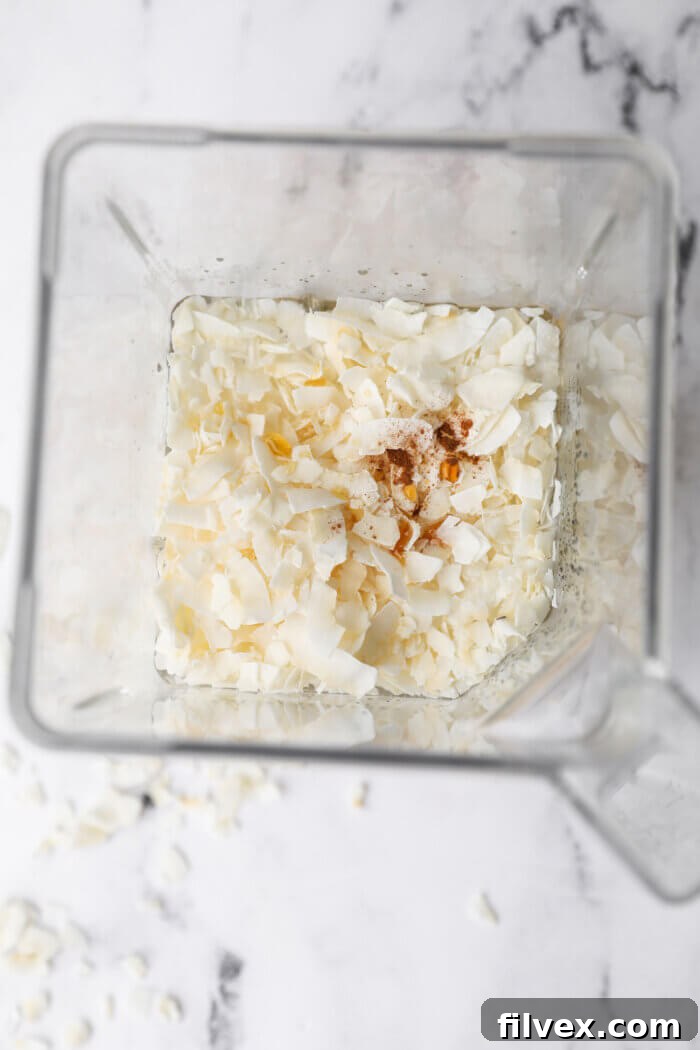
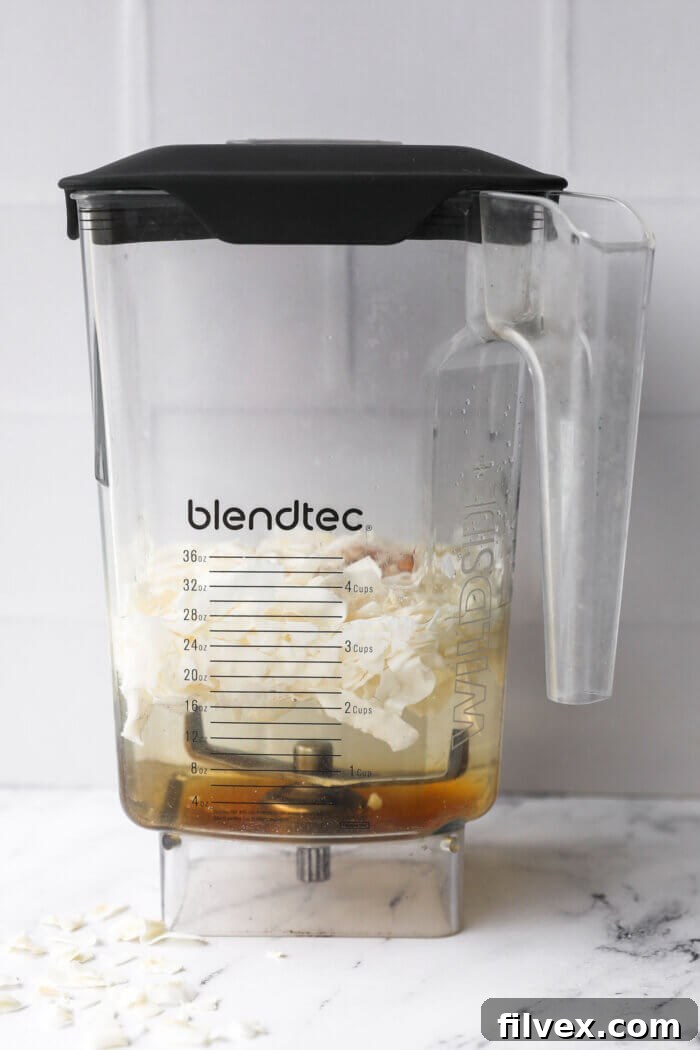
- Step 1: Blend to Perfection. Add the shredded coconut, filtered water, and any desired optional add-ins (like maple syrup, vanilla extract, or cinnamon) to your high-powered blender. Secure the lid and blend on high for 1 to 3 minutes. The exact blending time can vary depending on your blender’s power and your desired consistency. You’ll notice the mixture transforming into a milky, frothy liquid. For optimal creaminess, aim for a consistency where the coconut flakes are thoroughly pulverized, typically around 90 seconds to 2 minutes.
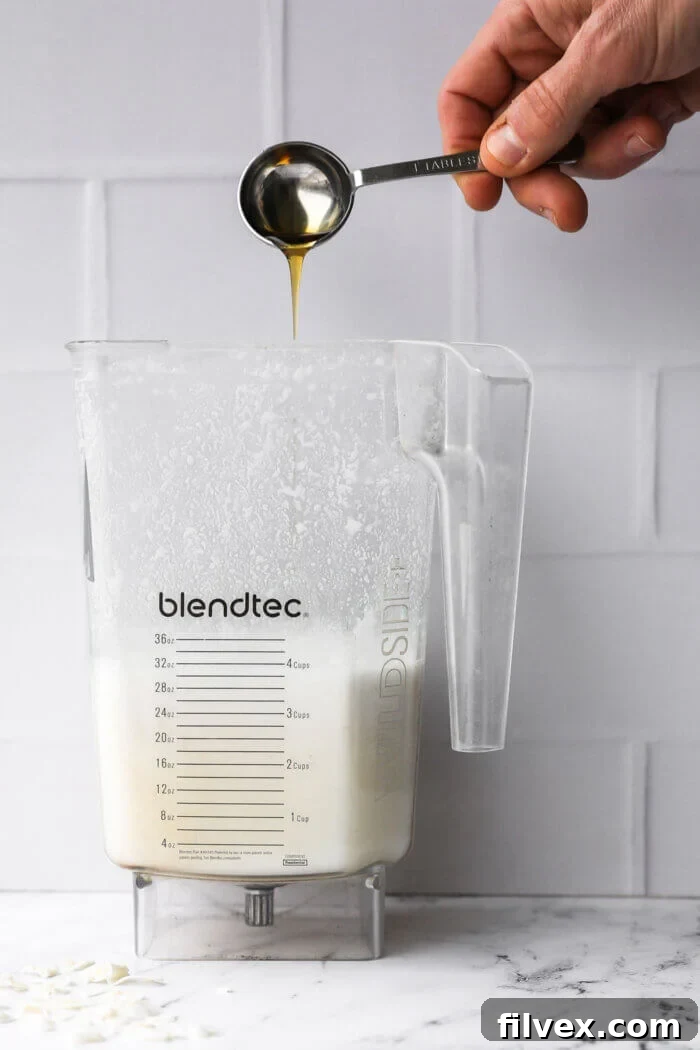
- Step 2: Taste and Adjust. After the initial blend, stop the blender and carefully taste a small amount of the coconut milk. This is your opportunity to customize it. If you prefer a thinner consistency, add a little more filtered water and blend again for a few seconds. For a richer, thicker milk, you can add a tablespoon or two of extra shredded coconut and re-blend. Adjust sweetness levels by adding more maple syrup if desired. Always re-blend briefly after adding ingredients to ensure they are fully incorporated.
How to Strain & Store Your Homemade Coconut Milk
Once you’ve achieved the perfect blend, the next crucial step is straining to separate the smooth milk from the fibrous pulp. Proper storage will then ensure your homemade goodness lasts.
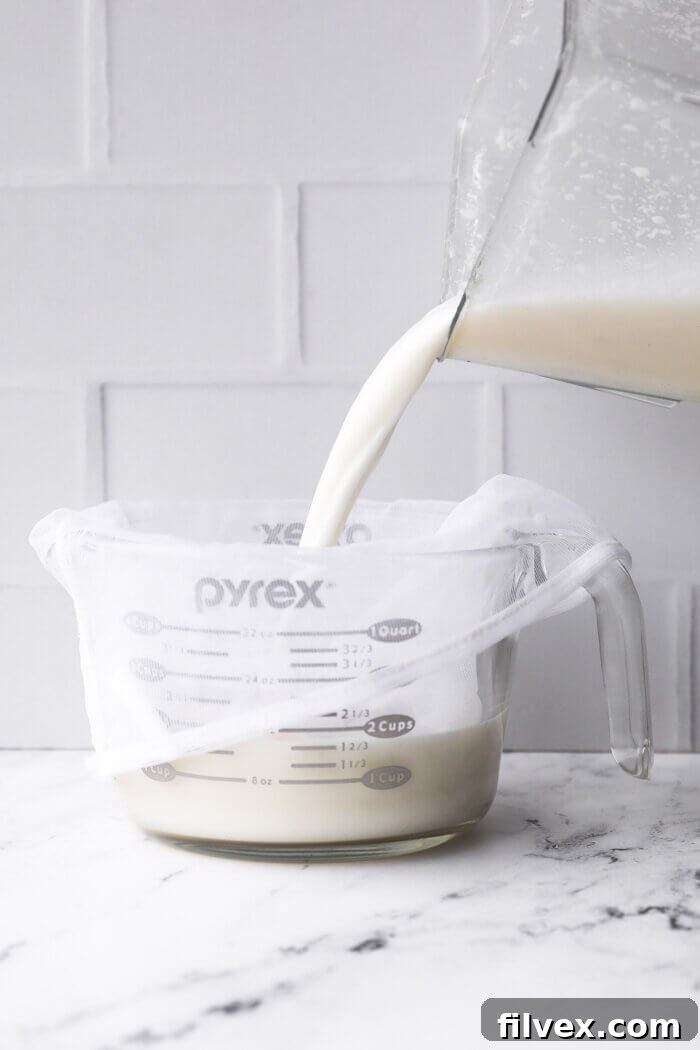
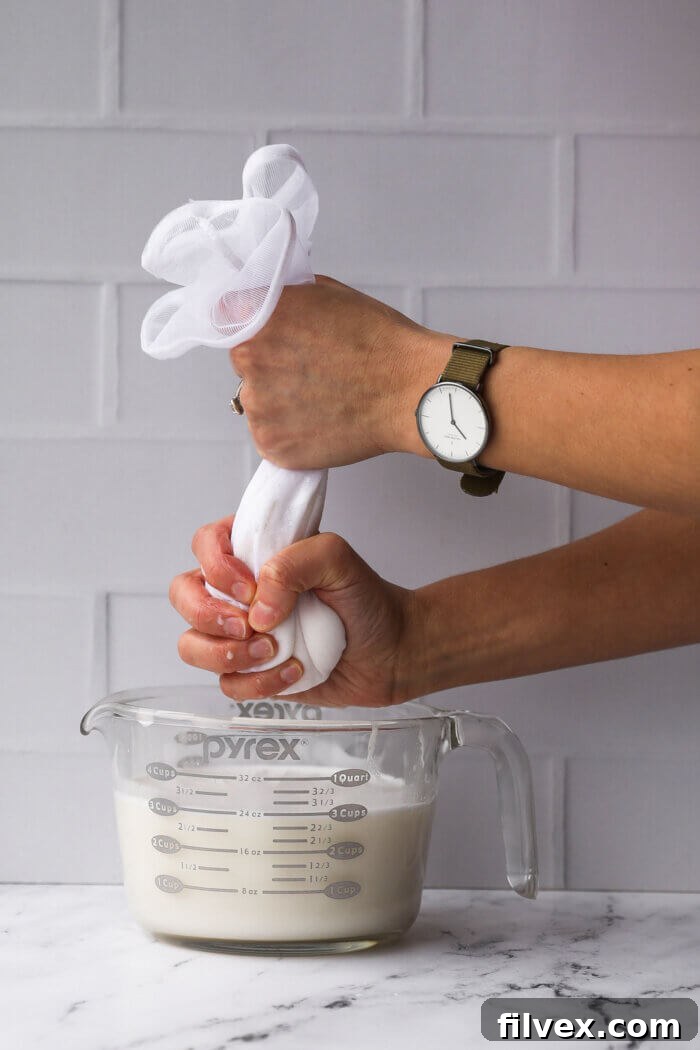
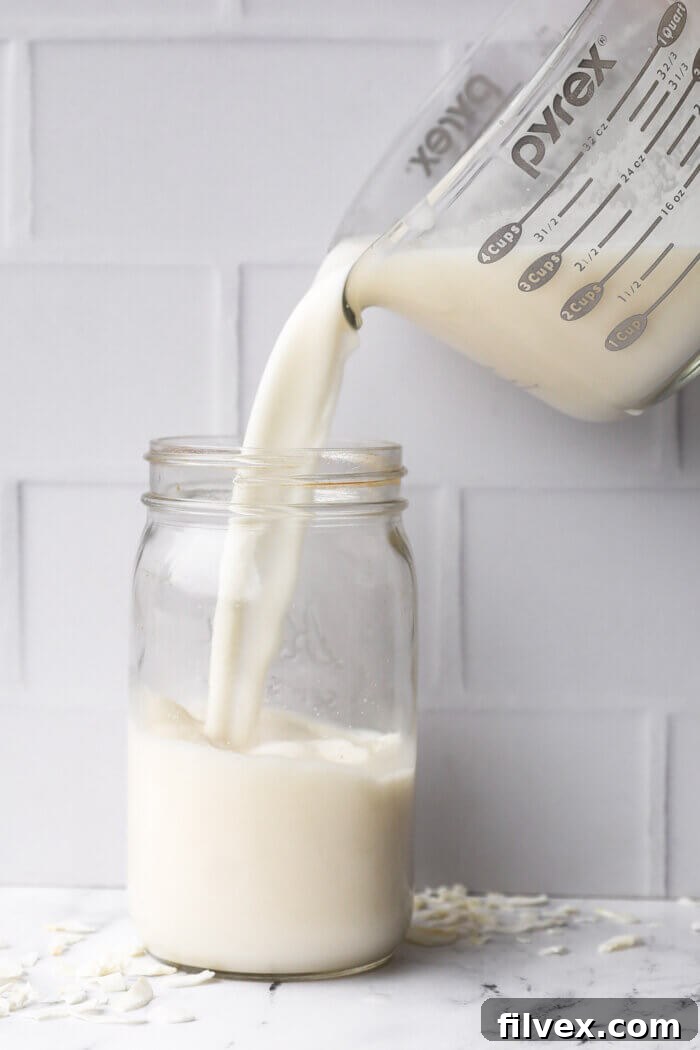
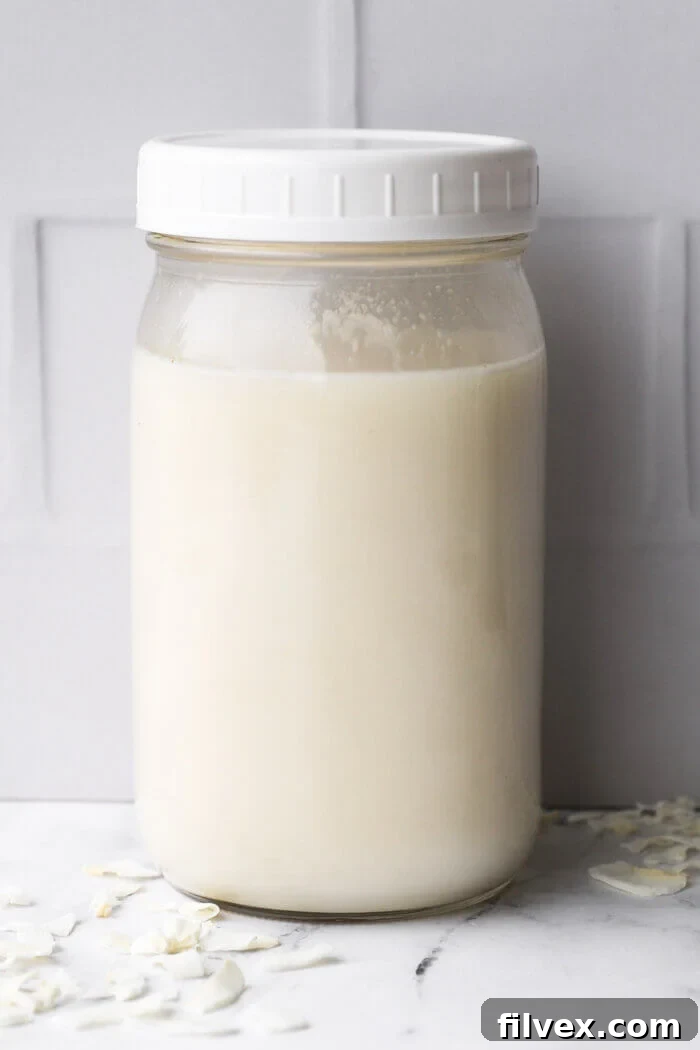
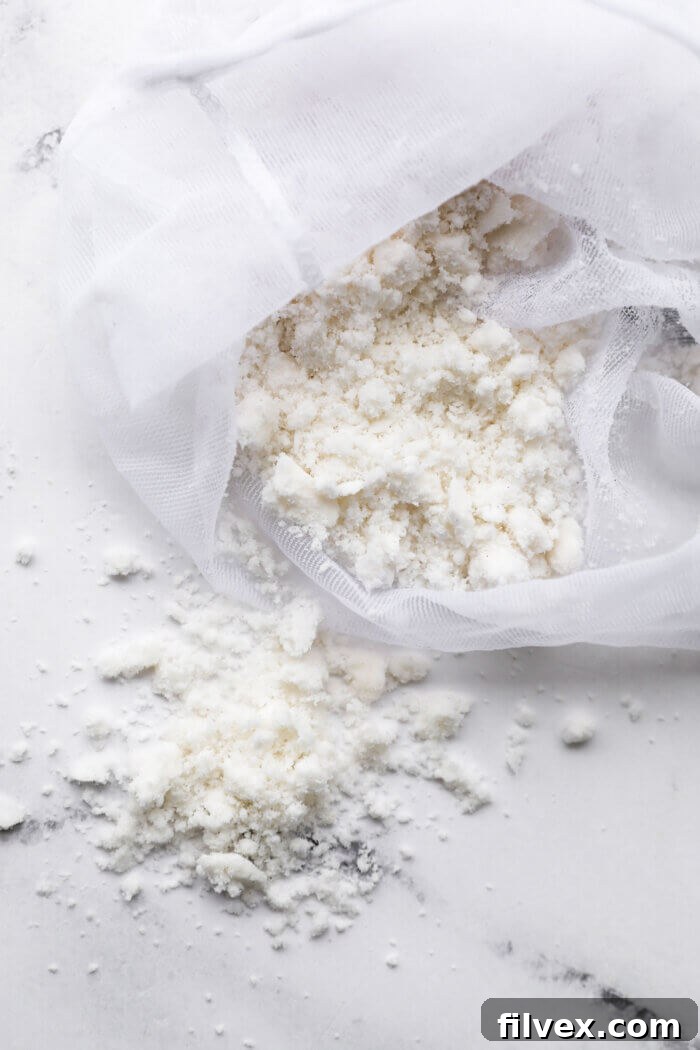
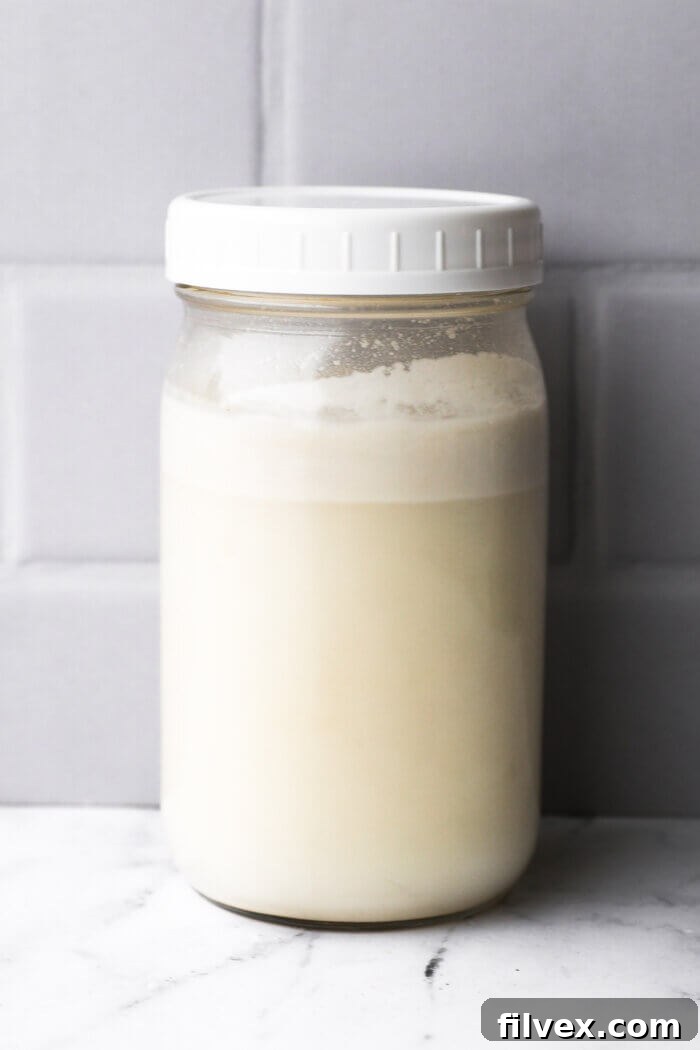
Once blended, you’ll need to strain out the pulp, leaving only the creamy milk in the jar for use and storage. Here’s how:
Expert Tips from a Home Chef for Perfect Homemade Coconut Milk
Achieving consistently perfect homemade coconut milk is easy with a few insider tricks. These tips will help you maximize flavor, minimize mess, and make the most of your ingredients:
- Prevent Blender Leaks with a Towel: High-powered blenders can sometimes create a powerful vortex that can cause the lid to loosen, leading to messy spills. To avoid this, try firmly holding the lid down with one hand while blending, or even better, cover the top of your blender with a clean kitchen towel. This simple trick has saved me from countless cleanups!
- Alternative Straining Methods: If you don’t own a nut milk bag, don’t worry! You can still strain your coconut milk effectively. A fine mesh strainer, ideally lined with several layers of cheesecloth, will work. Alternatively, a clean, thin kitchen towel or even a new, unused nylon stocking can serve as a makeshift straining bag. The goal is to separate the liquid from the pulp as completely as possible.
- Repurpose the Leftover Coconut Pulp: Don’t discard the strained coconut meal! It’s still full of fiber and flavor and can be repurposed in various delicious ways. Try adding it to baked goods like muffins or cookies for extra texture and a subtle coconut flavor. Mix it into your homemade granola, stir a spoonful into your morning oatmeal, or even blend a small amount into smoothies for added fiber. You can also dry it out to make your own coconut flour.
- Addressing Separation in the Fridge: It’s completely normal for homemade coconut milk to separate when stored in the refrigerator. A solid layer of coconut fat will rise to the top of the jar. This is a natural occurrence and a sign of good, natural milk! To reincorporate the fat and return your milk to its creamy consistency, simply give the jar a vigorous shake before each use. If shaking isn’t enough, or if the fat layer is particularly solid, pour the milk back into your blender for a quick pulse or two. I’ve found that after one re-blend, it usually stays fluid and well-mixed for subsequent uses.
- Warm Water for Enhanced Extraction: As mentioned, using slightly warm (not hot or boiling) filtered water can help to soften the coconut flakes and facilitate better fat and flavor extraction during blending, resulting in a richer, creamier milk.
- Adjusting Thickness for Different Uses: The ratio of coconut to water can be adjusted based on your desired thickness. For a richer, thicker “cream” for desserts or curries, use less water (e.g., 2 cups water to 1.5 cups coconut). For a thinner, more beverage-like milk, increase the water ratio (e.g., 4 cups water to 1.5 cups coconut). Experiment to find your perfect balance.
The Health Benefits of Homemade Coconut Milk
Beyond its delicious taste and versatility, homemade coconut milk offers several health advantages, especially when compared to some processed alternatives. It’s a natural source of medium-chain triglycerides (MCTs), which are easily digestible fatty acids that can provide a quick source of energy. MCTs are often linked to improved brain function and weight management. Coconut milk is also rich in essential minerals like manganese and copper, which play vital roles in bone health and metabolic processes. Being dairy-free, it’s naturally lactose-free and a great option for individuals with lactose intolerance or dairy allergies. When made at home, you have complete control over the ingredients, avoiding unwanted additives, preservatives, and excessive sugars often found in commercial products, ensuring you get pure, wholesome goodness in every sip.
Craving more coconut? ->> Browse all of our coconut milk recipes here.
How to Make Coconut Milk (5-Minutes, 2 Ingredients)
Pin Recipe
Leave a Review
Ingredients
- 1.5 cups unsweetened shredded coconut
- 3 cups filtered water
Optional add-ins:
- 1/2 tsp vanilla extract
- 1 tbsp pure maple syrup
- Pinch of ground cinnamon
Equipment
-
High powered blender (like a Blendtec or a Vitamix)
-
Nut Milk Bag or Fine Mesh Strainer
Instructions
-
Place unsweetened shredded coconut, filtered water, and any desired optional add-ins into a high-powered blender. Blend on high until the mixture is creamy and smooth, typically for about 1-2 minutes.
-
Taste the coconut milk and adjust the flavor as needed. You can add more sweetener, spices, or a little more water if you prefer a thinner consistency. If you make any additions, give the mixture another quick pulse in the blender to combine.
-
Carefully pour the blended mixture into a large mixing bowl or pitcher that has been lined with a nut milk bag or a fine mesh strainer (ideally lined with cheesecloth). Squeeze the nut milk bag firmly to extract all the liquid, leaving only the fine coconut pulp behind.
-
Transfer the freshly strained coconut milk into a clean glass jar with an airtight lid. Store it in the refrigerator for up to 3-4 days. Use this homemade coconut milk in any recipe that calls for dairy milk or canned coconut milk, as well as in your favorite hot and cold beverages or baked goods.
Note: Natural separation will occur when the coconut milk is refrigerated, with a layer of fat rising to the top. This is normal! Simply give the jar a good shake before each use. If the fat layer is very solid, a quick re-blend in your blender for a few seconds will restore its creamy consistency.
Last Step:
Please leave a star rating and comment to let us know how you liked this recipe! Your ratings and reviews help our business grow, thank you!
We Hope You Love This Recipe as Much as We Do!
Crafting your own coconut milk at home is a rewarding experience that brings freshness, flavor, and incredible value to your kitchen. We’re confident that once you try this simple recipe, you’ll wonder why you ever bought it from the store!
Don’t forget to leave a quick star rating and review below to let us know how much you enjoyed this easy DIY project. Your feedback is invaluable and genuinely helps our community grow. Also, be sure to browse the rest of our delicious, real-food recipes to find more favorites that will nourish your body and delight your taste buds!