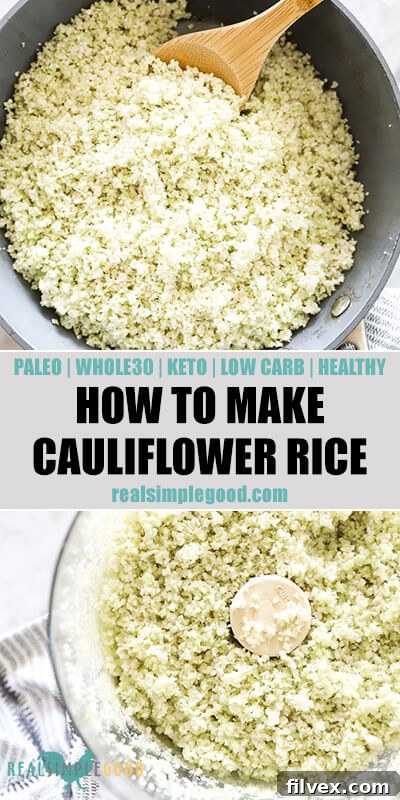
Welcome to the world of cauliflower rice – a versatile and nutritious alternative that has become an indispensable staple in low-carb, grain-free, and health-conscious kitchens worldwide. Far from being a mere trend, this ingenious vegetable substitute offers a fantastic way to boost your daily vegetable intake while enjoying the texture and serving versatility typically associated with traditional grains. It’s incredibly simple to prepare, deliciously adaptable, and seamlessly integrates into a myriad of dishes, making healthy eating both easy and enjoyable. Whether you’re adhering to specific dietary guidelines like Keto, Paleo, or Whole30, or simply seeking lighter, more nutrient-dense meal options, cauliflower rice stands out as a culinary hero. This comprehensive guide will walk you through everything you need to know, from preparing your own fresh cauliflower rice at home to mastering various cooking techniques and infusing it with incredible flavors, ensuring your dishes are anything but bland.
Crafting Homemade Cauliflower Rice: A Step-by-Step Guide
While convenience stores offer pre-riced cauliflower, we highly advocate for making your own from a fresh head of cauliflower. Not only is it significantly more cost-effective, but it also ensures maximum freshness, superior flavor, and allows you complete control over the texture. The process takes mere minutes and yields a noticeably better product than most store-bought alternatives. Let’s delve into the simple steps to create perfect cauliflower rice right in your kitchen.
- Selecting the Perfect Cauliflower Head: Begin with a fresh, firm head of cauliflower. Look for creamy white florets free from brown spots or blemishes, with vibrant green leaves tightly wrapped around the base. A heavier head usually indicates more dense florets.
- Prepping Your Cauliflower for Ricing: First, remove all the outer green leaves and trim the thick, tough stem at the base. Then, cut the cauliflower into manageable florets. You can include some of the tender inner stem as it will also rice beautifully. Break larger florets into smaller, uniform pieces to ensure even processing.
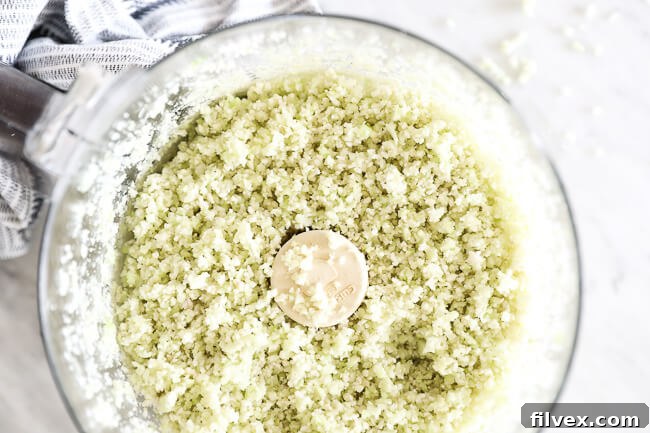
- Utilizing a Food Processor for Ideal Texture: This is the quickest and most efficient method. Place the cauliflower florets into your food processor. Avoid overcrowding the bowl; you’ll likely need to process the cauliflower in two or three separate batches depending on the size of your food processor.
- Achieving the Right Consistency: Pulse the florets in short bursts – typically 10-15 pulses – until they resemble grains of rice. The key is to pulse, not blend continuously. Continuous blending can quickly turn your cauliflower into a mushy paste rather than distinct rice-like particles. Stop when you see a consistent, granular texture.
- Alternative Ricing Methods: The Box Grater Technique: If you don’t own a food processor, a standard box grater can achieve similar results. Use the largest holes on the grater to shred the cauliflower florets. This method takes a bit more effort but is equally effective in producing grain-like pieces.
Mastering the Art of Cooking Cauliflower Rice: Diverse Methods for Every Dish
The beauty of cauliflower rice lies in its rapid cooking time and incredible adaptability. Unlike traditional rice, it doesn’t require precise water ratios and long simmering. However, common pitfalls include overcooking, which leads to a watery or mushy texture, or under-seasoning, which can result in a bland side dish. The goal is to cook it just until tender-crisp, allowing it to retain a slight bite while absorbing flavors. Here are the most popular and effective cooking methods, each offering a unique texture and catering to different culinary applications.
- Pan-Frying: The Quickest & Most Versatile Method: Ideal for a slightly al dente texture and easy flavor infusion.
- Roasting: For a Crisp & Nutty Texture: Perfect for those who enjoy a firmer texture with browned, slightly caramelized edges.
- Baking: Achieving Tender, Fluffy Results: A great method for a soft, steamed-rice-like consistency, especially useful in casseroles.
- Steaming: A Gentle Approach for Delicate Dishes: For an exceptionally tender and neutral base that doesn’t brown.
- Microwaving: The Ultimate Time-Saver: The fastest option for small servings when time is of the essence.
Pan-Fried Cauliflower Rice: Your Go-To for Flavor
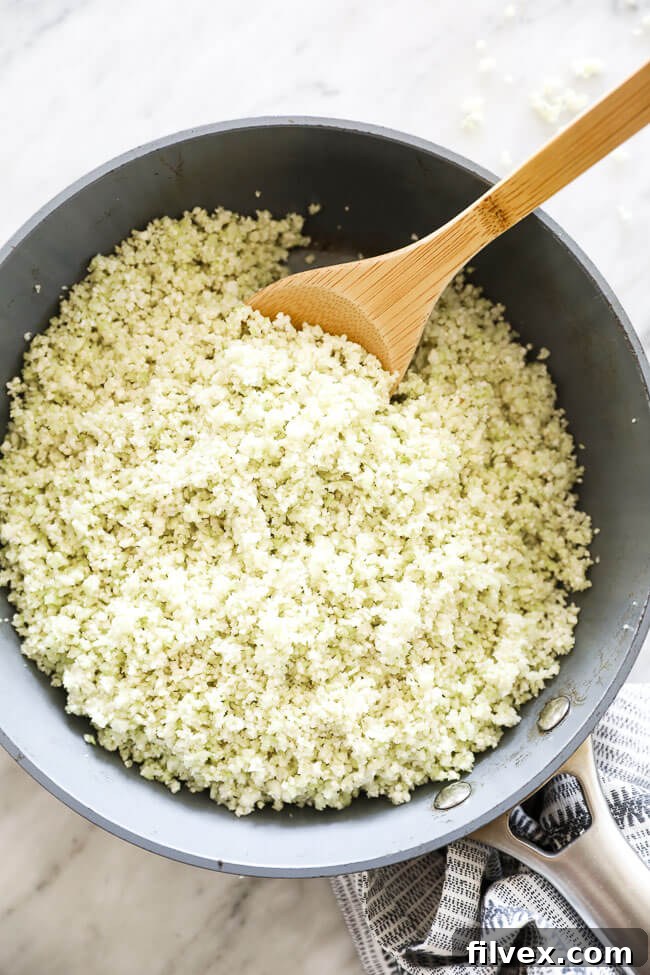
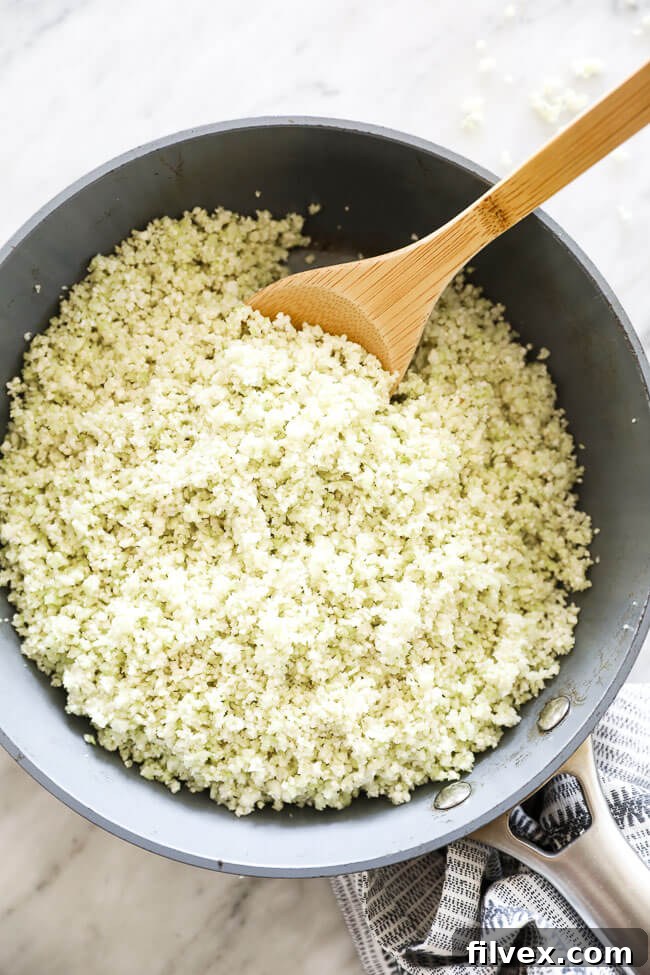
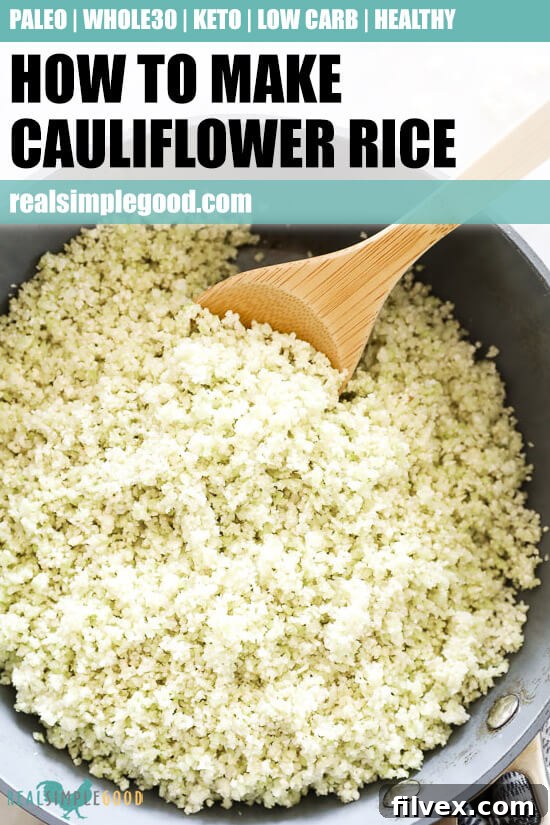
Our absolute favorite and most frequently used method for cooking cauliflower rice is pan-frying on the stovetop. It’s incredibly fast, exceptionally easy, and allows for maximum flavor absorption. This technique is perfect for creating dishes reminiscent of traditional fried rice or as a quick, flavorful side. To achieve this, heat a tablespoon of your preferred cooking oil (such as olive oil, avocado oil, or coconut oil) in a large skillet or non-stick pan over medium heat. Once the oil shimmers, add your prepared cauliflower rice. Toss it gently with your favorite seasonings – a simple blend of salt, pepper, garlic powder, and a pinch of onion powder works wonders. Cook for just 3-5 minutes, stirring occasionally, until it’s tender-crisp. You’ll notice a subtle change in color and a slight softening. Be careful not to overcook, as this can lead to a soggy texture. Serve immediately as a standalone side, a base for bowls, or as part of a vibrant stir-fry.
Roasted Cauliflower Rice: For Irresistible Crispiness
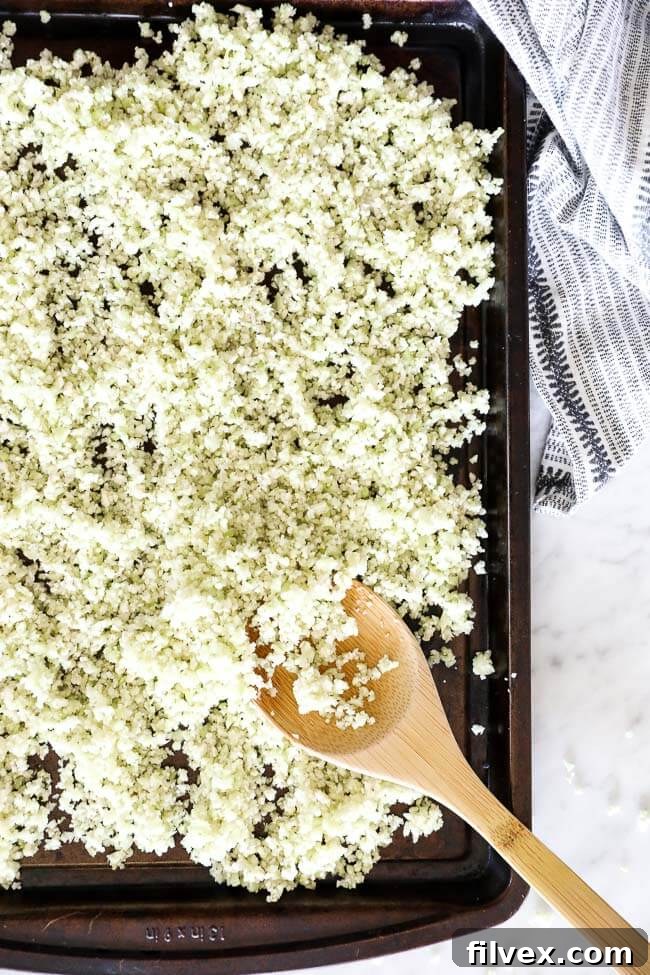
If you crave a slightly different texture – one with a delightful crispness and nutty undertones – then roasting your cauliflower rice on a sheet pan is the way to go. This method allows the individual grains to brown beautifully, developing a more complex flavor profile and a satisfying al dente bite. To roast, simply spread your cauliflower rice evenly across a large baking sheet. Drizzle generously with a high-heat cooking oil, such as avocado oil or olive oil, and season with salt, pepper, and any other desired spices. Toss everything together to ensure an even coating. The key to crispiness is to spread the rice in a single, thin layer to prevent steaming. Roast in a preheated oven at 400°F (200°C) for 10-15 minutes, stirring halfway through the cooking time. Keep a close eye on it, as roasting times can vary. You’re looking for golden-brown edges and a tender yet firm texture. This method is particularly excellent as a side dish, adding texture to salads, or as a base for hearty bowls.
Baked Cauliflower Rice: The Secret to a Tender Base
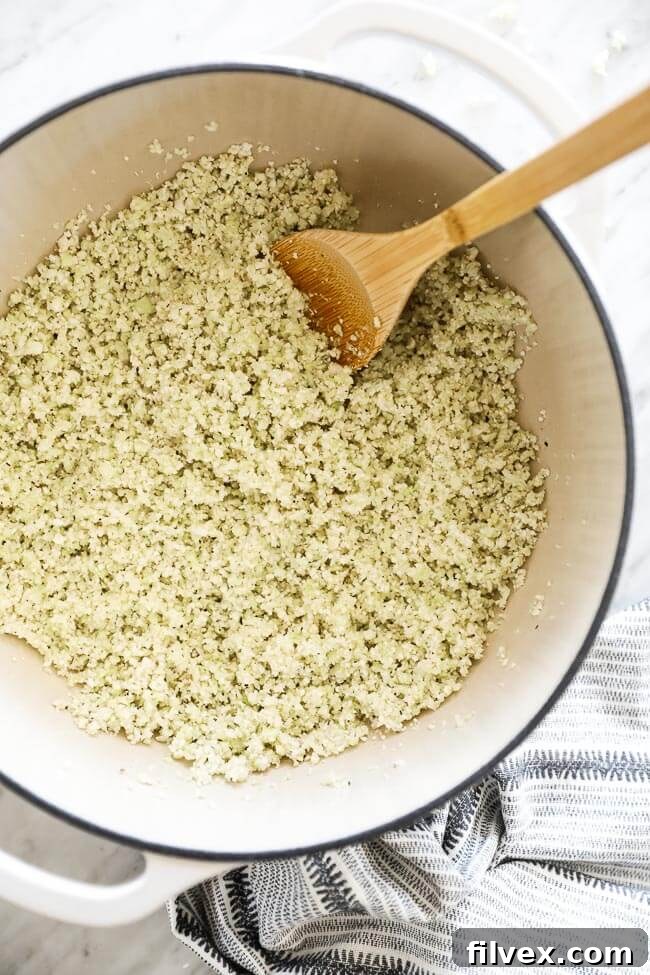
For those seeking a fluffy, tender texture reminiscent of steamed rice, baking cauliflower rice in a covered dish is an excellent choice. This method gently cooks the cauliflower, locking in moisture and resulting in a soft, yielding consistency that’s perfect for absorbing sauces and flavors without becoming mushy. It’s particularly well-suited for dishes where you want the cauliflower rice to act as a soft, comforting base, such as in casseroles or underneath saucy entrées. To prepare, simply combine your cauliflower rice in a baking dish with a tight-fitting lid (a Dutch oven works perfectly, or you can use a casserole dish covered tightly with foil). Drizzle with a little cooking oil, season to your liking, and toss to combine. You might consider adding a splash of vegetable broth or water (about 1-2 tablespoons) to create a steamy environment, though it’s often not strictly necessary as cauliflower releases its own moisture. Bake at 400°F (200°C) for 10-15 minutes, or until the cauliflower is fork-tender. This method ensures a consistently soft and palatable result every time.
Unlocking Rich Flavors: Elevating Your Cauliflower Rice Experience
Just like its grain-based counterpart, cauliflower rice is an incredibly neutral canvas, eager to absorb whatever flavors you introduce to it. The key to avoiding bland cauliflower rice is thoughtful seasoning and smart cooking techniques. Don’t be shy – experiment with various ingredients to transform it from a simple side to a star component of your meal. Here are some of our top tips for infusing your cauliflower rice with maximum flavor:
- Infusing Flavors from Cooking Fats and Proteins: Take advantage of residual flavors! Pan-fry your cauliflower rice in the same pan you just used to cook beef, pork, chicken, or bacon. The savory drippings and browned bits will impart an incredible depth of flavor directly into your rice. This technique is a game-changer for dishes like our chicken burrito bowl recipe, where the cauliflower rice becomes an integral part of the flavor profile.
- The Power of Aromatics: Onions, Garlic, and Beyond: Always start with a base of sautéed aromatics. Cooking finely diced onions and minced garlic in your pan before adding the cauliflower rice creates a foundational layer of flavor that permeates every grain. Consider adding ginger for an Asian-inspired dish, or shallots for a milder, sweeter note. Combine these with salt and freshly ground pepper for a simple yet incredibly delicious side dish.
- Exploring Diverse Cooking Oils and Fats: The type of fat you cook with makes a significant difference. Beyond olive and avocado oil, try rich options like duck fat, bacon fat, or ghee for a savory boost. Coconut oil can add a subtle sweetness and is perfect for Thai or Indian-inspired dishes. Explore infused oils, such as these from Lucini Italia, which offer pre-packaged flavor combinations.
- Mastering the Art of Seasoning Blends: Don’t limit yourself to salt and pepper. Cauliflower rice shines with a variety of spice blends. Think taco seasoning for Mexican flair, curry powder for Indian inspiration, Italian herbs for a Mediterranean touch, or a smoky paprika blend. Our post on 10 easy homemade spice blends offers fantastic ideas to get you started on customizing your flavors.
- Adding Texture and Nutritional Boosts: Incorporate other ingredients during cooking to enhance both texture and nutritional value. Chopped broccoli or other cruciferous veggies, diced bell peppers, mushrooms, peas, corn, or even olives can add visual appeal and a delightful textural contrast. For an extra protein and fiber kick, stir in hemp seeds, sesame seeds, or chopped nuts. Our crispy roasted cauliflower rice recipe is a prime example of adding texture to elevate the dish.
- The Freshness of Herbs: Fresh herbs are a simple yet powerful way to brighten your cauliflower rice. Stir in chopped cilantro, parsley, sage, thyme, or oregano just before serving. Their vibrant flavors provide a refreshing counterpoint and elevate the dish with aromatic complexity.
- Drizzling with Delicious Sauces: A flavorful sauce can transform plain cauliflower rice into a gourmet experience. After cooking, toss your rice with pesto, a homemade peanut sauce, a zesty lemon-tahini dressing, or a vibrant marinara. For fantastic compliant options, explore our 6 Easy Whole30 Sauces post, offering creative, healthy sauce ideas that pair beautifully with cauliflower rice.
Storage and Meal Prep: Keeping Your Cauliflower Rice Fresh
Cauliflower rice is an excellent candidate for meal prep, allowing you to save time during busy weeknights. Proper storage ensures it remains fresh and ready to use.
- Storing Raw Cauliflower Rice: Once riced, fresh cauliflower can be stored in an airtight container in the refrigerator for up to 4-5 days. It’s best to use it sooner rather than later to maintain optimal freshness and texture.
- Freezing Raw Cauliflower Rice: For longer storage, spread raw riced cauliflower in a single layer on a baking sheet and freeze for about an hour until individual grains are frozen solid. Then, transfer to freezer-safe bags or containers. This prevents clumping. It can be stored in the freezer for up to 3 months. There’s no need to thaw before cooking; simply add it directly to a hot pan, increasing cooking time slightly.
- Storing Cooked Cauliflower Rice: Cooked cauliflower rice can be kept in an airtight container in the refrigerator for 3-4 days. Reheat gently on the stovetop or in the microwave. Be cautious not to overcook when reheating, as it can easily become mushy.
Cauliflower Rice in Specific Diets: A Versatile Ingredient
Cauliflower rice has earned its status as a cornerstone ingredient in several popular dietary approaches due to its incredibly low carbohydrate count and rich nutritional profile. Its versatility makes it an ideal substitute for grains, allowing individuals to enjoy their favorite dishes while adhering to strict dietary guidelines.
- Keto Diet: As a minimal-carb vegetable, cauliflower rice is perfect for maintaining ketosis, offering a filling base without impacting blood sugar levels.
- Paleo and Whole30 Diets: Being a whole, unprocessed vegetable, it naturally fits into the strict requirements of Paleo and Whole30, providing a grain-free alternative for compliant meals.
- Gluten-Free Diet: For those with gluten sensitivities or celiac disease, cauliflower rice is a safe and delicious option to replace wheat-based grains.
- Vegan and Vegetarian Diets: It’s a nutrient-dense, plant-based staple that can serve as the foundation for countless vegan and vegetarian meals, boosting vegetable intake.
Inspiring Recipes Featuring Cauliflower Rice
Ready to put your cauliflower rice skills to the test? These recipes demonstrate just how versatile and delicious this ingredient can be, transforming everyday meals into healthier, flavor-packed experiences. From hearty dinners to vibrant bowls, explore new ways to incorporate this amazing vegetable into your cooking repertoire.
- One Pan Greek Chicken Dinner: A flavorful, all-in-one meal where cauliflower rice soaks up delicious Mediterranean spices.
- Easy Taco Casserole: Replace traditional rice or corn with cauliflower rice for a low-carb, family-friendly taco night.
- Instant Pot Jambalaya: Enjoy a lighter version of this classic comfort food, with cauliflower rice adding bulk without the carbs.
- Cilantro Lime Chicken Bowl: A fresh and zesty bowl where cilantro-lime cauliflower rice provides the perfect base.
- Sheet Pan Sesame Beef: An effortless weeknight dinner where the cauliflower rice cooks alongside the beef, absorbing all the savory sauces.
- Homemade Chicken and Broccoli Casserole: A creamy, comforting casserole made healthier with a generous serving of cauliflower rice.
Embrace the Versatility of Cauliflower Rice
From its humble beginnings as a simple vegetable alternative, cauliflower rice has blossomed into a culinary powerhouse, celebrated for its nutritional benefits, ease of preparation, and incredible versatility. Whether you’re a seasoned chef or just starting your low-carb journey, mastering homemade cauliflower rice and its various cooking methods will open up a world of delicious and healthy possibilities. Don’t hesitate to experiment with different seasonings, cooking fats, and complementary ingredients to truly make it your own. We hope this guide inspires you to embrace this fantastic ingredient and elevate your everyday meals. Share your favorite cauliflower rice creations with us and inspire others!