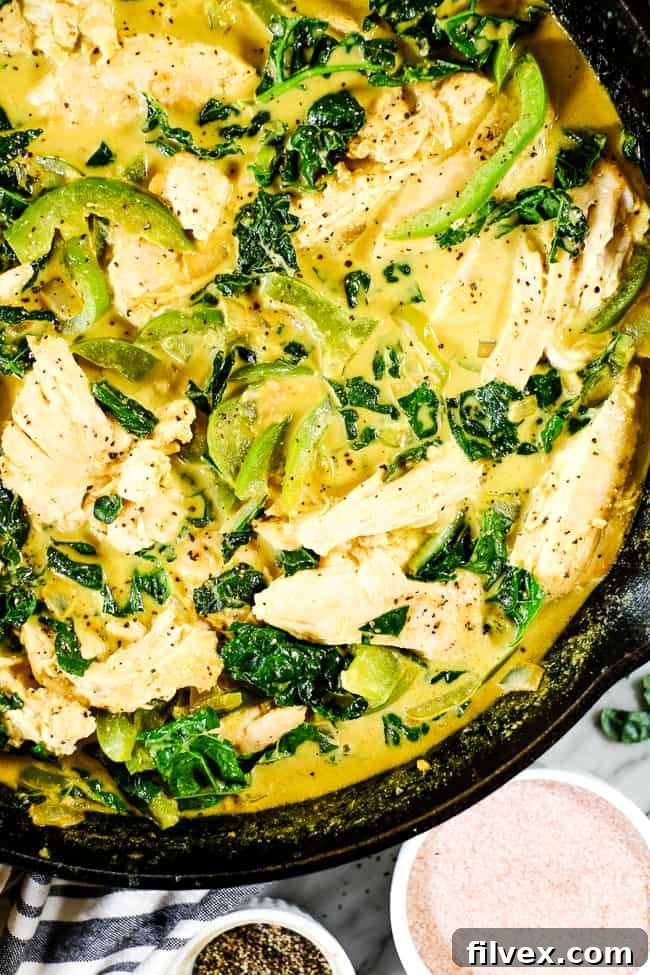
Craving a dish that’s both deeply comforting and perfectly aligned with your health goals? Look no further than this exceptional Thai Coconut Curry. It’s not just a recipe; it’s a culinary staple in our household, appearing on the meal plan time and again because its rich, aromatic flavors never cease to delight. Designed to be compliant with Paleo, Whole30, and Keto dietary principles, this creamy curry offers a guilt-free indulgence that’s entirely dairy-free. Crafted with nutrient-dense bone broth, your choice of vibrant green or red curry paste, a bounty of fresh vegetables, and tender chicken, it’s a wholesome and satisfying meal that effortlessly earns its place as an easy-to-love comfort food.
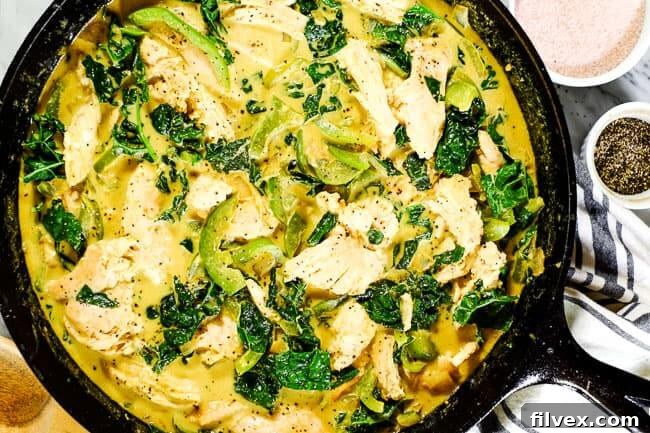
Mastering the Art of Homemade Thai Coconut Curry: A Paleo, Whole30 & Keto Friendly Delight
In the vast world of culinary creations, few dishes can boast the perfect trifecta of being incredibly flavorful, wonderfully comforting, and genuinely healthy. This Thai Coconut Curry is one such masterpiece. It’s a dish we genuinely rely on, a reliable go-to that simplifies meal planning while delivering an explosion of taste. Its dairy-free base, enriched with gut-supporting bone broth, paired with the vibrant notes of authentic Thai curry, fresh vegetables, and lean chicken, creates a symphony of flavors and textures. Whether you’re deeply committed to a Paleo, Whole30, or Keto lifestyle, or simply seeking a delicious and wholesome meal, this recipe offers a fulfilling experience without compromise.
The Culinary Magic of Curry: A World of Flavor and Health
Curry, in its myriad forms, is a cornerstone of global cuisine, revered for its complex flavors and often underestimated health benefits. While “curry powder” typically refers to a blend of spices like turmeric, coriander, cardamom, cumin, ginger, mustard seed, pepper, and cinnamon, its journey extends far beyond a simple shaker in your cabinet. The spices that form the heart of curry blends are not just flavor enhancers; they are powerhouses of medicinal properties. Turmeric, for instance, is celebrated for its potent anti-inflammatory and antioxidant effects, while ginger aids digestion and offers warming spice. By incorporating a rich curry into your diet, you’re not only treating your taste buds but also nourishing your body with a spectrum of beneficial compounds.
Unlike curry powder, which is a dry spice blend, Thai curry paste offers a more intensely aromatic and fresh flavor profile. It combines fresh herbs and spices such as lemongrass, galangal, kaffir lime zest, chilis, and garlic, ground into a concentrated paste. This paste is what gives our Thai Coconut Curry its authentic and vibrant character, making it a more dynamic and deeply flavored dish than one made with just dry curry powder. The depth and complexity derived from these fresh ingredients are what truly elevate this curry from good to unforgettable.
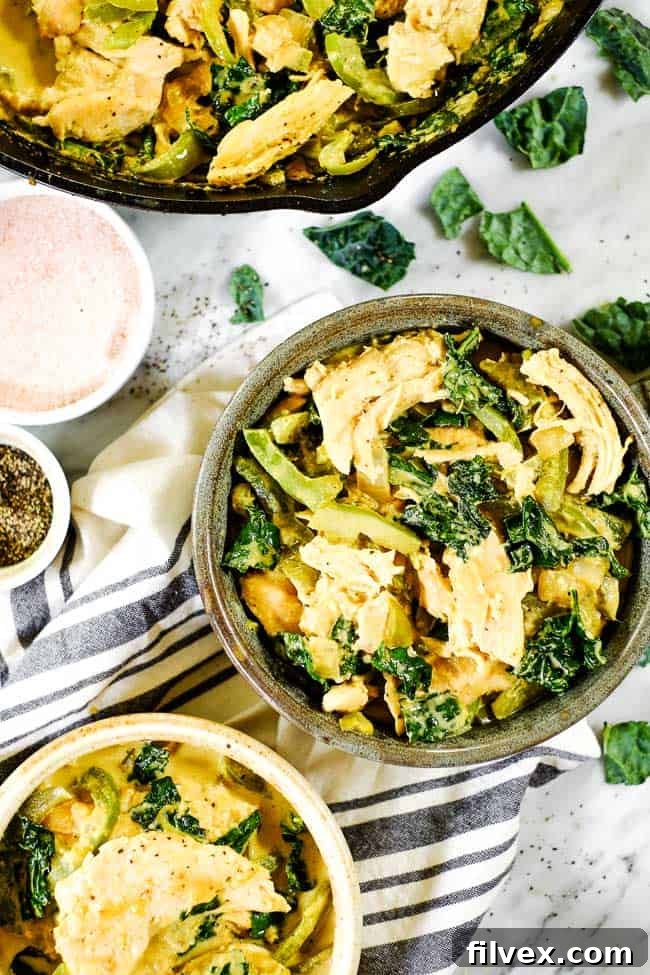
Choosing Your Path: Green vs. Red Thai Curry Paste
The choice between green and red curry paste can significantly influence the flavor and heat of your Thai Coconut Curry. Both offer distinct culinary experiences, allowing for delicious customization. Red curry paste, often made with dried red chilies, typically presents a bolder, spicier kick and a richer, sometimes slightly sweeter profile. It’s known for its robust character and ability to impart a beautiful, deep color to the curry. If you appreciate a warmer, more intense heat and a traditional Thai restaurant-style flavor, red curry paste is an excellent choice.
Green curry paste, conversely, derives its color from fresh green chilies and an array of green herbs like cilantro and kaffir lime. It tends to be fresher, brighter, and often more aromatic, though it can still pack a considerable punch in terms of heat. For those adhering to a Whole30 diet, finding a compliant green curry paste can be a bit more challenging, as many commercial brands contain added sugars, soy, or other non-compliant ingredients. We’ve found that specific brands, such as Thai and True Green Curry Paste, are generally cleaner and more suitable for strict dietary protocols. For red curry, options like Thai Kitchen Red Curry Paste often meet the necessary standards. Always be diligent about checking ingredient labels to ensure your chosen paste aligns with your dietary needs.
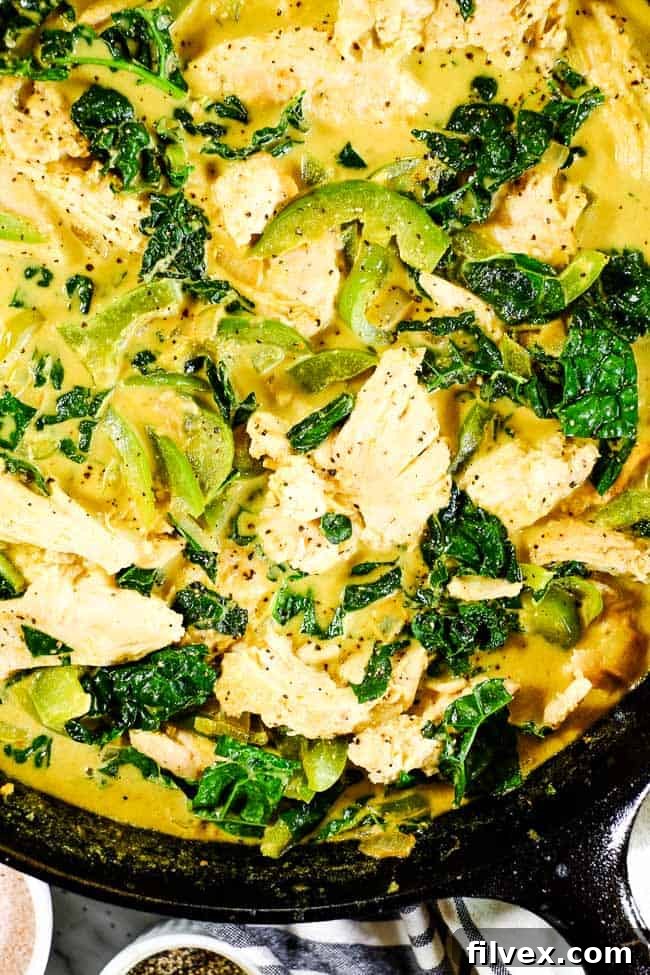
Building Your Bowl: The Heart of Our Thai Coconut Curry
The magic of this Thai Coconut Curry lies in its thoughtfully selected ingredients, each playing a vital role in creating a balanced, nutritious, and incredibly flavorful meal. At its core, we use lean chicken breasts, which provide an excellent source of protein, essential for muscle repair and satiety. Pounding the chicken breasts to an even thickness ensures they cook uniformly and remain tender, absorbing the rich flavors of the curry sauce.
The liquid base is where much of the health and flavor come from. Bone broth, a cherished ingredient in many healthy eating communities, contributes not just depth of flavor but also beneficial collagen and amino acids, supporting gut health and joint function. Paired with full-fat coconut milk, it creates a luxuriously creamy and dairy-free sauce that is both indulgent and compliant. The healthy fats in coconut milk also aid in nutrient absorption and provide sustained energy, making this curry a truly nourishing option.
No Thai curry is complete without its aromatic foundation and vibrant vegetables. Freshly diced onion, minced garlic, and grated ginger form a pungent and fragrant base that awakens the palate. These aromatics are gently sautéed to release their essential oils, building layers of flavor. Bell peppers, sliced into thin strips, add a sweet crunch and a burst of color, while Tuscan kale, roughly chopped, wilts beautifully into the sauce, providing a boost of vitamins, minerals, and antioxidants. This combination of protein, healthy fats, and nutrient-dense vegetables makes every spoonful of this Thai Coconut Curry a celebration of wholesome goodness.
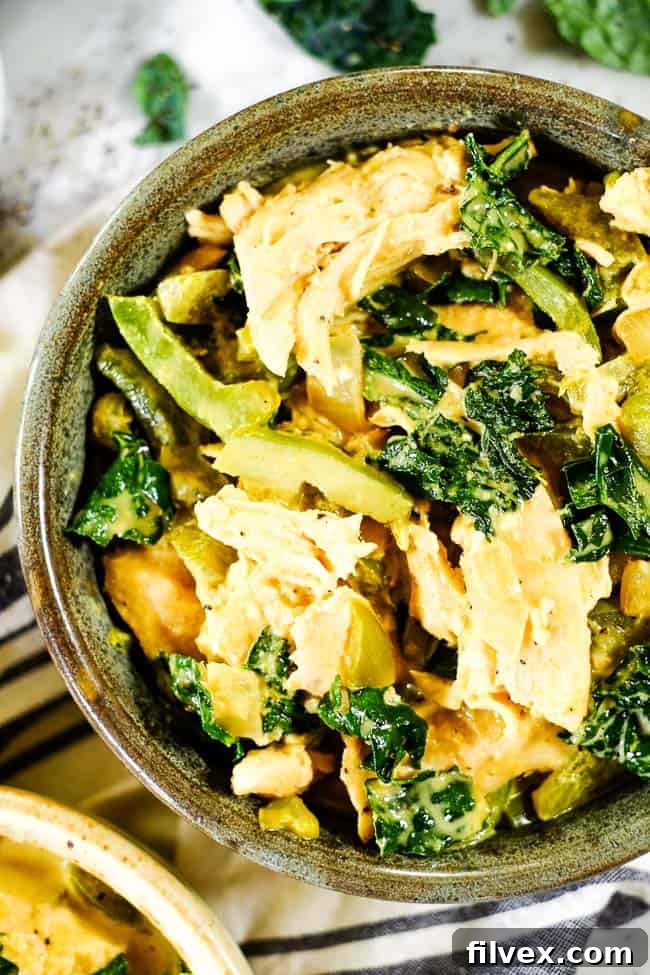
Crafting Perfection: A Detailed Guide to Making Thai Coconut Curry
Creating this Thai Coconut Curry is a straightforward process, but paying attention to each step ensures maximum flavor and perfect texture. Begin by preparing all your vegetables: dice the onion, mince the garlic, grate the fresh ginger, slice the bell peppers, and chop the kale. This mise en place makes the cooking flow smoothly. Next, prepare your chicken breasts. Pounding them between parchment paper to an even thickness is crucial for even cooking, preventing dry spots, and ensuring they remain tender. Season them generously with salt and pepper.
In a large skillet, heat avocado oil over medium heat. Avocado oil is ideal for its high smoke point and neutral flavor, though coconut oil also works beautifully and enhances the tropical notes of the dish. Sear the chicken for 3-4 minutes per side, developing a beautiful brown crust. This browning adds depth of flavor, a process known as the Maillard reaction, which is key to a rich tasting curry. Remove the chicken and set it aside to rest.
Lower the heat to medium and add the onion and bell peppers to the same skillet, adding a little more oil if needed. Sauté them, stirring frequently, until they begin to soften, usually 3-4 minutes. While the vegetables are cooking, use two forks or tongs to break the seared chicken into smaller, bite-sized chunks. This makes it easier to incorporate into the curry later. Add the minced garlic and grated ginger to the skillet, cooking for just 1-2 minutes until fragrant; be careful not to burn the garlic. Stir in the curry paste, allowing it to cook for a minute, which helps bloom the spices and deepen their flavor. Finally, pour in the coconut vinegar, chicken broth, and coconut milk, scraping up any browned bits from the bottom of the pan—these are packed with flavor. Return the chicken chunks to the skillet, cover, and simmer on low heat for 3-5 minutes, ensuring the chicken is fully cooked through and has absorbed the rich curry flavors. Just before serving, stir in the chopped kale and cook for another 1-2 minutes until it’s perfectly wilted. Serve this luscious curry over your choice of rice, generously spooning extra sauce over each serving.
Versatile Servings and Customizations for Every Preference
While this Thai Coconut Curry is undeniably delicious enjoyed simply on its own, its versatility truly shines when paired with thoughtful accompaniments. The most popular serving suggestion, especially for those following Whole30, is over a bed of fluffy cauliflower rice. Cauliflower rice perfectly absorbs the rich sauce, providing a light, low-carb base that complements the curry without overpowering it. For Keto enthusiasts, cauliflower rice is also the ideal choice, or you can opt to enjoy the curry as a stand-alone dish, omitting any starchy base entirely. If you’re not strictly adhering to these diets, plain white rice offers a classic pairing, providing a comforting counterpoint to the curry’s bold flavors.
Beyond rice, consider serving this curry alongside your favorite roasted vegetables. Broccoli, sweet potatoes (for Paleo/Whole30, omit for Keto), or asparagus can be roasted until tender-crisp and then spooned with the creamy curry. A particularly delightful and creative serving option is to stuff a roasted delicata or acorn squash with this Thai coconut curry. The natural sweetness of the squash beautifully balances the savory and spicy notes of the curry, creating an impressive and hearty meal. Garnishes like fresh cilantro, a squeeze of lime juice, or a sprinkle of toasted coconut flakes can further elevate the dish. Don’t hesitate to experiment with different vegetables or even proteins like shrimp or firm tofu if you’re looking for variations. This curry is designed to be adaptable to your pantry and preferences.
The Joys of Leftovers and Effortless Meal Prep
One of the many benefits of this Thai Coconut Curry is how wonderfully it lends itself to meal preparation and makes for fantastic leftovers. The flavors tend to meld and deepen overnight, often tasting even better the next day. This makes it an ideal candidate for batch cooking at the beginning of the week. Simply prepare a larger portion, and you’ll have delicious, healthy meals ready to go for several days.
Store any leftover curry in airtight containers in the refrigerator for up to 3-4 days. When reheating, a gentle warm-up on the stovetop over low to medium heat is recommended to preserve the creamy texture of the sauce and prevent the chicken from drying out. You can also microwave individual portions, stirring occasionally to ensure even heating. This makes it a perfect solution for quick and easy lunches or a hassle-free dinner on busy weeknights, ensuring you always have a wholesome and satisfying meal within reach.
More Cozy Comfort Food Recipes to Explore
If you’ve fallen in love with the comforting warmth of this Thai Coconut Curry, you’re in for a treat! We have an array of other cozy and nourishing recipes that promise to bring warmth and satisfaction to your table. From hearty casseroles to vibrant bowls, each recipe is crafted with flavor and wholesome ingredients in mind, perfectly fitting a healthy lifestyle.
- EASY CURRY BEEF BOWLS
- CREAMY GARLIC SPAGHETTI SQUASH CASSEROLE
- RED CURRY SQUASH CHICKEN BOWLS
- HEALTHY CHICKEN + BROCCOLI CASSEROLE
- KOREAN BEEF BOWL
- PALEO ENCHILADA CASSEROLE
- CREAMY BACON RANCH CHICKEN CASSEROLE
- BBQ CHICKEN CASSEROLE
- LOADED CAULIFLOWER CASSEROLE
Your Culinary Journey with Our Thai Coconut Curry Begins Now
Whether you’re an experienced connoisseur of Thai flavors or just starting to explore the vibrant world of curries, this Paleo, Whole30, and Keto Thai Coconut Curry is an absolute must-try. It’s designed to be approachable for home cooks yet delivers a gourmet experience that rivals your favorite take-out. We’re confident that once you taste the rich, creamy, and perfectly spiced goodness of this dish, it will quickly become a cherished recipe in your repertoire, just as it has in ours. The ease of preparation, combined with the incredible flavor and health benefits, makes it an irresistible choice for any night of the week.
We absolutely love hearing from you and seeing your culinary creations! So, when you try this recipe, please don’t hesitate to leave a comment below and share your thoughts. Did you opt for green or red curry paste? What did you serve it with? Your feedback not only brightens our day but also helps others in our community discover new ways to enjoy healthy and delicious food. And of course, if you snap a beautiful picture of your finished Thai Coconut Curry, we’d be thrilled if you shared it on Instagram! Tag us @realsimplegood, and use the hashtag #realsimplegood. If you haven’t already, give us a follow – we’d love to stay connected and continue sharing inspiring recipes and healthy living tips!
LIKE THIS RECIPE? SHARE IT NOW OR PIN IT FOR LATER!
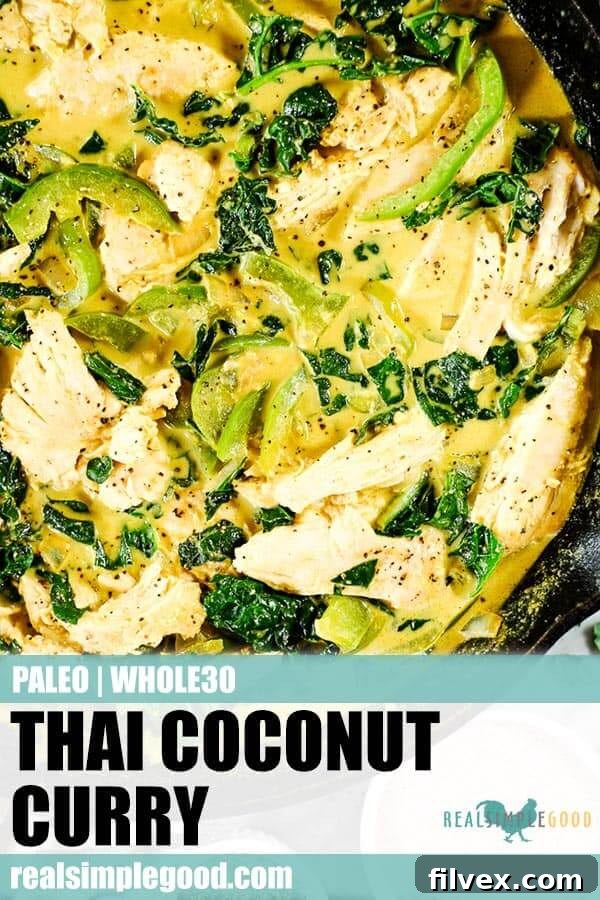
Get the Recipe:
Thai Coconut Curry (Paleo, Whole30 + Keto)
Prep: 15 mins
Cook: 25 mins
Total: 40 mins
Servings: 6
This Paleo, Whole30 + Keto Thai coconut curry is dairy-free, made with bone broth, curry paste, veggies and chicken. It’s easy comfort food!
Pin Recipe
Leave a Review
Ingredients
Main Ingredients:
- 1 onion, diced
- 4 cloves garlic, minced
- 1 tbsp fresh ginger, grated on a microplane
- 2 bell peppers, sliced into thin strips
- 3 cups tuscan kale, roughly chopped
- 3 chicken breasts
- 2 tbsp avocado oil (or coconut oil)
- 2.5 tbsp green or red curry paste (double check ingredients for Whole30)
- 2 tbsp coconut vinegar (or sub white vinegar)
- 1/4 cup chicken broth
- 1.5 cups coconut milk
- Salt and pepper
For serving:
- 6 cups cauliflower rice (or white rice – cauli only for Whole30 – omit for Keto)
- 1 tbsp avocado oil
- Salt and pepper
Instructions
- Prep onion, garlic, ginger, bell peppers and kale as noted.
- Place the chicken breasts between two pieces of parchment paper and pound them down to make them even in thickness. Sprinkle each side of the chicken with salt and pepper.
- Heat a large skillet over medium heat and add avocado oil.
- Once hot, add the chicken to the pan (you may have to cook the chicken in 2 batches depending on the size of your pan). Cook, without disturbing for 3-4 minutes, until a nice brown crust has formed. Flip and cook another 3-4 minutes on the other side, until the chicken is mostly cooked through.
- Remove chicken from the skillet and set aside. Lower the heat to medium.
- Add more oil if needed and add the onion and bell peppers to the pan. Cook, stirring frequently, for 3-4 minutes, until they begin to soften.
- While the onions and peppers cook, break the chicken into smaller chunks using forks or tongs.
- Add the garlic and cook for 1-2 minutes, stirring constantly.
- Add the curry paste and stir for 1 minute to mix well.
- Add vinegar, chicken broth, coconut milk and ginger to the pan. Stir to mix, scraping up any browned bits remaining in the pan.
- Add the chicken breast chunks back to the skillet with the sauce. Cover and turn heat down to low. Simmer for 3-5 minutes, or until the chicken is fully cooked.
- While the chicken is simmering, prepare the cauliflower rice.
- Heat a large skillet over medium heat and add avocado oil. Once hot, add cauliflower rice and simmer, stirring frequently, for 4-5 minutes or until tender. Season with salt and pepper to taste.
- Add in the kale with the chicken just before serving and cook for another 1-2 minutes, until wilted.
- Serve chicken over cauliflower rice and spoon some sauce over everything for serving.
Last Step:
Please leave a star rating and comment to let us know how you liked this recipe! Your ratings and reviews help our business grow, thank you!
Notes
Nutrition facts are an estimate provided for those following a Ketogenic or low-carb diet and do not include cauliflower rice for this recipe. See our full nutrition information disclosure here.
Nutrition Facts (per serving, without cauliflower rice)
Calories: 334kcal, Carbohydrates: 7g, Protein: 26g, Fat: 22g, Saturated Fat: 12g, Fiber: 1g
Course: Main Course
Author: Justin + Erica Winn
Cuisine: Thai
Did you make this recipe? Tag @realsimplegood with hashtag #realsimplegood on Instagram. We love to see what you make!