
Baking Bliss: Crafting the Perfect Gluten-Free Lemon Poppy Seed Muffins
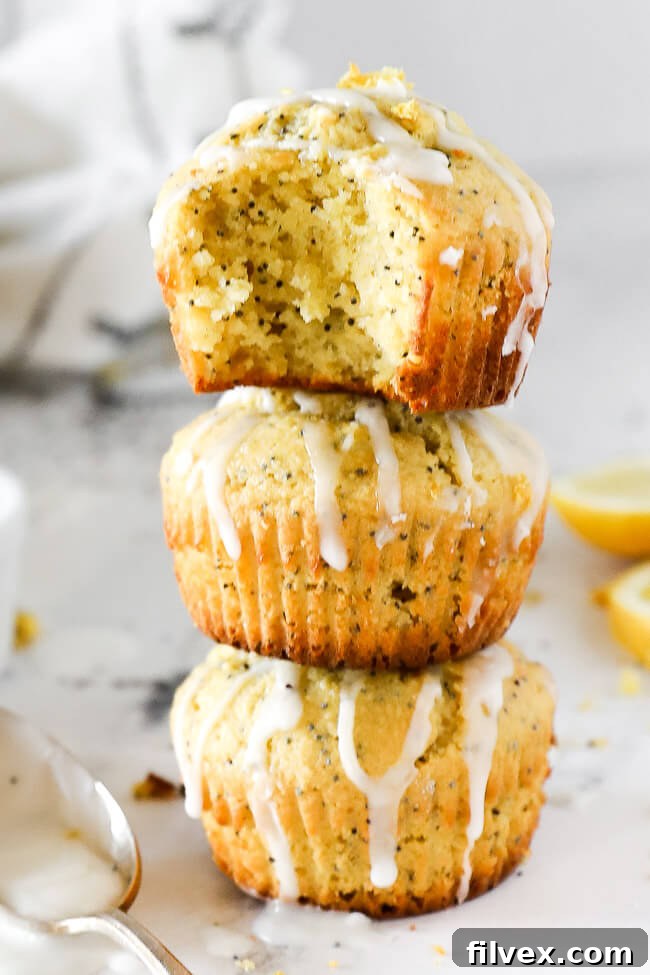
Welcome to your new favorite recipe! These delightful gluten-free lemon poppy seed muffins are not just incredibly easy to make, requiring just one bowl and about 35 minutes from start to finish, but they are also bursting with zesty lemon flavor and a wonderful, light texture. Perfect for breakfast, a midday snack, or a sweet treat with your coffee, these muffins are a crowd-plepleaser. We’ve perfected this recipe to ensure it’s not only gluten-free but also offers simple adjustments for those following a vegan diet. Get ready to impress your taste buds and loved ones with these bright, fluffy, and utterly irresistible muffins!
The Best Gluten-Free Flours for Your Muffins
Achieving that coveted light and airy muffin texture while baking gluten-free can be a challenge, but with the right blend of flours, it’s entirely possible. For these lemon poppy seed muffins, we swear by a combination of blanched almond flour and tapioca flour. This dynamic duo works synergistically to deliver muffins that are moist, tender, and structurally sound.
Blanched Almond Flour: The Secret to Fluffiness and Color
When selecting almond flour, the term “blanched” is crucial. Blanched almond flour is made from almonds that have had their skins removed before being ground into a fine powder. This is distinct from almond meal, which includes the skins and has a coarser texture. Here’s why blanched almond flour is superior for this recipe:
- Finer and Lighter Texture: The absence of almond skins results in a much finer flour. This contributes to a lighter, more delicate crumb in your muffins, making them incredibly fluffy and pleasant to eat. Almond meal, on the other hand, can lead to a denser, heavier muffin.
- Vibrant Lemon-Yellow Hue: Blanched almond flour helps maintain the bright, appealing yellow color we associate with lemon treats. If you were to use almond meal, the dark flecks of almond skin would lend a brownish tint to your muffins, affecting their visual appeal.
- Neutral Flavor Profile: Blanched almond flour has a more neutral flavor compared to almond meal, allowing the vibrant lemon and subtle poppy seed flavors to shine through without competition.
Tapioca Flour: The Essential Binder and Texture Enhancer
Tapioca flour, also known as tapioca starch, plays a vital role in gluten-free baking. Derived from the cassava root, it acts as a binder and thickener, mimicking some of the elastic properties that gluten provides in traditional flours. In these muffins, tapioca flour helps:
- Improve Structure and Chewy Texture: It provides a slight chewiness and helps the muffins hold their shape, preventing them from crumbling easily. This is particularly important for gluten-free baked goods, which can sometimes be fragile.
- Moisture Retention: Tapioca flour contributes to the muffins’ moisture content, keeping them soft and fresh for longer.
- Lightness: Despite its binding properties, tapioca flour also adds a desirable lightness to the final product, complementing the almond flour beautifully.
If tapioca flour isn’t available, arrowroot flour (or arrowroot starch) can be used as a suitable substitute, offering similar binding and thickening qualities.
Exploring Other Gluten-Free Flour Options
While almond and tapioca are our top picks for this recipe, the world of gluten-free baking is vast. Understanding different flours can help you adapt other recipes or experiment:
- Oat Flour: A nutritious whole-grain option that adds a hearty texture and slight sweetness. Ensure it’s certified gluten-free if you have a sensitivity.
- Cassava Flour: A versatile, grain-free flour that can sometimes be used as a 1:1 substitute for wheat flour in certain recipes, offering a soft texture.
- Coconut Flour: Highly absorbent and rich in fiber, coconut flour requires significant moisture. It imparts a distinct flavor and works best in smaller quantities, often blended with other flours.
- Rice Flour (Brown or White): Common in GF blends, rice flours provide structure but can sometimes result in a grainy texture if not combined with starches.
For optimal results in gluten-free baking, it’s often best to use a blend of flours, combining a protein-rich flour (like almond) with a starch (like tapioca) to achieve balance in texture, structure, and moisture.
Options for Making These Lemon Poppy Seed Muffins Vegan Friendly
This lemon poppy seed muffin recipe is wonderfully adaptable, making it easy to create a delicious vegan version without compromising on flavor or texture. While the overall deliciousness remains, it’s worth noting that the vegan muffins might have a slightly browner hue compared to their egg and ghee counterparts. This is a small trade-off for a truly inclusive and delightful treat!
Here are the simple, yet effective, swaps you can make to transform these muffins into a vegan-friendly delight:
- Eggs ⇒ Use 3 Flax Eggs: Eggs typically provide binding, moisture, and leavening. A “flax egg” is an excellent vegan substitute, made by combining ground flaxseed meal with water. For each egg, mix 1 tablespoon of ground flaxseed meal with 3 tablespoons of water and let it sit for 5-10 minutes until it forms a gel-like consistency. This creates a powerful binder that helps hold your muffins together and contributes to a good texture.
- Honey ⇒ Use 1/3 cup Maple Syrup: Honey provides sweetness and moisture. To keep it vegan, simply replace the raw honey with an equal amount of pure maple syrup. Maple syrup not only offers a rich, warm sweetness but also maintains the necessary liquid content for the batter. Agave nectar is another viable alternative if you prefer.
- Ghee ⇒ Use 1/3 cup Coconut Oil: Ghee is clarified butter, and thus not vegan. Coconut oil is a fantastic plant-based alternative that works beautifully in baking. When melted, it behaves similarly to liquid fats. Ensure your coconut oil is melted but not hot when adding it to the batter. Vegan butter alternatives are also an option if you prefer a different flavor profile or texture.
By making these straightforward substitutions, you can enjoy all the vibrant lemon and poppy seed goodness in a completely plant-based format. The slight difference in color is a minor aesthetic change, as the flavor and delightful texture will still shine through, proving that vegan baking can be just as satisfying and delicious.


Gluten Free Lemon Poppy Seed Muffins
15
20
35
12 muffins
Pin Recipe
Leave a Review
Ingredients
- 2.25 cups blanched almond flour
- 1/4 cup tapioca flour, (or arrowroot flour)
- 1 tsp paleo baking powder
- 1/4 tsp sea salt
- 3 eggs
- 1/3 cup raw honey, melted
- 1 tbsp lemon zest
- 1/3 cup lemon juice, (about 2 large lemons)
- 1/3 cup coconut oil, melted, (or ghee)
- 2 tsp vanilla extract
- 2 tbsp poppy seeds
Optional topping:
- 1/2 cup powdered maple sugar, (Pulse maple sugar in a high-powered blender or food processor until powdery. Coconut sugar works or regular powdered sugar.)
- 1 tbsp lemon juice, (about 1/2 a lemon)
Instructions
-
Preheat oven to 350° Fahrenheit (175°C) and line a muffin pan with parchment liners.
-
In a large mixing bowl, whisk together the almond flour, tapioca flour, baking powder, and sea salt. Ensure there are no clumps. Create a well in the center of the dry flour mixture.
-
Add the eggs, melted honey, lemon zest, lemon juice, melted coconut oil, and vanilla extract into the well. Whisk the wet ingredients together first, then gently combine them with the dry ingredients until a smooth batter forms. Finally, fold in the poppy seeds.
-
Scoop the batter evenly into the lined muffin tin, filling each liner about two-thirds full. Transfer the muffin tin to the preheated oven. Bake for approximately 20 minutes, or until a toothpick inserted into the center of a muffin comes out clean.
-
While the muffins cool in the pan, prepare the optional lemon glaze if you choose to use it. In a small bowl, whisk together the powdered maple sugar and lemon juice until smooth. Adjust the consistency by adding more sugar for a thicker glaze or more lemon juice for a thinner one.
-
Once the muffins have cooled completely, drizzle them generously with the lemon glaze. Serve immediately and enjoy! Store any leftover muffins in an airtight container on the counter for up to 2-3 days, or in the fridge for longer freshness.
Last Step:
Please leave a star rating and comment to let us know how you liked this recipe! Your ratings and reviews help our business grow, thank you!
Breakfast, Dessert, Snack
Erica Winn
American
Did you make this recipe?
Tag @realsimplegood with hashtag #realsimplegood on Instagram. We love to see what you make!
Tips for Baking Perfect Gluten-Free Muffins
Baking gluten-free requires a slightly different approach than traditional baking, but with a few key tips, you’ll achieve perfect results every time. These insights are especially helpful for light and fluffy muffins:
- Measure Flours Accurately: Gluten-free flours can be tricky. For best results, weigh your flours using a kitchen scale rather than relying solely on volume measurements (cups). If you don’t have a scale, spoon the flour into the measuring cup and level it off with a straight edge, rather than scooping directly from the bag, which can compact the flour.
- Don’t Overmix the Batter: Overmixing develops gluten in traditional baking, but even with gluten-free flours, it can lead to tough muffins. Mix just until the wet and dry ingredients are combined and no dry streaks remain. A few small lumps are perfectly fine!
- Room Temperature Ingredients: Ensure your eggs (if using) and any other dairy-free milks or oils are at room temperature. This helps them emulsify better with the other ingredients, creating a smoother, more uniform batter and a better texture in the final product.
- Proper Leavening: Baking powder is crucial for rise. Make sure yours is fresh for optimal lift. If you’re using paleo baking powder as suggested, ensure it’s specifically formulated for gluten-free baking.
- Preheat Your Oven Thoroughly: A properly preheated oven ensures that the muffins begin baking immediately at the correct temperature, leading to a good rise and even cooking.
- Cool Muffins Completely Before Glazing: If you’re adding the optional lemon glaze, allow the muffins to cool completely on a wire rack first. Glazing hot muffins will cause the glaze to melt and run off, rather than setting nicely.
Storage and Serving Suggestions
Once you’ve baked a batch of these glorious gluten-free lemon poppy seed muffins, you’ll want to ensure they stay fresh and delicious. Proper storage is key:
- Countertop Storage: Store cooled muffins in an airtight container at room temperature for up to 2-3 days. If they are glazed, placing a paper towel at the bottom of the container can help absorb any excess moisture and prevent sogginess.
- Refrigeration: For longer storage, especially in warmer climates or if your home is humid, transfer the airtight container to the refrigerator. They will stay fresh for up to a week. You can gently warm them in the microwave for a few seconds before serving to restore their soft texture.
- Freezing for Later: These muffins freeze beautifully! Once completely cooled, place them in a single layer on a baking sheet and freeze until solid (about 1-2 hours). Then, transfer the frozen muffins to a freezer-safe bag or container. They can be stored in the freezer for up to 3 months. Thaw at room temperature or warm briefly in the oven or microwave.
Serving Ideas:
- Enjoy them as a quick and satisfying breakfast with a cup of coffee or tea.
- Pack them as a delightful treat in lunchboxes for school or work.
- Serve them alongside a fresh fruit salad for a light brunch.
- Offer them as an elegant dessert after a meal, perhaps with a dollop of coconut whipped cream.
Why You’ll Love These Gluten-Free Lemon Poppy Seed Muffins
Beyond being incredibly delicious, these muffins offer several compelling reasons to become a staple in your recipe collection:
- Naturally Gluten-Free: Perfect for individuals with celiac disease, gluten sensitivity, or those simply choosing a gluten-free lifestyle.
- Flavorful and Zesty: The combination of fresh lemon zest and juice creates a bright, tangy flavor that beautifully complements the subtle nutty notes of the almond flour and the slight crunch of poppy seeds.
- Customizable: Easily adapted to be vegan, catering to a wider range of dietary needs and preferences.
- Simple & Quick: A one-bowl recipe means less cleanup, and with only 35 minutes from start to finish, they’re perfect for busy schedules.
- Wholesome Ingredients: Made with real, unprocessed ingredients like blanched almond flour, fresh lemons, and natural sweeteners, making them a more wholesome treat.
- Satisfying Texture: The blend of almond and tapioca flours ensures a fluffy, tender crumb that rivals traditional wheat-based muffins.
Whether you’re new to gluten-free baking or a seasoned pro, this recipe for lemon poppy seed muffins is designed for success and pure enjoyment. It’s a testament to how flavorful and satisfying gluten-free treats can be without compromising on taste or texture. So, gather your ingredients, preheat your oven, and prepare to fall in love with these delightful muffins!

Like this Recipe?
SHARE IT NOW OR PIN IT FOR LATER!
Share this recipe with your friends!