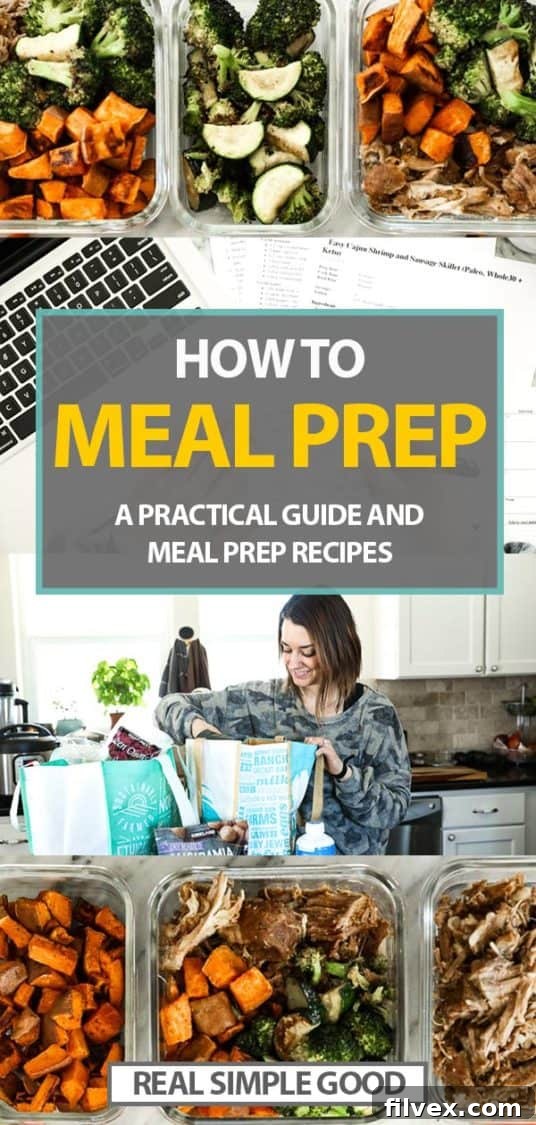
Are you ready to transform your approach to healthy eating, save precious time, and reduce daily stress in the kitchen? If you’ve been pondering the powerful benefits of meal prepping but feel overwhelmed by where to begin, this comprehensive guide is precisely what you need. We’ll demystify the art of meal prep, proving it doesn’t have to be a daunting chore. With our expert tips, practical tricks, and invaluable tools, you’ll swiftly master the techniques to start meal prepping like a seasoned pro, making nutritious meals a seamless part of your lifestyle.
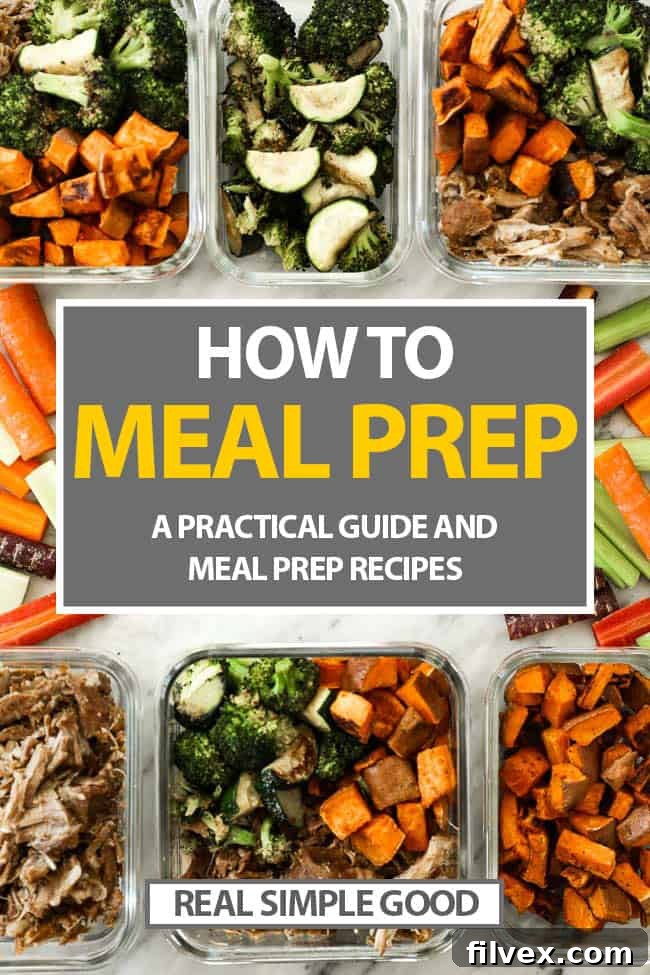
The Undeniable Benefits of Meal Prepping
Before we dive into the practical steps of how to meal prep, let’s explore the compelling advantages that await you once you embrace this transformative habit. Meal prepping isn’t just about food; it’s about reclaiming your time, saving money, and empowering your health goals.
- Significant Time Savings: Imagine your weekdays without the frantic rush of figuring out what to cook. By dedicating a few hours to planning and prepping, you free up countless minutes during your busy week. This means more time for family, hobbies, relaxation, or simply enjoying your evenings without kitchen stress.
- Reduced Mealtime Stress: Bid farewell to the dreaded “what’s for dinner?” dilemma. With meals planned and ingredients prepped, the mental load around food decisions vanishes. You’ll enjoy a calmer, more organized approach to eating, knowing wholesome options are always within reach.
- Remarkable Cost Savings: Impulsive takeout orders and wasted groceries can quickly drain your budget. Meal planning leads to more intentional grocery shopping, fewer last-minute restaurant visits, and significantly less food waste. You buy only what you need, use what you buy, and watch your savings grow.
- Boosted Kitchen Confidence: Meal prepping is a journey of culinary discovery. You’ll learn efficient food preparation and storage techniques, experiment with diverse recipes, and gain mastery over your kitchen. Soon, you’ll be amazing friends and family with your culinary prowess, effortlessly whipping up delicious and healthy meals.
- Health and Wellness Enhancement: Perhaps one of the most impactful benefits, meal prepping empowers you to make healthier food choices. By having nutritious meals readily available, you’re less likely to opt for unhealthy, convenient alternatives. This consistency supports weight management, boosts energy levels, and contributes to overall well-being.
Quick Links Within This Comprehensive Guide
Navigate this detailed meal prep guide with ease using the links below:
- PRINTABLE DOWNLOAD – Essential Meal Prep Recipes and Shopping List
- PRINTABLE DOWNLOAD – Customizable Weekly Meal Plan Template
- Step 1 – Understanding Your Meal Prep Level
- Step 2 – Crafting Your Strategic Meal Plan
- Expert Meal Planning Tips
- Step 3 – Executing Your Meal Prep Plan with Precision
- Efficient Prepping Strategies
- Smart Batch Cooking Tips
Are you fully prepared to embark on your meal prepping journey, planning and preparing a week’s worth of delicious, wholesome meals? Excellent! Let’s get started and transform your kitchen habits.
How to Meal Prep Step 1: Discover Your Ideal Level of Commitment
This foundational step is crucial for long-term success. Many beginners jump in too deep, get overwhelmed, and abandon meal prep altogether. To truly reap the benefits, you must identify a meal prep approach that aligns with your lifestyle, time constraints, and comfort level. We’ve broken down meal prep into five distinct levels, forming a progressive journey from beginner to advanced:
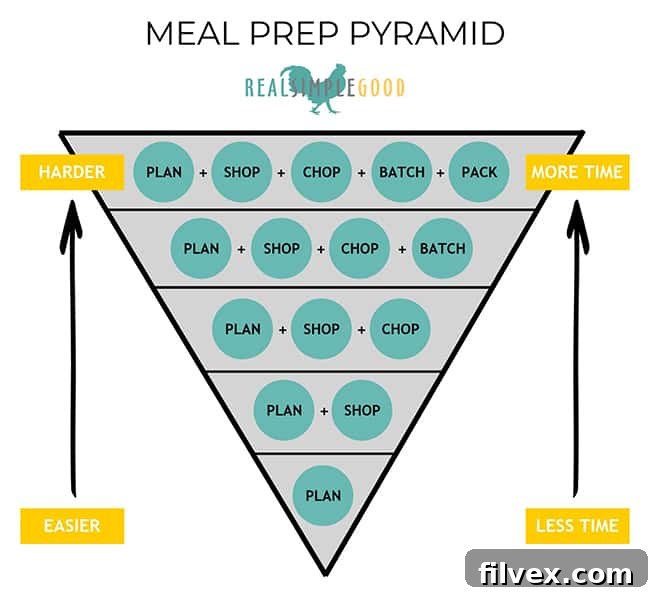
- Level 1: Plan Only – This is the bedrock of all successful meal prepping. Simply taking the time to outline what you intend to eat for the week – even if you don’t prep anything in advance – is the crucial first stride. It helps you visualize your week’s meals and identify potential gaps.
- Level 2: Plan + Shop – Building on the foundation, this level involves creating a detailed meal plan, generating a comprehensive grocery list based on that plan, and completing your weekly shopping. Having all your ingredients on hand sets the stage for a smooth, less stressful cooking week.
- Level 3: Plan + Shop + Chop – At this stage, you introduce ingredient preparation. In addition to planning and shopping, you dedicate time to chopping vegetables, pre-making sauces, marinating meats, or preparing grains (like quinoa or rice) that will be used in your recipes throughout the week. This significantly reduces active cooking time on busy weeknights.
- Level 4: Plan + Shop + Chop + Batch – This level takes efficiency up a notch. Beyond planning, shopping, and chopping, you also batch cook certain components or base ingredients. This could involve making a large slow-cooker roast, roasting a big tray of versatile vegetables, preparing a hearty salad, or cooking a side dish that can be incorporated into multiple meals.
- Level 5: Plan + Shop + Chop + Batch + Pack – This is the ultimate level of meal prep, often referred to as “full meal prep” or “meal boxing.” Here, you not only plan, shop, chop, and batch cook but also assemble one or more entire meals into individual, ready-to-eat containers. These are perfect for grab-and-go breakfasts, lunches, or quick dinners, requiring only reheating.
When you’re deciding how deeply to commit to meal prep, we strongly recommend starting small and mastering the basics before gradually advancing. Don’t overwhelm yourself by attempting Level 5 on your first try. Begin with Level 1 or 2, get comfortable, and then slowly integrate more components as you gain confidence. The goal is to build a sustainable habit, not to burn out. Once you’ve chosen your starting level, move on to Step 2: crafting your plan.
How to Meal Prep Step 2: Strategically Make Your Plan
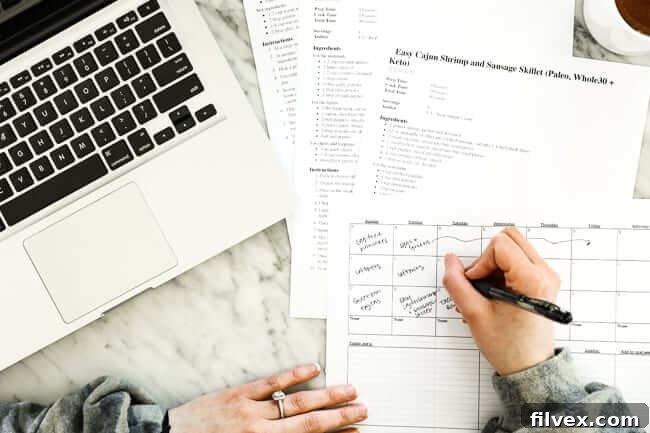
Effective meal prep is impossible without a solid plan. While the idea of planning every meal for the week might initially seem like an additional chore, it’s actually your greatest time-saving tool. The secret is to consistently allocate dedicated time each week to develop your meal plan. Even a brief 30-minute to one-hour planning session can pay dividends, returning that time (and more) to you later in the week by eliminating decision fatigue and last-minute scrambling. Your planning process becomes even more streamlined when you utilize the right tools.
Planning tools come in various forms, so choose what resonates best with your style. Here are some popular and effective options:
- Printed Templates or Hard-Copy Planners: Many find the tactile experience of writing things down incredibly satisfying and effective. You can use a simple notebook, a dedicated planner, or a specially designed printable template. We personally use a printed template every week to organize our thoughts and lists.
Download Your Free Meal Plan Template Here!
- Visual Systems: For those who thrive on visual cues, tools like whiteboards, chalkboards, or even a system of sticky notes can be incredibly effective. Displaying your weekly menu prominently helps everyone in the household stay informed and can act as a constant reminder of your plan.
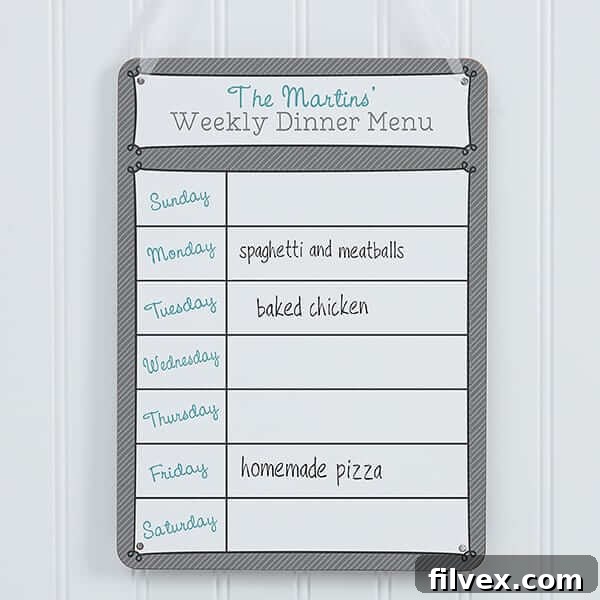
- Electronic Planners and Apps: For the digitally inclined, an electronic system offers unparalleled flexibility and portability. This can range from a basic notes app on your smartphone to sophisticated meal planning applications. While we primarily use a manual system, many fantastic digital options exist. A quick online search for “meal planning apps” will yield numerous free and paid solutions. We’ve had positive experiences with Plan to Eat in the past, a versatile software that helps organize recipes, plan meals, and generate shopping lists.
Explore Popular Meal Planning Apps & Tools
Expert Planning Tips for Seamless Meal Prep
To make your meal prep sessions and subsequent week of cooking as effortless as possible, consider these strategic planning insights:
- Embrace Versatile Recipes: Opt for core recipes that can be cleverly repurposed into entirely different meals. For instance, a slow-cooked shredded chicken can transform from tacos one night, into a vibrant salad bowl the next, and even an easy quesadilla filling or a topping for baked potatoes later in the week. This minimizes cooking fatigue and keeps meals exciting.
- Prioritize Multi-Purpose Side Dishes: Prepare larger quantities of staple side dishes that can complement various main courses. A big batch of cauliflower rice, roasted mixed vegetables, or a fresh green salad can be paired with almost any protein throughout the week, saving you time during individual meal preparations. Homemade coleslaw or a simple bean salad also work wonderfully.
- Synchronize Cooking Methods: When planning multiple recipes for a single prep session, try to select dishes that utilize different cooking methods simultaneously. You can have a roast in the oven, a stew simmering in the slow cooker or Instant Pot, and a stir-fry on the stovetop all at once, maximizing your kitchen’s efficiency.
- Don’t Forget Snacks and Treats: Healthy eating extends beyond main meals. Acknowledge your snacking habits and sweet cravings by planning for them. Prep simple, healthy snacks like pre-portioned nuts, chopped fruits and vegetables with hummus, or homemade energy bites. This strategic planning helps prevent impulse buys of less healthy options when hunger strikes.
Ready to see how these planning tips translate into an organized, actionable plan? Download our comprehensive meal prep recipes and an integrated shopping list below:
Download Meal Prep Recipes and Shopping List
How to Meal Prep Step 3: Execute Your Plan with Precision
With your meticulously crafted meal plan in hand, it’s time for the exciting part: execution! As discussed in Step One, the depth of your execution will depend on your chosen meal prep level. Below, we provide practical tips for efficiently tackling each stage, ensuring your efforts lead to delicious and stress-free meals.
Executing Level 2: Plan + Shop

Efficient shopping is the backbone of successful meal prep. Here’s how to make your grocery runs quicker and more effective:
- Organize Your List by Store and Section: One of the easiest ways to streamline shopping is to segment your grocery list. If you buy certain specialty items at a particular store (e.g., a farmers’ market or Costco), create a dedicated section for that store on your list. Furthermore, within each store’s section, group items by their location in the aisles (e.g., produce, dairy, meat, pantry staples). This systematic approach minimizes backtracking and saves considerable time.
- Leverage Online Shopping and Delivery Services: For even greater efficiency, consider utilizing online grocery pickup or delivery services from your local supermarkets. Platforms like Amazon Fresh or Thrive Market are excellent for stocking up on non-perishables and specialty ingredients, often offering competitive prices and home delivery. This not only saves time but can also help prevent impulse purchases.
- Utilize Meat Delivery Services: To ensure a consistent supply of high-quality proteins without extra trips to the butcher or grocery store, explore reputable meat delivery services. Companies like Moink, Butcher Box, Fish Fixe, or Sizzlefish deliver sustainably sourced meats and seafood right to your doorstep, saving you time and ensuring superior ingredients.
You can see examples of how to organize your shopping list by store and section within our downloadable resources:
Download Your Weekly Meal Plan Template
For a detailed visual of organizing your list by section, refer to our Paleo and Whole30 Meal Plans example shopping list:
View Example Sectioned Shopping List
Executing Level 3: Plan + Shop + Chop (Ingredient Prep)
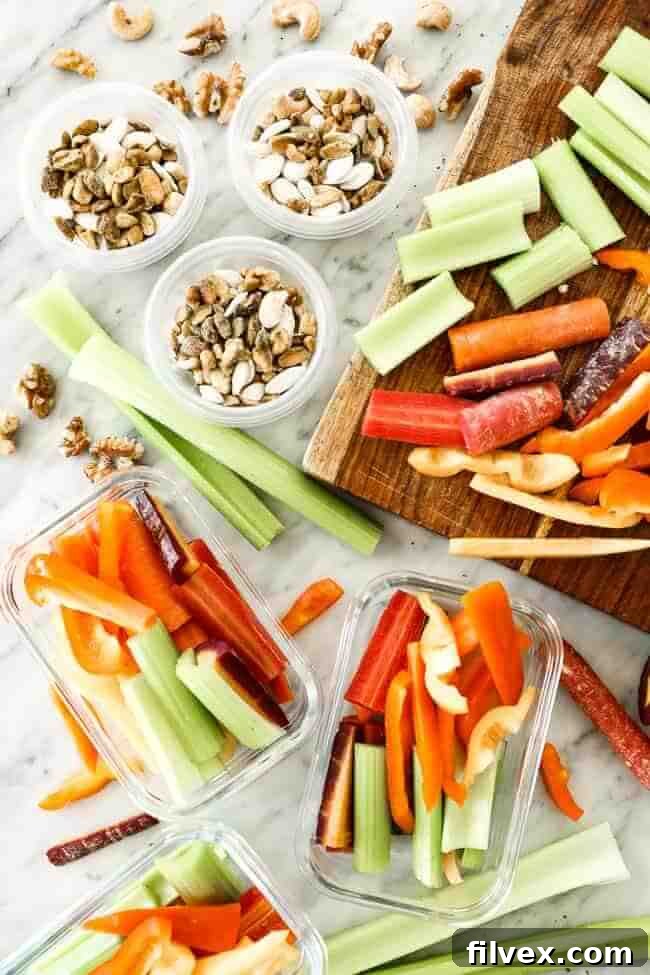
This level significantly reduces your daily cooking time by front-loading the most tedious parts of meal preparation. Here’s how to maximize your ingredient prep:
- Strategic Chopping: Dedicate time to chop all your vegetables, mince garlic, or dice onions for the week’s recipes. A major efficiency hack is to chop ingredients once if they’re used in multiple dishes. For example, if both your Tuesday stir-fry and Thursday soup require chopped carrots, prepare the total amount needed at once.
- Utilize Kitchen Gadgets Wisely: Food processors, spiralizers, and mandolines can be huge time-savers for tasks like shredding cabbage, spiralizing zucchini noodles, or slicing potatoes evenly. Since these tools can be a pain to clean, aim to use them for all relevant recipes in one go, minimizing cleanup time.
- Prepare Flavor Bases: Mix your dry seasoning blends, whip up salad dressings, or prepare versatile sauces (like pesto or a simple vinaigrette) in advance. Storing these in airtight containers means they’re ready to enhance your meals instantly.
- Portion Out Snacks: Prevent unhealthy snacking by preparing healthy options ahead of time. Wash and chop fruits and vegetables, portion out nuts, seeds, or homemade granola into individual bags or small containers. When hunger strikes, a healthy, ready-to-eat option is effortlessly available.
Executing Level 4: Plan + Shop + Chop + Batch (Batch Cooking)
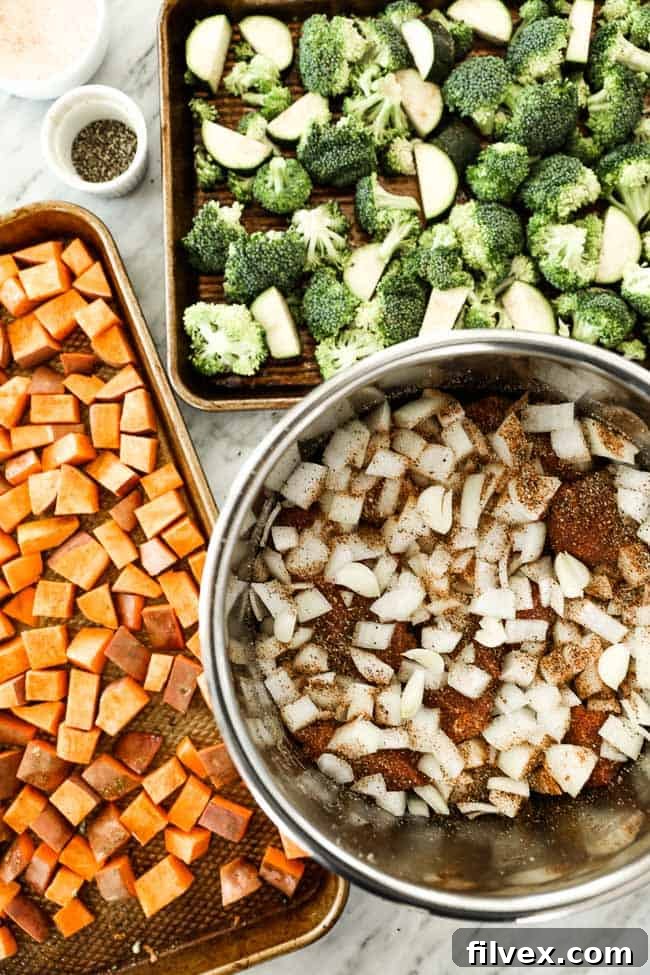
This is where significant time-saving happens in the kitchen. Many people find they can batch cook a remarkable amount of food in just 1-2 hours during a weekend session. Here are our top tips for efficient batch cooking:
- Prioritize Long-Cook Items First: Begin your batch cooking session with recipes that have the longest cooking times. For example, get a roast into the oven or a stew simmering in your slow cooker. While these are cooking, you can simultaneously prep ingredients or start cooking other faster dishes.
- Focus on Versatile Components: Choose recipes and ingredients that can be mixed and matched throughout the week. Think large batches of roasted chicken thighs or breasts, taco meat, hard-boiled eggs, or nutrient-dense grains like quinoa or brown rice. These staples can form the base of many different meals.
- Vary Flavors with Seasonings: To prevent meal fatigue, use seasonings to create diverse flavor profiles from the same base ingredients. For instance, roast a large tray of vegetables, then divide them and season one portion with Italian herbs, another with a smoky BBQ rub, and a third with a zesty lemon-dill blend.
- Utilize All Your Kitchen Tools: Don’t let your appliances sit idle. Maximize your efficiency by using your oven for roasting, your Instant Pot or slow cooker for stews or grains, and your stovetop for sautéing or simmering, all at the same time. This multi-tasking approach significantly cuts down on overall prep time.
Executing Level 5: Plan + Shop + Chop + Batch + Pack (Full Meal Assembly)
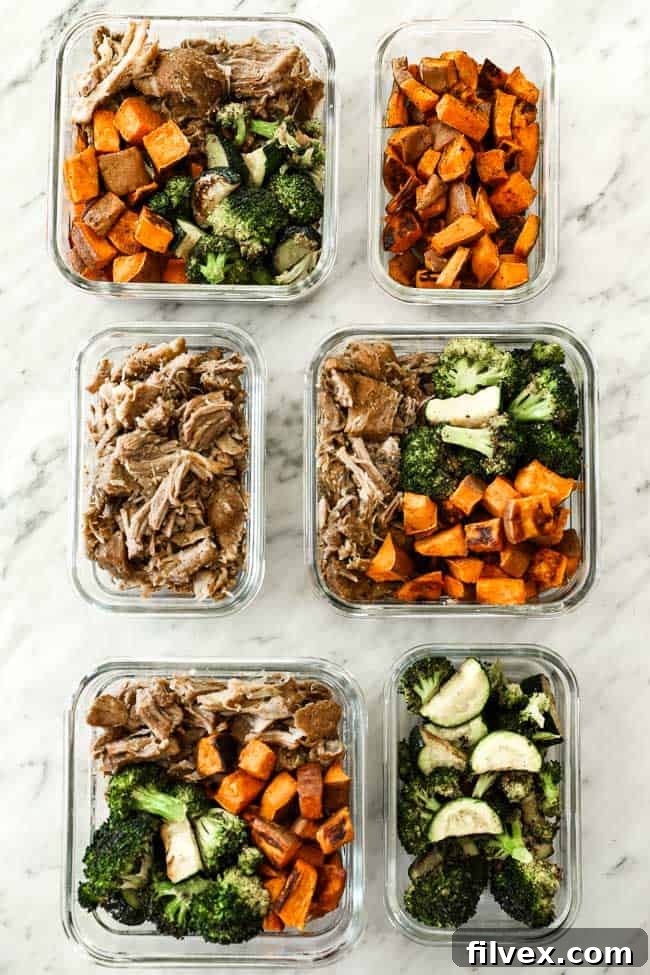
This is the most time-intensive form of meal prep, but it offers the greatest return in terms of daily convenience. With fully packed meals, all you need to do is grab and reheat, making busy weekdays incredibly smooth. Here’s how to master this advanced level:
- Start Small with One Meal Type: If you’re new to full meal packing, begin by focusing on just one meal, such as breakfast or lunch. These are typically “grab and go” meals, making them ideal candidates for individual portioning. Once you’re comfortable, you can expand to other meals.
- Select “Repeat-Friendly” Recipes: Choose recipes that you wouldn’t mind eating multiple times a week. To keep things interesting, plan for minimal modifications like varying dressings, sauces, or toppings. A base salad with different protein sources or a breakfast scramble with varied veggies can work wonders.
- Opt for Durable, Reheat-Friendly Meals: Select recipes that hold up well in the refrigerator for several days, reheat effectively, or can be enjoyed cold. Soups, stews, casseroles, roasted meats, and sturdy salads (with dressing packed separately) are excellent choices. Avoid dishes that become soggy or lose texture quickly.
- Choose Easily Portionable Dishes: Prioritize recipes that are naturally easy to divide into individual servings. Examples include egg muffins, layered salads, grain bowls, chili, and lasagna. This simplifies the packing process.
- Invest in Quality Storage Containers: The right containers are key to success at this level. We highly recommend Glasslock containers. They are durable, leak-proof, oven-safe, and microwavable, making them perfect for storing, reheating, and transporting your prepped meals.
Don’t Forget Your Essential Meal Prep Downloads!
You’ve now armed yourself with a wealth of knowledge on how to meal prep, from understanding the different levels to mastering planning and execution. To ensure your journey is as smooth and successful as possible, don’t forget to download the practical resources we’ve created specifically for you. These tools will significantly simplify your future meal prep sessions, helping you stay organized and on track with your healthy eating goals!
Download Your Customizable Weekly Meal Plan Template
Download Our Essential Meal Prep Recipes and Shopping List
Enjoyed This Comprehensive Guide?
SHARE IT NOW OR PIN IT FOR LATER TO HELP OTHERS DISCOVER THE JOY OF MEAL PREPPING!