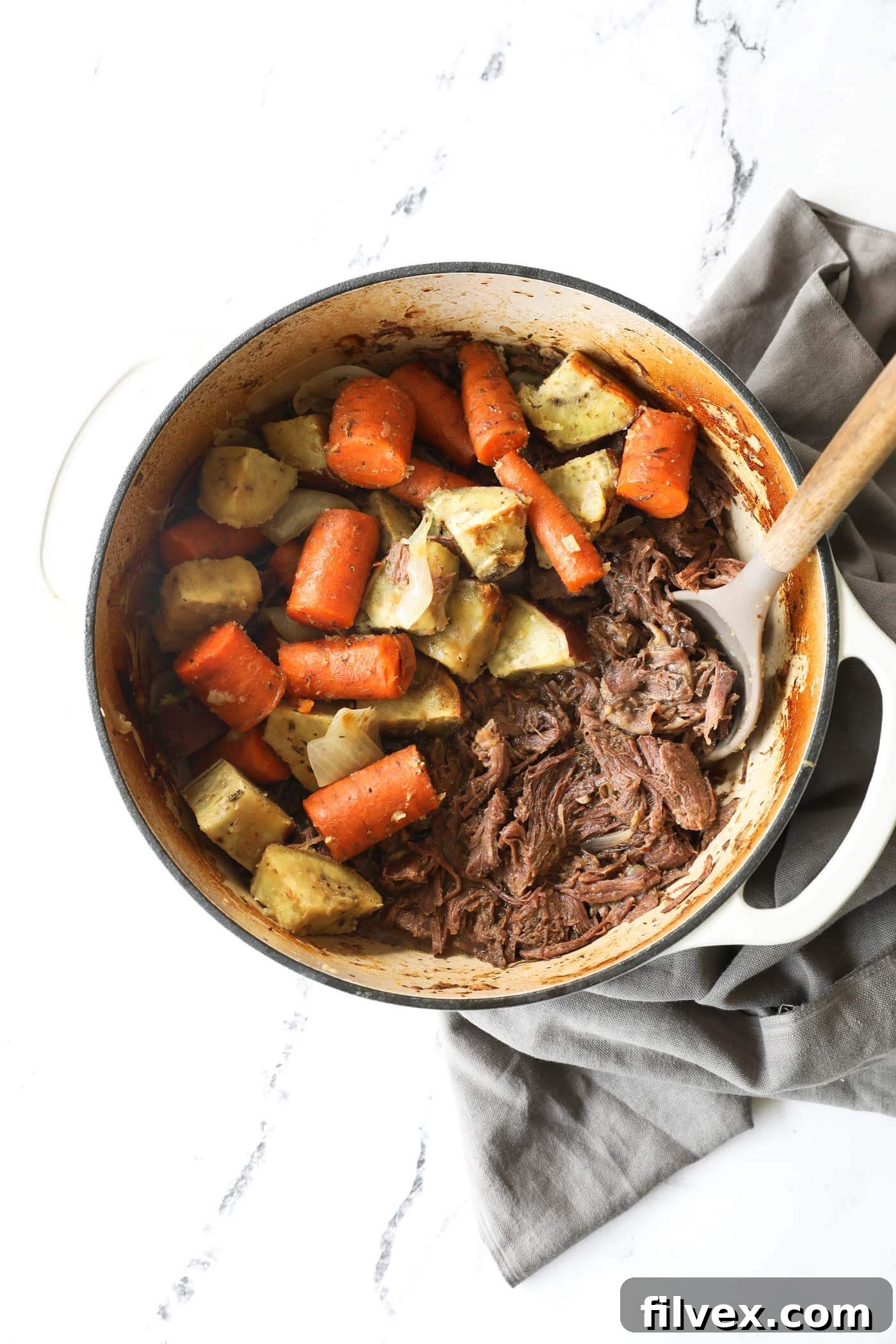
The Ultimate Guide to Making Tender, Juicy Dutch Oven Pot Roast
There’s nothing quite like a hearty, comforting pot roast to warm you from the inside out, especially on a chilly evening. And when it comes to achieving that perfect fall-apart tenderness and rich flavor, the Dutch oven is an unparalleled kitchen hero. This comprehensive guide will walk you through creating a succulent Dutch Oven Pot Roast, complete with aromatic vegetables and a savory gravy, making it an instant family favorite. Forget complicated steps and lengthy prep; our simplified method ensures a truly delicious meal with minimal effort.
What Makes Our Classic Dutch Oven Pot Roast Unforgettable?
Our recipe for Dutch oven pot roast stands out for several compelling reasons, promising a meal that’s both incredibly satisfying and surprisingly simple to prepare:
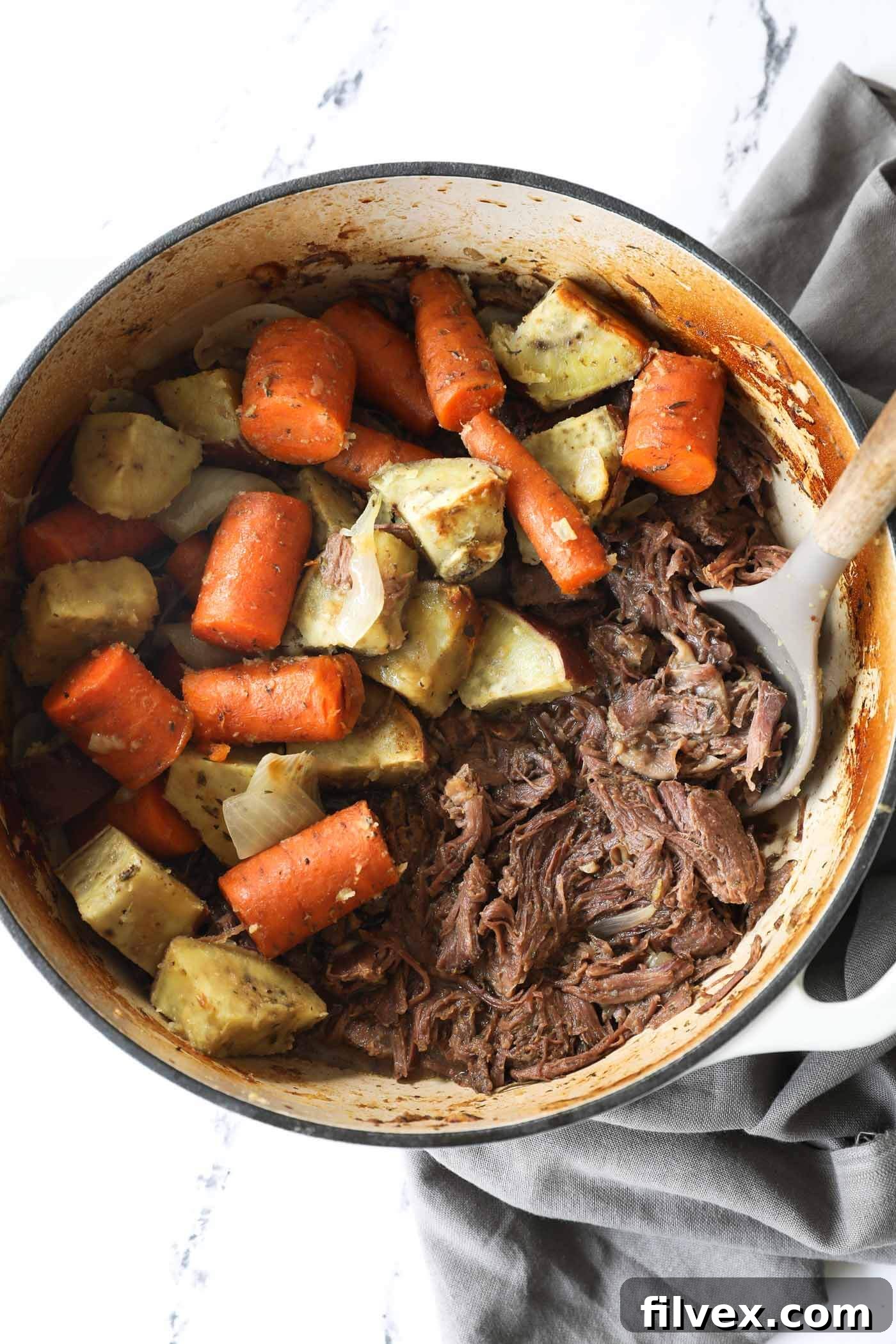
- You’ll achieve an unbelievably tender, cut-with-a-fork pot roast, slow-roasted in the Dutch oven alongside perfectly cooked carrots, potatoes, and onions, creating a complete and balanced meal in one pot.
- It’s the ultimate family dinner choice for those crisp fall and cold winter days, filling your home with the inviting aroma of slow-cooked goodness that promises warmth and comfort.
- The incredible, easy-to-make homemade pot roast seasoning blends harmoniously with all the rich juices, generously coating every ingredient with an irresistible savory flavor.
- This recipe is incredibly straightforward! There’s no need for the extra step of browning the chuck roast, which saves you significant prep time. Simply season your roast generously, allow it to slow cook, and then incorporate your vegetables towards the end for a fuss-free cooking experience.
Related Recipe: Explore our Simple, Versatile Dutch Oven Pulled Pork for another incredible one-pot meal!
The Magic of the Dutch Oven for Pot Roast
A Dutch oven isn’t just a pot; it’s a culinary powerhouse, especially when it comes to slow-cooked dishes like pot roast. Its heavy cast-iron construction (or similar heavy material) and tight-fitting lid create an ideal environment for tenderizing tough cuts of meat. Here’s why it’s the perfect vessel for your pot roast:
- Even Heat Distribution: Dutch ovens distribute heat incredibly evenly, preventing hot spots and ensuring your roast cooks uniformly from all sides. This consistent temperature is key to achieving that melt-in-your-mouth texture.
- Moisture Retention: The heavy lid traps steam and moisture inside, basting the meat continuously throughout the long cooking process. This means your pot roast will remain incredibly juicy and flavorful, without drying out.
- Versatility: A Dutch oven can go directly from the stovetop to the oven, making it perfect for recipes that require initial searing (though we skip it here for simplicity) and then long, slow baking. It’s truly a one-pot wonder, minimizing cleanup.
- Flavor Development: The enclosed environment allows all the ingredients – the beef, broth, seasonings, and vegetables – to meld together, deepening the flavors into a rich, aromatic experience.
Choosing the Right Ingredients for Your Perfect Pot Roast
While the method is simple, selecting quality ingredients is crucial for a stand-out pot roast. Here’s a quick guide to what you’ll need and why:
- Beef Chuck Roast: This is the star of the show. Chuck roast is ideal for pot roast because it has a good amount of marbling (fat) and connective tissue. When cooked low and slow, this tissue breaks down into gelatin, creating an incredibly tender, moist, and flavorful result. You can use bone-in or boneless; bone-in might add a little extra flavor. If chuck roast isn’t available, a round roast or brisket roast are suitable alternatives, though they may require slightly longer cooking to achieve similar tenderness.
- Yellow Mustard (or other mustard): This might seem like an unusual ingredient, but it’s a secret weapon! The mustard acts as a tenderizer and helps the seasoning adhere beautifully to the meat. Don’t worry, the finished dish won’t taste like mustard; its pungent notes mellow out during cooking, leaving behind a subtle tang that enhances the overall flavor profile. Dijon or spicy brown mustard can also be used for a slightly different, more complex flavor.
- Beef Broth: High-quality beef broth forms the foundation of your savory liquid. It not only keeps the roast moist but also becomes the delicious base for your gravy. Chicken or vegetable broth can be substituted if needed, and a splash of red wine can add wonderful depth and complexity to the broth if you’re feeling adventurous.
- Root Vegetables: Carrots, Potatoes, and Onions: These are the classic companions to pot roast. They absorb the rich flavors of the meat and broth, becoming tender and incredibly flavorful.
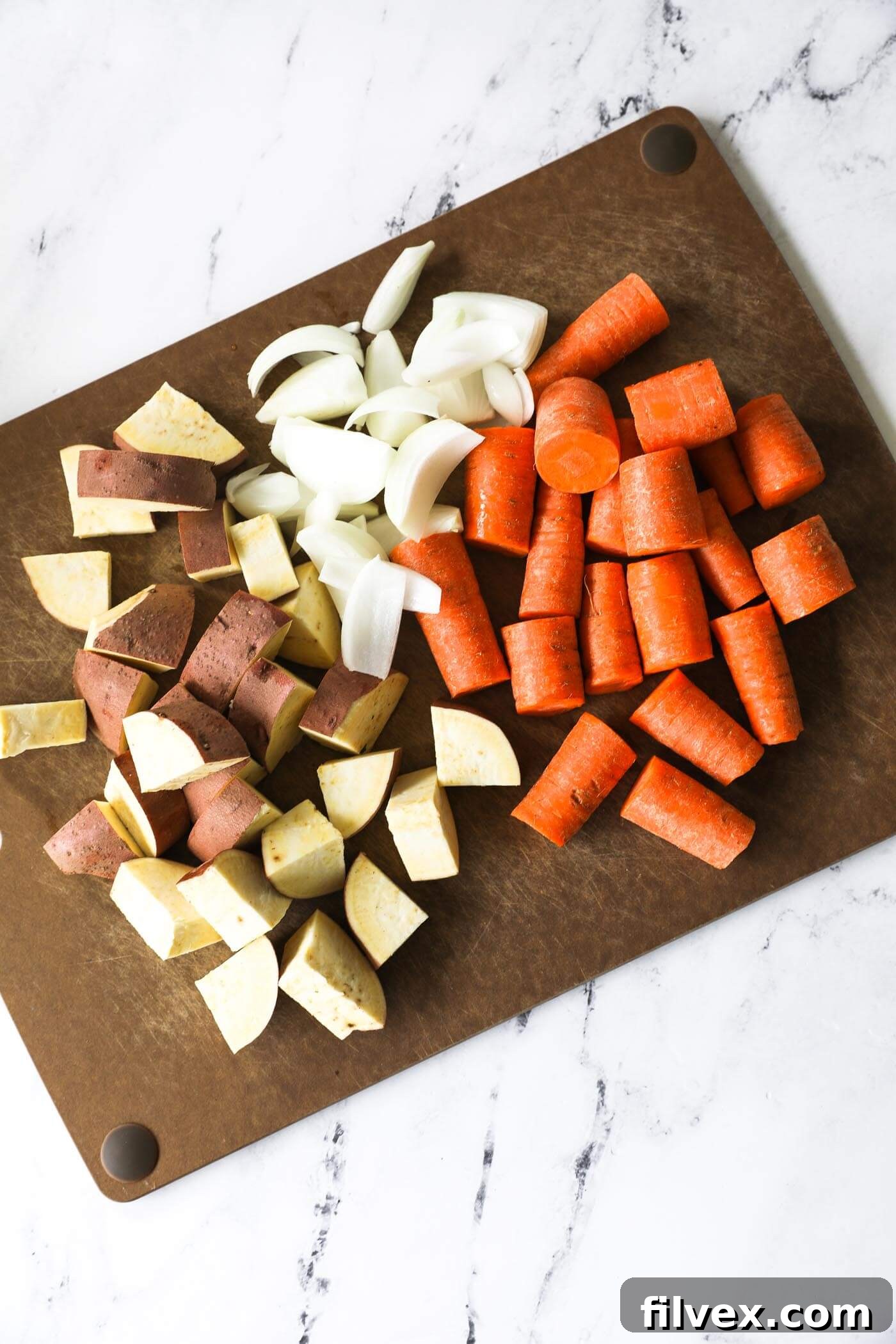
- Carrots: Choose firm carrots and cut them into 3-inch long pieces of similar thickness to ensure even cooking.
- Potatoes: Any potato variety works well – russets, Yukon golds, or red potatoes. Cut them into similar-sized chunks as the carrots. You can peel them or leave the skins on, depending on your preference. Sweet potatoes can also be a delicious substitute for a sweeter, earthier flavor.
- Onions: A large onion, cut into 6-8 substantial chunks, will add a foundational sweetness and aroma to the dish.
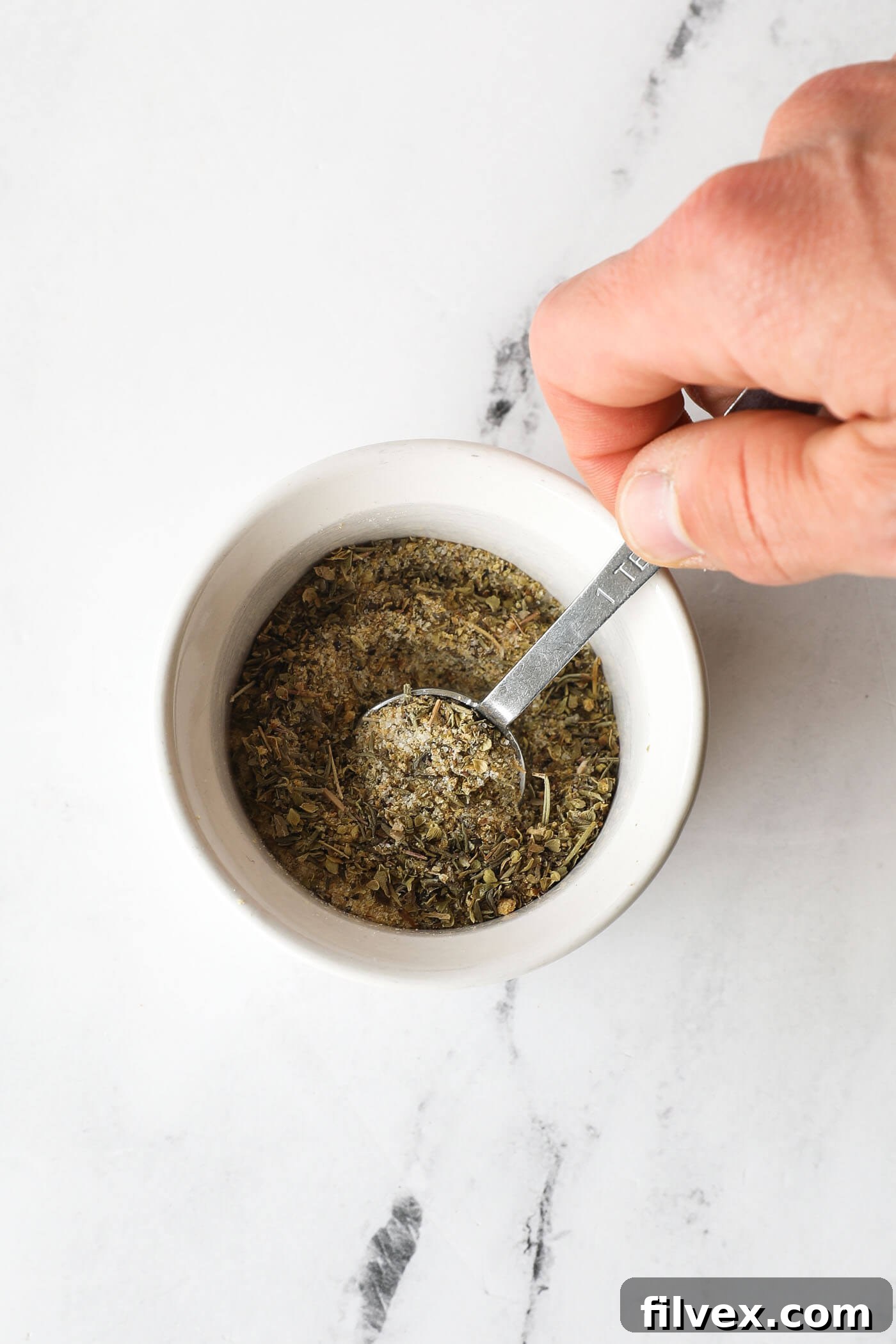
- Homemade Pot Roast Seasoning: Our blend of Italian seasoning, onion powder, garlic powder, sea salt, ground pepper, dried thyme, mustard powder, and coriander creates a robust and perfectly balanced flavor profile that permeates the entire dish.
How to Make This Tender Dutch Oven Pot Roast: A Step-by-Step Guide
Creating this irresistible pot roast is easier than you think. Follow these simple steps for a truly memorable meal:
Expert Home Chef Tips for Pot Roast Perfection
Achieving a truly stellar pot roast isn’t hard, but a few insider tips can elevate your dish from great to absolutely extraordinary. As an experienced home chef, I’ve refined this recipe to deliver maximum flavor with minimum fuss. Here are my top recommendations:
- Skip the Searing – Seriously! Many traditional pot roast recipes call for searing the meat in the Dutch oven before baking. While searing can create a beautiful crust and sometimes deeper flavor, in my extensive personal testing, I’ve found that for this particular recipe, skipping the searing step makes no discernible difference in the final taste or tenderness. Trust me, you’ll save significant prep time and dirty dishes, and the end result will still be incredibly flavorful and fork-tender. This simple omission streamlines the process without compromising on quality.
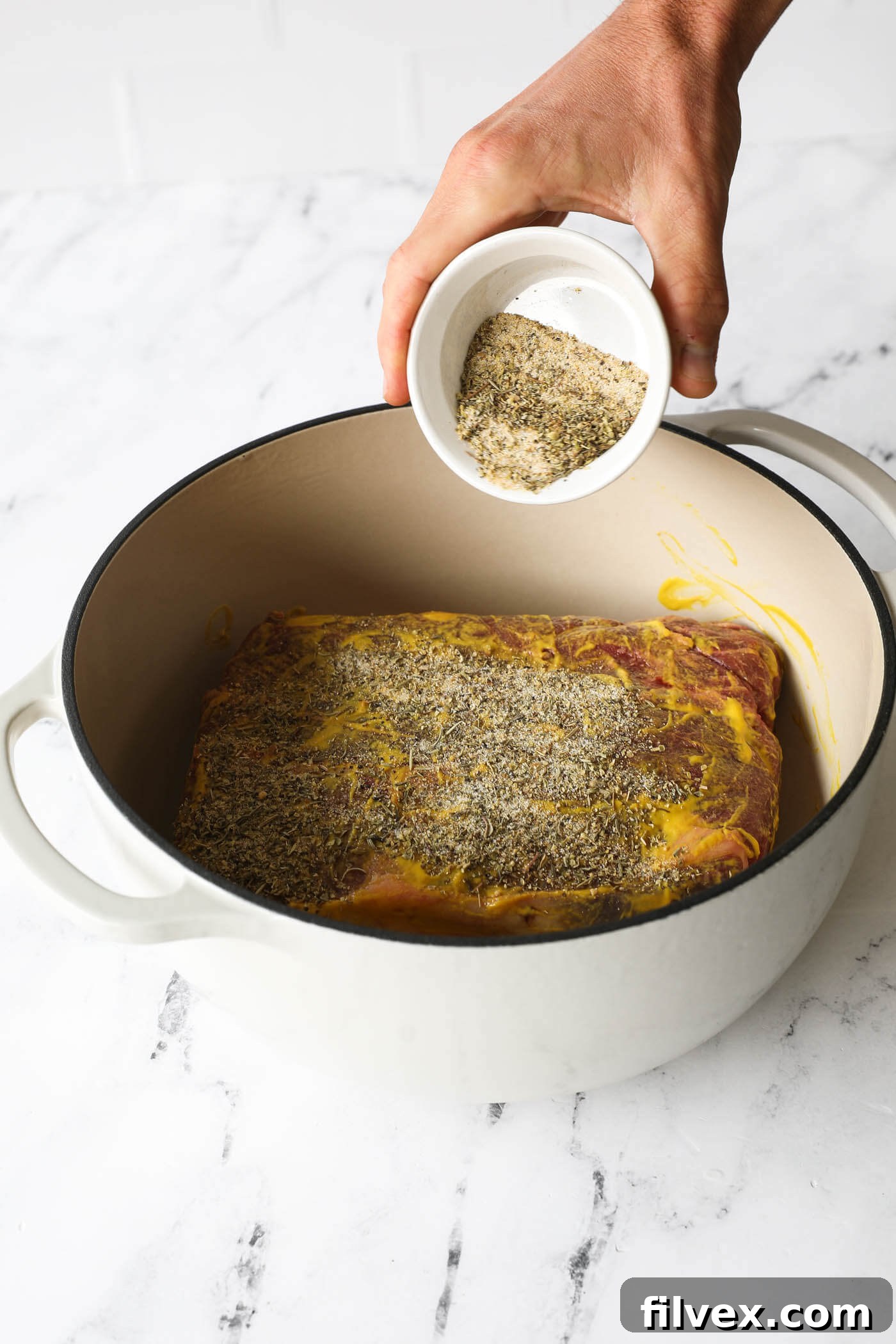
- Don’t Be Shy with the Seasoning: It might seem like a lot of the pot roast seasoning, but go ahead and use it all! The generous amount ensures that every inch of the chuck roast is coated in a rich blend of herbs and spices. As it cooks slowly, this seasoning will mix beautifully with the beef, broth, and the natural juices released from the vegetables, creating a deeply savory sauce that perfectly coats every component of your meal. It’s the secret to a well-balanced and robust flavor.
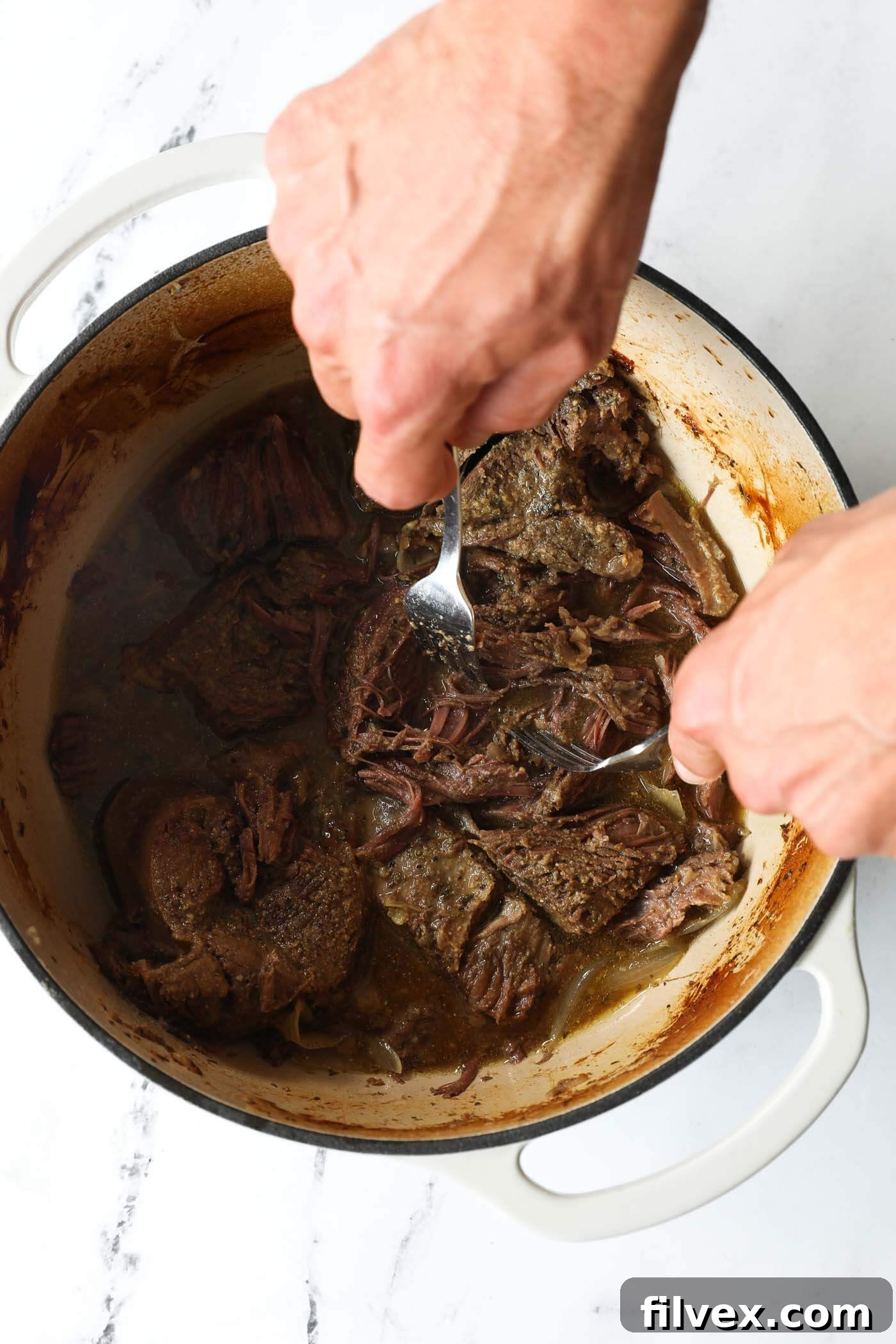
- To Slice or to Shred: Your Choice! This recipe yields a pot roast so tender it can easily be shredded with two forks. If you prefer a more traditional sliced pot roast presentation, simply and carefully remove the entire roast from the Dutch oven at the end of the cooking process. Place it on a sturdy cutting board and slice it against the grain with a sharp knife. Both methods are delicious, so choose what best suits your serving preference!
- Utilize Every Drop of Those Pan Juices: Do not let any of those precious leftover juices in the pan go to waste! These rich, savory liquids are packed with flavor from the slow-cooked beef and vegetables. Be sure to mix them back in with the shredded beef, allowing the meat to re-absorb all that delicious moisture. You can also spoon them generously over the cooked vegetables or even serve them as a light gravy alongside your meal. They are truly the essence of the pot roast’s incredible flavor.
Serving Your Dutch Oven Pot Roast
This Dutch oven pot roast is a complete meal in itself, with the meat and vegetables all cooked together. However, you can always elevate the dining experience with a few simple additions:
- Fresh Herbs: Garnish with fresh parsley or thyme just before serving for a pop of color and freshness.
- Crusty Bread: A warm loaf of crusty bread is perfect for soaking up every last drop of the delicious pan juices.
- Green Salad: A simple side salad with a light vinaigrette can provide a refreshing contrast to the richness of the pot roast.
- Extra Gravy: If you desire a thicker gravy, you can remove the roast and vegetables, then thicken the pan juices on the stovetop with a cornstarch slurry.
Storage and Reheating Tips
Pot roast often tastes even better the next day as the flavors continue to meld. Here’s how to store and reheat your leftovers:
- Storage: Allow the pot roast and vegetables to cool completely. Transfer them to an airtight container, preferably with some of the pan juices, to keep the meat moist. Store in the refrigerator for up to 3-4 days.
- Freezing: Pot roast freezes wonderfully. Place cooled pot roast and juices in a freezer-safe container or heavy-duty freezer bag for up to 3 months. Thaw overnight in the refrigerator before reheating.
- Reheating: For best results, reheat gently in a covered Dutch oven or oven-safe dish in the oven at 300°F (150°C) until warmed through. You can also reheat individual portions in the microwave, adding a splash of broth if needed to prevent drying.
Recipe Variations and Creative Substitutions
While our classic recipe is perfect as is, it’s also incredibly versatile. Feel free to experiment with these variations to suit your taste or what you have on hand:
Roast Options: Generally, a beef chuck roast is considered the best cut for pot roast due to its excellent marbling and collagen content, which breaks down beautifully to create tender, succulent meat. However, if chuck roast isn’t available, you can also use a round roast or brisket roast. Be aware that these cuts might be leaner and could benefit from slightly longer, slower cooking to achieve optimal tenderness.
Mustard Choices: The mustard serves as both a tenderizer and an adhesive for the seasoning, and its flavor largely dissipates during cooking, leaving a subtle savory depth. Any kind of mustard will work! I’ve had fantastic results using regular yellow mustard for a classic taste, a more pungent Dijon mustard for a slight gourmet touch, and even a spicy brown mustard for an extra kick. Choose your favorite or what’s in your fridge.
Broth Enhancements: Instead of plain beef broth, you have several options to alter the flavor profile. You can substitute chicken or vegetable broth for a lighter taste, though beef broth is recommended for the richest flavor. For added depth and complexity, consider mixing in a little dry red wine, such as Cabernet Sauvignon or Merlot. About half a cup or a full cup, reducing the beef broth accordingly, will infuse a wonderful richness. You could also add a tablespoon of Worcestershire sauce or a dash of soy sauce for an umami boost.
Vegetable Mix-ins: While carrots, potatoes, and onions are the quintessential pot roast vegetables, this dish welcomes variety. Use sweet potatoes instead of white potatoes for a touch of sweetness and vibrant color. Parsnips can be a wonderful substitute for carrots, offering a slightly peppery, earthy flavor. Other root vegetables like rutabaga, celery root, or even quartered mushrooms (added during the last hour with other veggies) can be delicious additions. For a touch of green, you could stir in some frozen peas or green beans during the last 15-20 minutes of cooking.
Frequently Asked Questions About Dutch Oven Pot Roast
- Why is my pot roast tough? A tough pot roast is usually a sign that it hasn’t cooked long enough. Chuck roast needs ample time at a low temperature to break down its connective tissues. If your roast is tough, simply return it to the oven, covered, and continue cooking for another 30-60 minutes, or until it’s fork-tender.
- Can I use frozen chuck roast? It’s best to thaw your chuck roast completely in the refrigerator before preparing. Cooking from frozen will significantly increase the cooking time and may result in uneven cooking.
- How do I make the gravy thicker? After removing the roast and vegetables, you can create a thicker gravy. Skim off any excess fat from the pan juices. In a small bowl, whisk together 1-2 tablespoons of cornstarch with an equal amount of cold water to form a slurry. Bring the pan juices to a simmer on the stovetop, then gradually whisk in the slurry until the gravy reaches your desired thickness.
- What if I don’t have a Dutch oven? While a Dutch oven is ideal, you can use any heavy-bottomed, oven-safe pot with a tight-fitting lid. A large casserole dish covered tightly with aluminum foil can also work, though it may not retain moisture as effectively.
We hope you cherish this comforting Dutch Oven Pot Roast recipe as much as we do!
Please don’t forget to show your support by leaving a quick star rating and a review below. We genuinely read every single comment and deeply value your feedback, as it helps our culinary community grow. Moreover, we invite you to explore the rest of our delicious beef recipes to discover more mouthwatering favorites!
Tender (Juicy!) Dutch Oven Pot Roast
10
5
5
10
8
Pin Recipe
Leave a Review
Ingredients
- 4 lb beef chuck roast, (also known as pot roast, bone-in or boneless)
- 3 tbsp yellow mustard, (wet mustard, any type works)
- 1.5 cups beef broth
- 6 carrots chopped into 3-inch long pieces of similar thickness
- 1 large onion, cut into 6-8 chunks
- 1 lb potatoes, cut to similar sized chunks, (any potatoes including sweet potatoes will work, peeled or unpeeled)
For the pot roast seasoning:
- 2 tsp Italian seasoning
- 2 tsp onion powder
- 2 tsp garlic powder
- 2 tsp sea salt
- 2 tsp ground pepper
- 1 tsp dried thyme
- 1 tsp mustard powder
- 1/2 tsp coriander
Equipment
-
Large Dutch oven (6-8 quart recommended)
-
Small bowl for seasoning mix
-
Whisk or spoon
-
Measuring spoons and cups
-
Cutting board and sharp knife
Instructions
-
1. Preheat Oven: Adjust oven racks as needed to comfortably fit your Dutch oven. Preheat your oven to 300°F (150°C). This low and slow temperature is crucial for achieving tender meat.
-
2. Prepare Seasoning: In a small bowl, combine all the dry seasoning ingredients: Italian seasoning, onion powder, garlic powder, sea salt, ground pepper, dried thyme, mustard powder, and coriander. Mix them thoroughly to ensure an even blend.
-
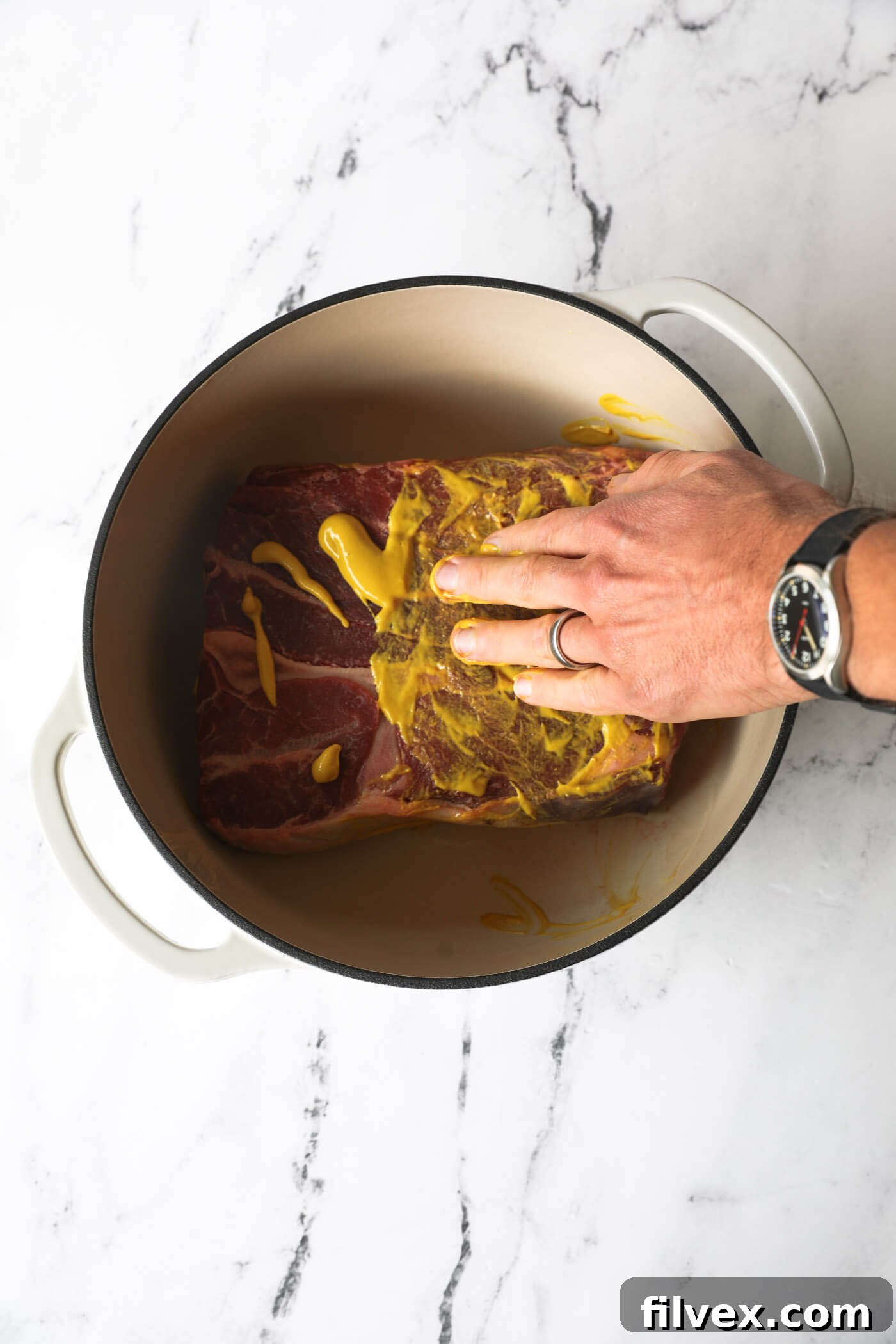
3. Apply Mustard: Generously slather the entire beef chuck roast with the yellow mustard. Ensure all sides are coated. This helps the seasoning adhere and contributes to the roast’s tenderness.
-
4. Season the Roast: Sprinkle the seasoning mixture all over the mustard-coated roast. Press the seasoning gently into the meat to create a flavorful crust. Don’t be shy – use all of it for maximum flavor.
-
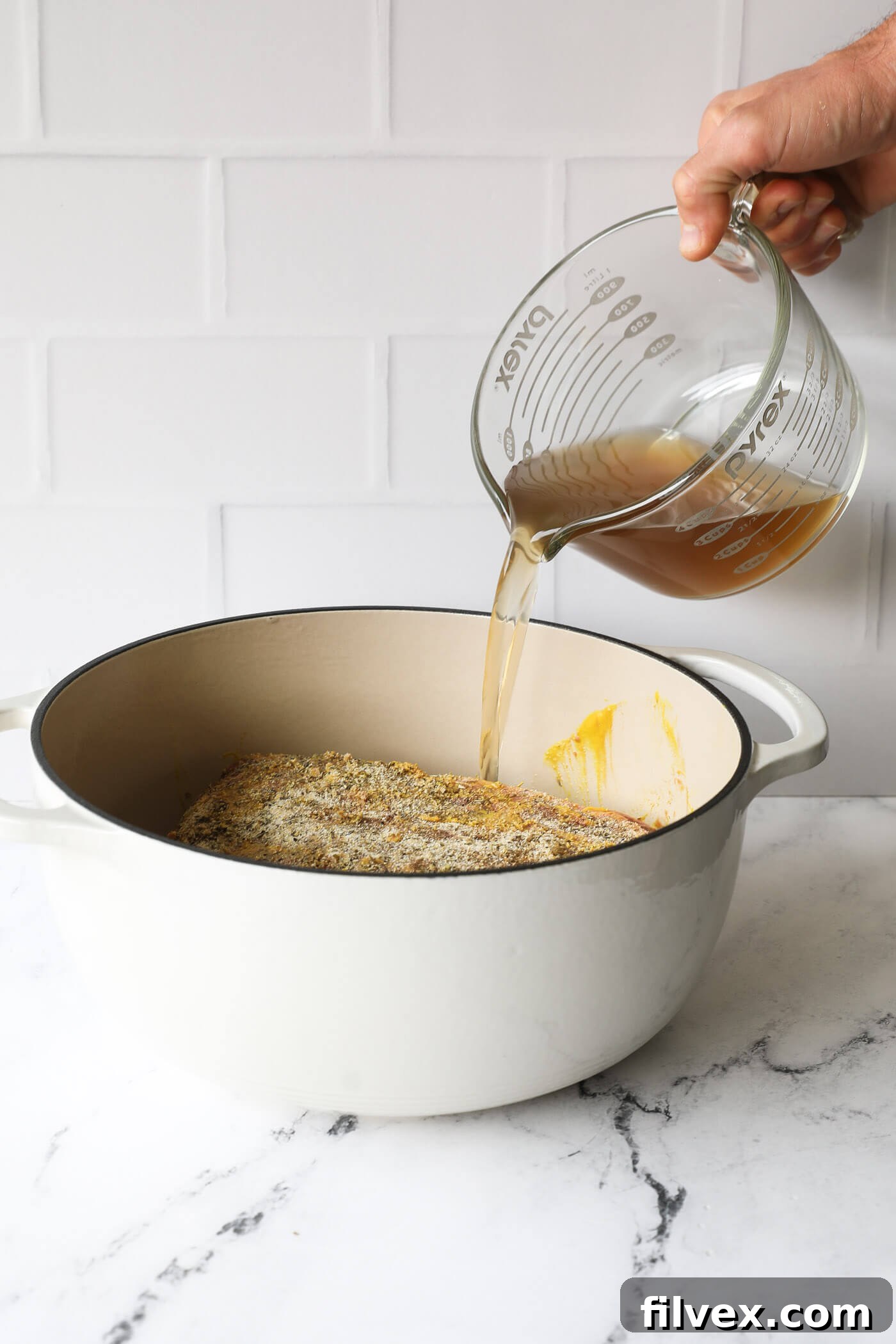
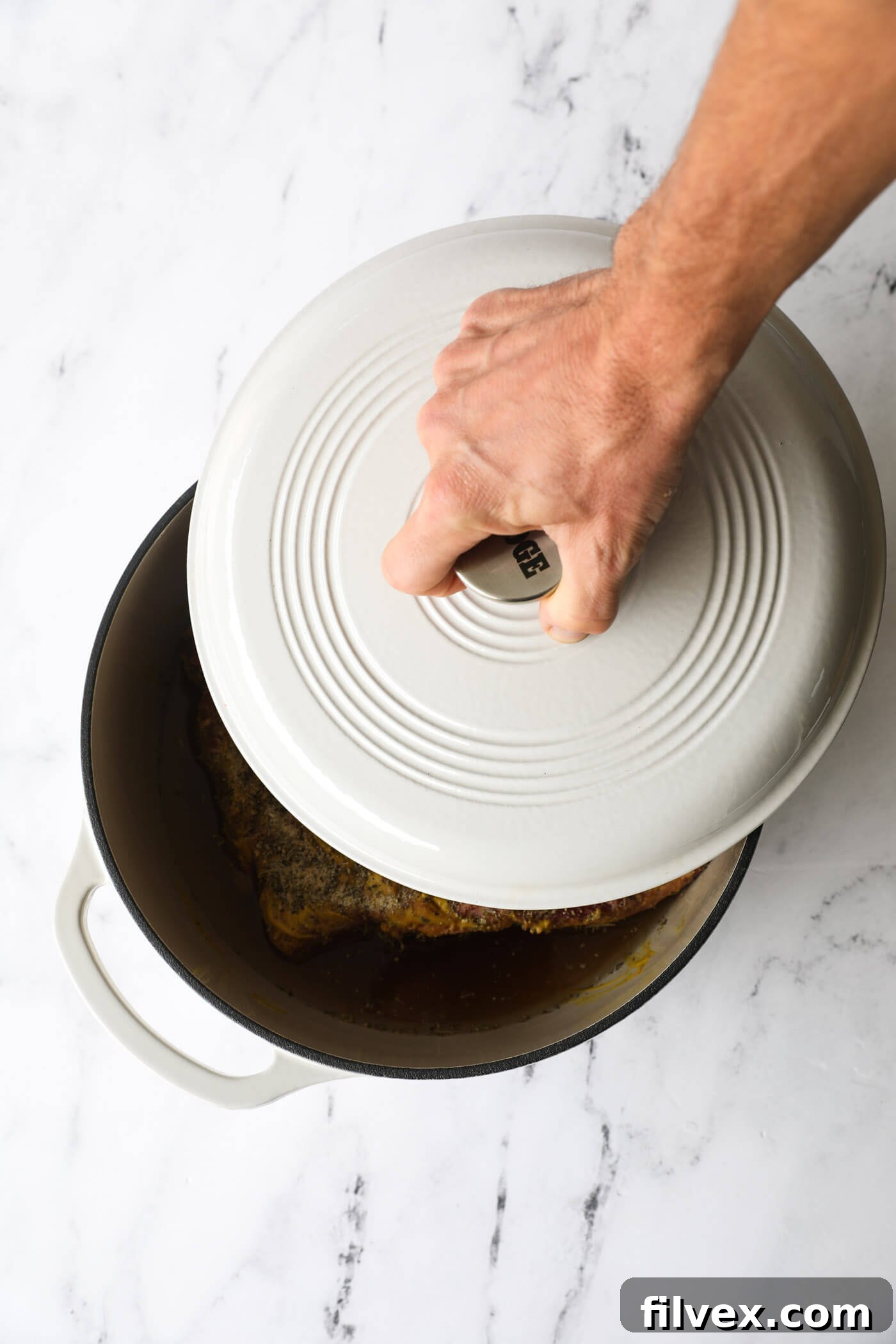
5. Add Broth to Dutch Oven: Place the seasoned roast into your Dutch oven. Pour the beef broth around the base of the roast, being careful not to wash off the seasoning. The liquid should come up about halfway or a third of the way up the sides of the meat. Securely place the lid on the Dutch oven.
-
6. Initial Roast: Carefully transfer the covered Dutch oven to the preheated oven. Cook for 4 hours. During this time, the chuck roast will begin to tenderize and release its incredible flavors.
-
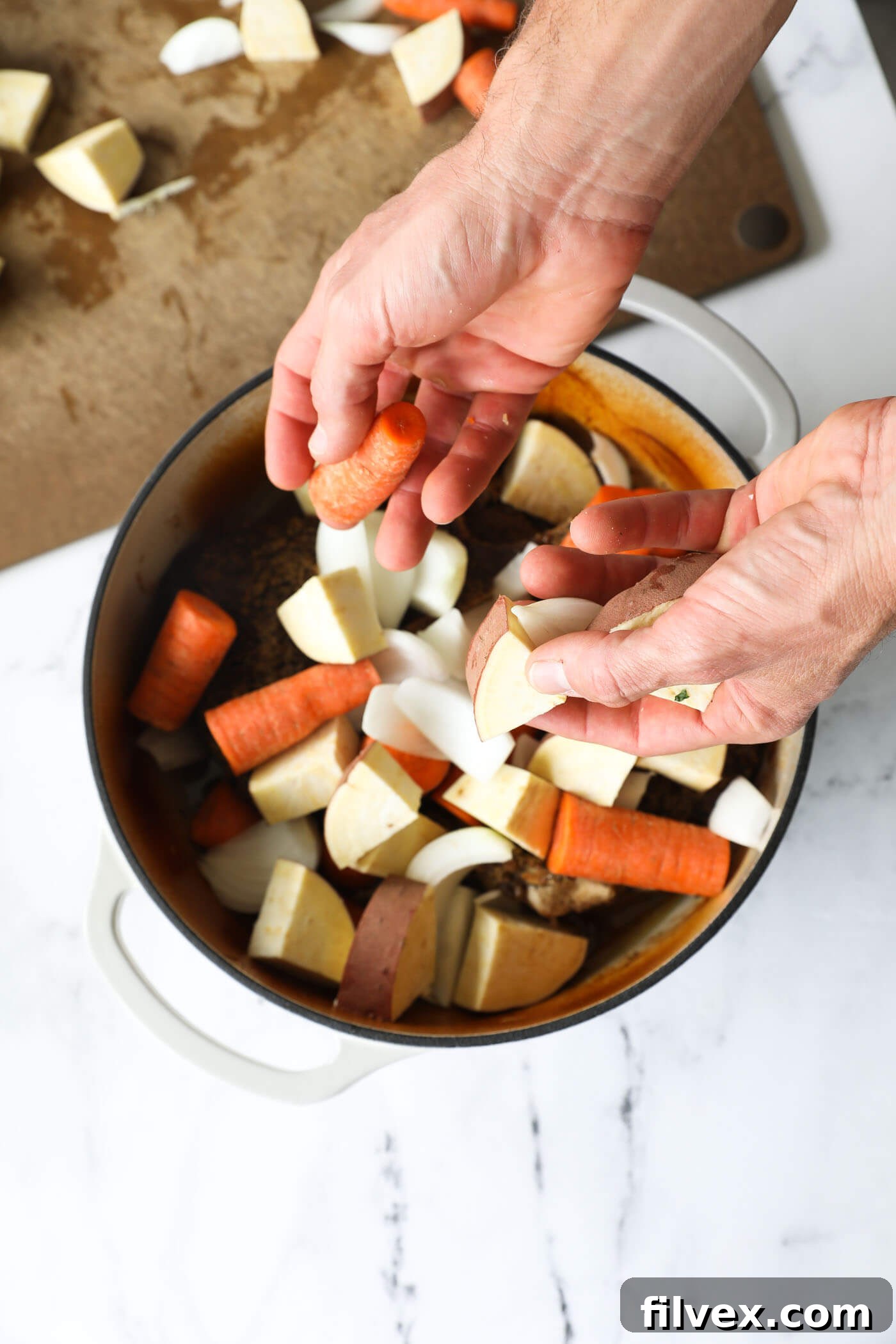
7. Prep Vegetables: About 30-45 minutes before the initial 4 hours of cooking are complete, begin prepping your vegetables. Wash and peel your carrots and potatoes (if desired), then cut them into roughly 3-inch chunks. Cut the onion into 6-8 substantial wedges. Aim for similar sizes for even cooking.
-
8. Add Vegetables: After the roast has cooked for 4 hours, carefully remove the Dutch oven from the oven. Lift the lid and arrange the prepared carrots, onions, and potatoes around the pot roast in the broth.
-
9. Final Roast: Place the lid back on the Dutch oven and return it to the oven to roast for 1 more hour. Cook until the vegetables are fork-tender and the pot roast can be easily pierced or pulled apart with a fork. If the vegetables aren’t tender enough, continue cooking in 15-minute increments.
-
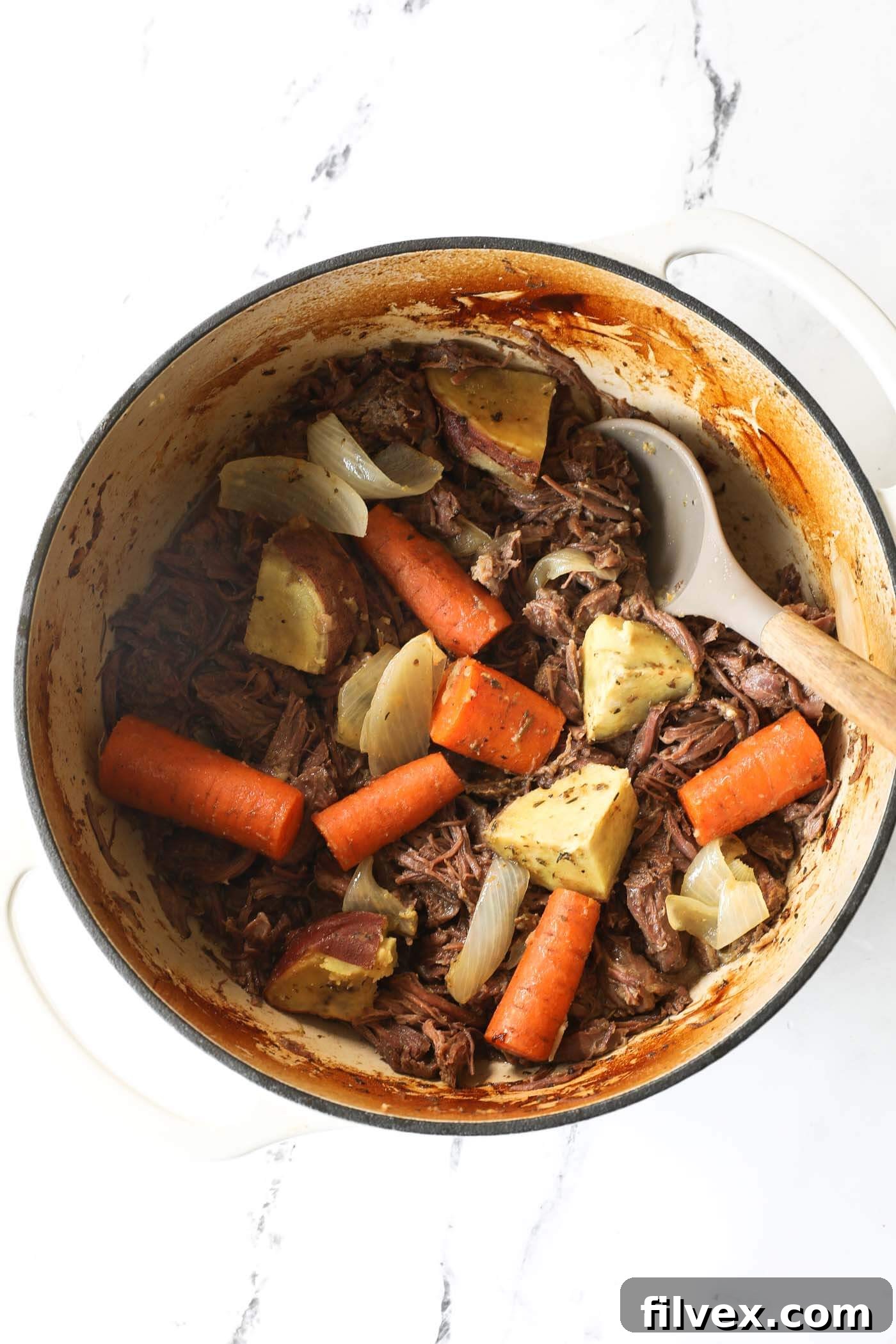
10. Serve: Carefully remove the Dutch oven from the oven. Using a slotted spoon, transfer the cooked vegetables to a serving platter. Shred the pot roast directly in the Dutch oven using two forks, allowing the meat to absorb all the flavorful pan juices. Serve the tender beef alongside the roasted vegetables, spooning extra juices over everything for an incredible depth of flavor. Enjoy!
Last Step:
Please leave a star rating and comment to let us know how you liked this recipe! Your ratings and reviews help our business grow, thank you!
Main Course
Justin Winn
American
Did you make this recipe?
Tag @realsimplegood with hashtag #realsimplegood on Instagram. We love to see what you make!