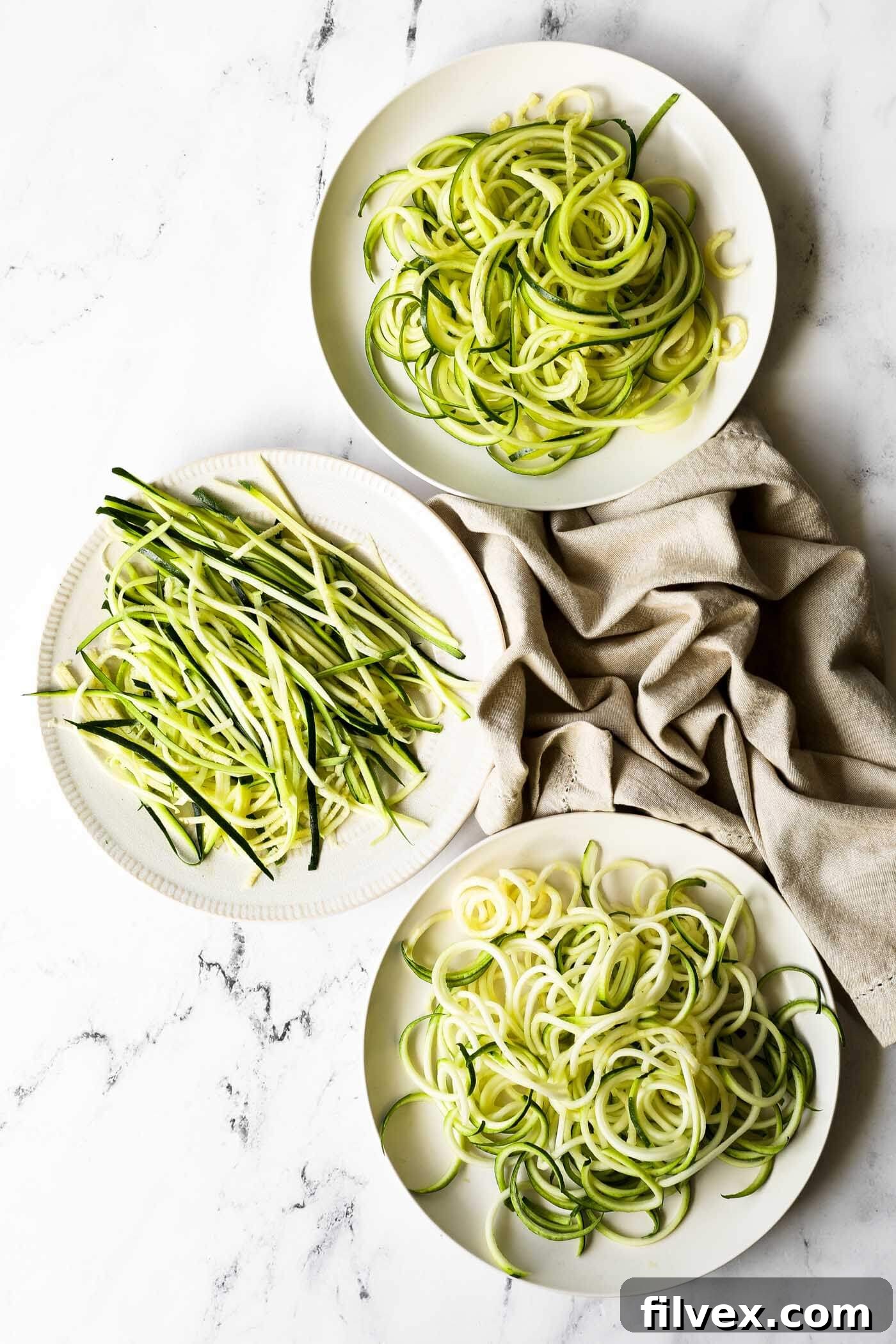
Welcome to the ultimate guide for mastering zucchini noodles, affectionately known as “zoodles”! In today’s health-conscious world, zoodles have become a culinary superstar, offering a fantastic low-carb, gluten-free, and grain-free alternative to traditional pasta. Whether you’re managing dietary restrictions, looking to boost your vegetable intake, or simply seeking a lighter meal option, zoodles provide a versatile and delicious foundation for countless dishes. Say goodbye to heavy, starchy meals and hello to vibrant, fresh, and guilt-free pasta experiences.
This comprehensive guide is designed to empower you with all the knowledge needed to create perfect zoodles every time. We’ll delve into various methods for crafting these delightful vegetable strands, explore the best cooking techniques to achieve ideal texture, and crucially, share expert tips to prevent the common pitfall of watery, soggy zucchini noodles. Prepare to transform humble zucchini into an extraordinary ingredient that elevates your meals and supports a healthier lifestyle.
Mastering Zoodle Creation: Your Guide to Perfect Zucchini Noodles
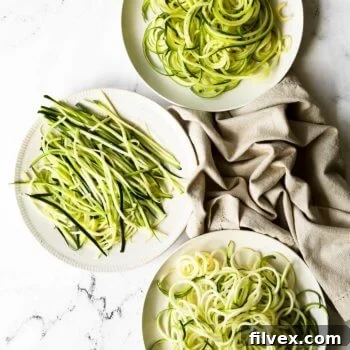
Transforming a fresh zucchini into delicate, pasta-like strands might seem like a chef’s secret, but it’s surprisingly simple and accessible with the right tools. You don’t necessarily need to invest in new kitchen gadgets; many common utensils can help you achieve excellent results. Understanding the different methods available will allow you to choose the best option based on your kitchen equipment, desired noodle shape, and how often you plan to make zoodles. Let’s explore the top three ways to make zucchini noodles, comparing their ease of use, speed, and the unique characteristics of the zoodles they produce.
Before you begin, always select firm, medium-sized zucchinis. Overly large zucchinis tend to have more water content and larger seeds, which can make for less desirable noodles. Wash your zucchini thoroughly and trim off both ends.
- Stand-Up Spiralizer: The Zoodle Champion
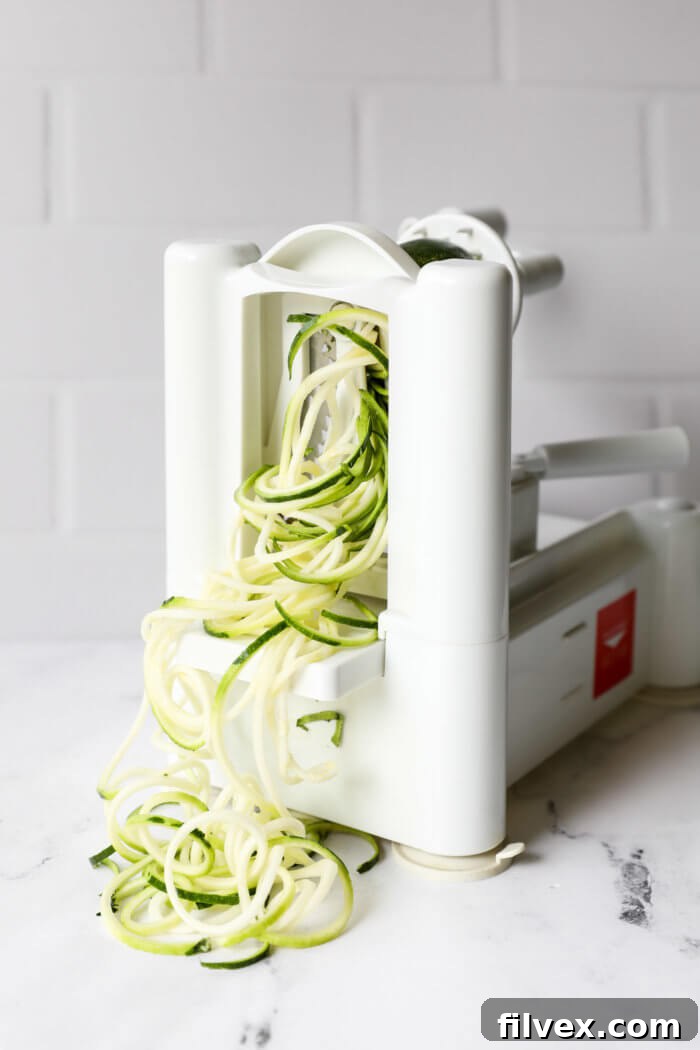
Without a doubt, a stand-up spiralizer is the king of zoodle-making tools. Its robust design and efficient mechanism make turning vegetables into noodles a breeze. If you plan to incorporate vegetable noodles regularly into your diet, this is an investment you won’t regret. A good quality spiralizer typically comes with multiple blade options, allowing you to create a variety of noodle shapes and thicknesses, from fine angel hair strands to wider fettuccine-style ribbons. This versatility opens up a world of culinary possibilities, catering to different sauce consistencies and dish presentations.
To use, simply secure your trimmed zucchini onto the spiralizer’s prongs, select your desired blade, and begin turning the handle. The zucchini effortlessly spins against the blade, producing continuous, uniform noodles that cascade onto your countertop. This method is not only the quickest but also the least cumbersome, minimizing effort and maximizing output. The stability of a stand-up model means you can process multiple zucchinis in minutes, making it ideal for meal prepping or feeding a family. Cleanup is generally straightforward, with many parts being dishwasher safe. For consistent, beautiful, and effortless zoodles, the stand-up spiralizer remains our top recommendation.
- Handheld Spiralizer: Compact & Convenient
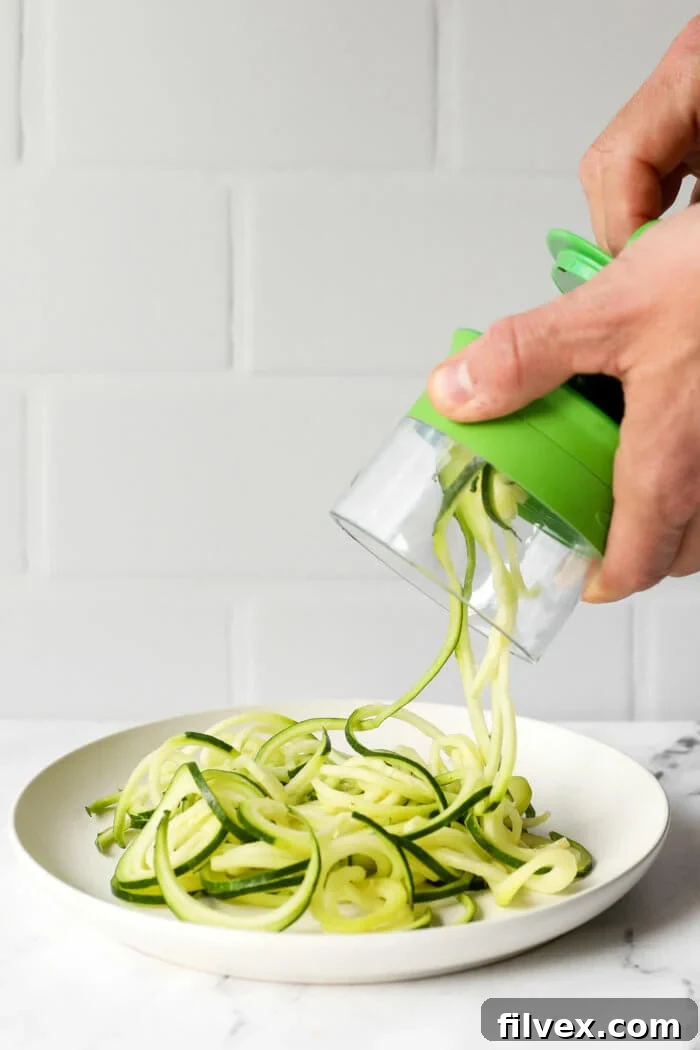
For those with limited kitchen space or who make zoodles less frequently, a handheld spiralizer offers a practical and compact solution. While it requires a bit more effort and time compared to its stand-up counterpart, it’s a perfectly viable option for producing decent zucchini noodles. These devices are typically smaller, fitting comfortably in your hand, and work by twisting the zucchini against a stationary blade.
Similar to stand-up models, many handheld spiralizers come with interchangeable blades, allowing for different noodle shapes and sizes. The process involves pressing the zucchini firmly into the device and twisting it with a rotating motion. While this method can be a bit more strenuous on the hands and might not yield as perfectly uniform noodles as a stand-up spiralizer, its portability and ease of storage are significant advantages. It’s a great choice for individual servings or smaller batches, ensuring you can enjoy fresh zoodles without needing a large piece of equipment. Be mindful of your grip and apply consistent pressure for the best results, and always use the cap provided to protect your fingers as the zucchini gets smaller.
- Julienne Vegetable Peeler: Simple & Accessible
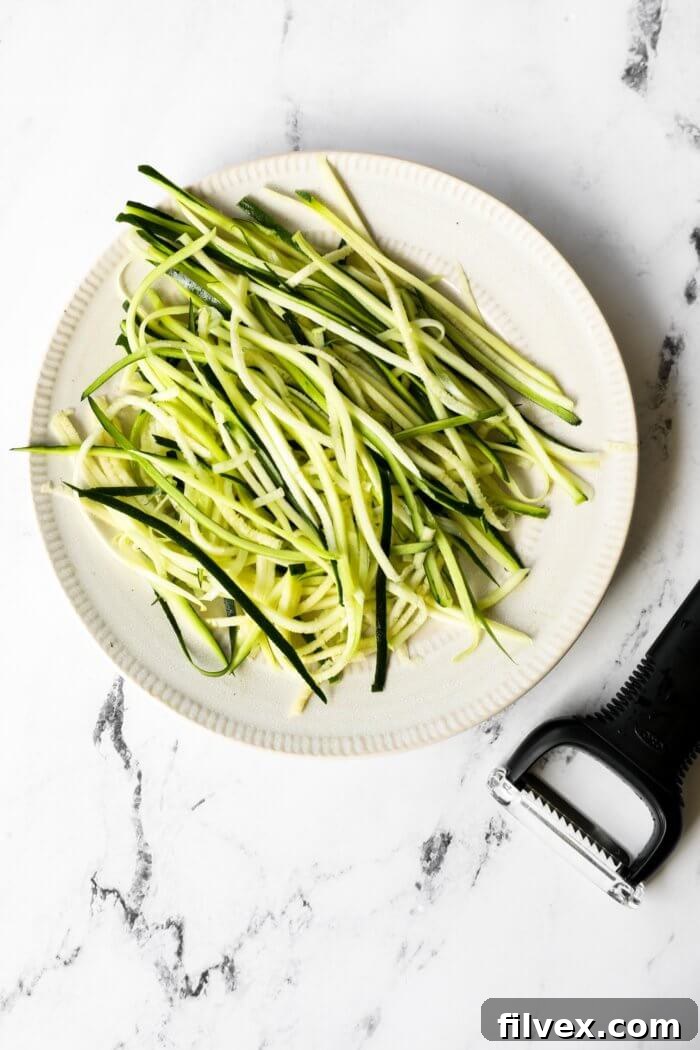
If you prefer to keep your kitchen gadget collection to a minimum, or if you’re just dipping your toes into the world of zoodles, a julienne vegetable peeler is your most accessible option. Most kitchens already have some form of peeler, and a julienne peeler can create thin, straight, noodle-like strips from zucchini. While it may not produce the curly, spaghetti-like strands of a spiralizer, it effectively transforms zucchini into a pasta substitute.
This method involves running the peeler along the length of the zucchini, applying steady pressure. You’ll create flat, thin ribbons that resemble linguine or tagliatelle. Be aware that this method might result in a bit more wasted zucchini, especially as you get closer to the core or if you’re not careful with your peeling technique. Additionally, due to the sharp blades, caution is advised to prevent accidental cuts. For safety, consider using a cutting board to stabilize the zucchini and a protective glove if you’re prone to kitchen accidents. While it’s my least favorite for achieving traditional “noodle” shapes, it’s a fantastic entry-level tool for anyone curious about experimenting with vegetable pasta without any initial investment in specialized equipment.
Expand Your Veggie Noodle Horizons
Are you now a zoodle enthusiast? The world of vegetable noodles extends far beyond zucchini! If you enjoy the light and fresh appeal of zoodles, you’ll love exploring other exciting veggie noodle recipes that bring unique flavors and textures to your plate. Consider experimenting with sweet potato noodles, carrot noodles, or even cucumber noodles for a refreshing twist. These alternatives can be prepared with the same tools and techniques discussed for zucchini, offering endless possibilities for creative and healthy meals. Explore our other reader-favorite veggie noodle recipes, such as our Easy Peanut Butter Chicken & Noodles, Creamy Chicken Sweet Potato Noodles, and Sheet Pan Crispy Vegetable Noodles & Pork to continue your culinary adventure!
Cooking Zoodles: Achieving the Perfect Al Dente Texture
Once you’ve mastered making your zucchini noodles, the next crucial step is learning how to cook them properly. This is where many home cooks encounter challenges, often ending up with a watery, mushy mess instead of firm, delightful strands. The key to successful zoodle cooking lies in understanding one fundamental characteristic of zucchini: its incredibly high water content. Zucchini is approximately 95% water, and when heated, this water is released, making your noodles soft and, if overcooked, soggy. Therefore, the cardinal rule of zoodle cooking is simple: do not overcook them! Quick cooking methods are your best friends here. Let’s dive into my favorite tried-and-true ways to cook zoodles, ensuring they retain their delightful texture and flavor.
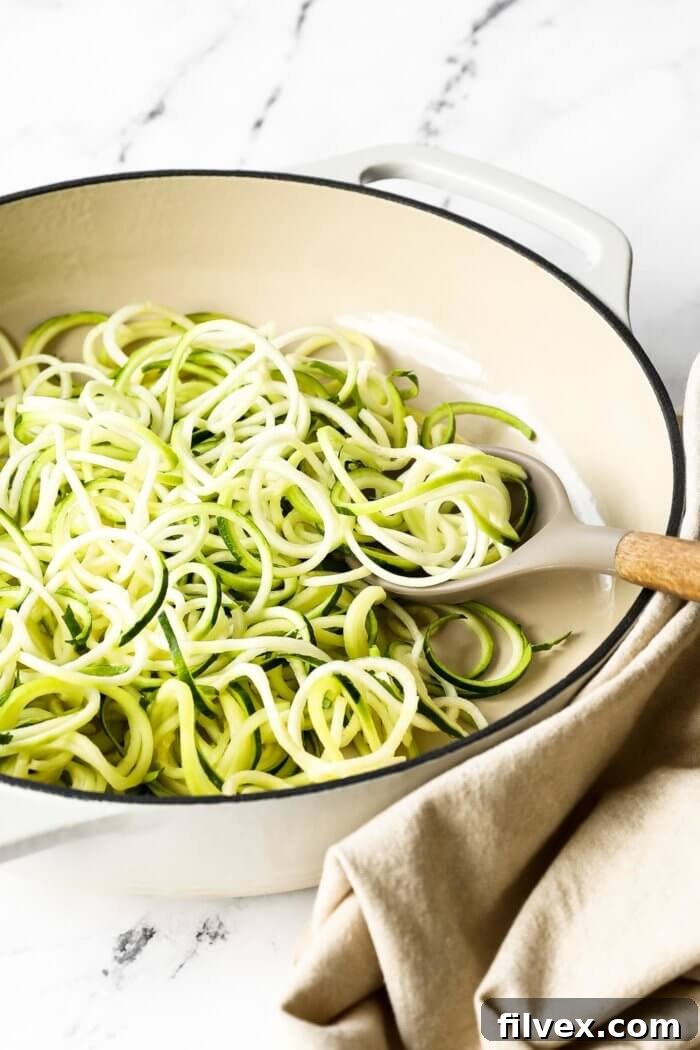
- Sautéing: The Go-To Method for Quick & Flavorful Zoodles
Sautéing is undoubtedly the most popular and often preferred method for cooking zoodles, and for good reason. It’s fast, allows for great flavor absorption, and gives you excellent control over the texture. This method works wonderfully when you’re preparing a quick weeknight meal or cooking a sauce simultaneously on the stovetop.
Method: Heat a large skillet or non-stick pan over medium to medium-high heat. Add a tablespoon of a high-smoke-point oil like olive oil, avocado oil, or coconut oil. Once the oil shimmers, add your prepared zoodles to the pan. Season lightly with salt and pepper to taste. Toss the zoodles continuously using tongs or a spatula for just 1-2 minutes. The goal is to warm them through and lightly soften them, but not to fully cook them until limp. You want them to remain slightly firm, with a pleasant crunch. As soon as they are heated and slightly pliable, remove them immediately from the pan. Overcrowding the pan can lead to steaming instead of sautéing, so cook in batches if necessary.
- Microwaving: The Ultimate Time-Saver
For unparalleled speed and convenience, especially when preparing a single serving, microwaving zoodles is an excellent choice. It’s incredibly simple and keeps cleanup to a minimum, making it perfect for busy individuals.
Method: Place your zoodles in a microwave-safe glass bowl. Do not add water. Cover the bowl loosely with a lid or microwave-safe plastic wrap, leaving a small vent. Microwave on high for just 1 minute. After 1 minute, check the noodles for desired tenderness. If they need to soften further, continue microwaving in short 30-second increments, checking after each burst, until they reach your preferred consistency. Remember, the goal is to warm them and slightly soften them, not to steam them into submission. The less time they spend in the microwave, the less water they will release.
- Roasting: A Niche Option for Specific Dishes
While roasting might seem like a straightforward cooking method, it’s generally my least favorite for standalone zoodles. The longer cooking time and exposure to heat can extract a significant amount of water, often leading to a texture that is softer and less “noodle-like” than desired for a pasta substitute. However, it does have its place in certain recipes.
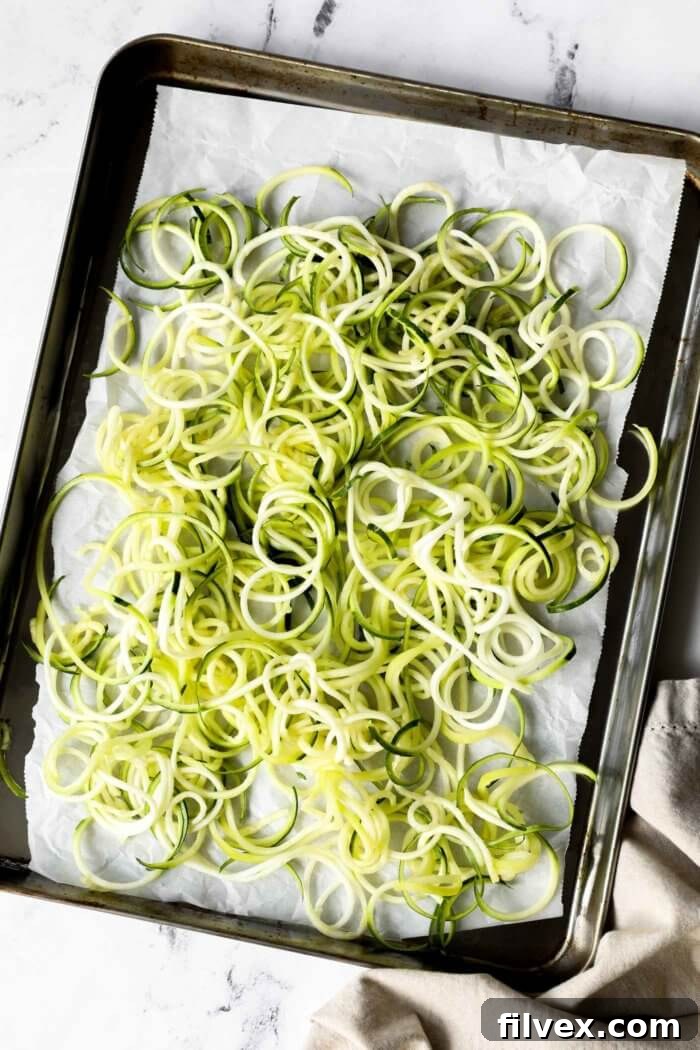
Method: Preheat your oven to a relatively low temperature, around 200°F (95°C). Line a baking sheet with parchment paper to prevent sticking and aid cleanup. Spread your zoodles evenly in a single layer on the prepared baking sheet. Roast for approximately 10-12 minutes, stirring once halfway through. While this method can dry them out somewhat, it often results in a chewier, less vibrant zoodle. I primarily use roasting for zoodles when they are part of a larger, baked dish, such as our Easy Zucchini Casserole or Zucchini Lasagna, where their softer texture blends well within the overall structure of the dish.
Essential Tips for Preventing Watery, Soggy Zoodles
The quest for perfect, non-soggy zoodles can be challenging, but it’s entirely achievable with a few smart techniques. The primary culprit behind mushy zucchini noodles is their high water content. By proactively managing this, you can ensure your zoodles maintain a delightful texture and don’t dilute your sauces. Here are the most effective strategies to keep your zoodles firm, flavorful, and free from excess moisture:
- Pre-Salting and Draining: Your First Line of Defense
This is arguably the most crucial step for avoiding watery zoodles. Zucchini, like eggplant, releases water when exposed to salt. By drawing out excess moisture before cooking, you significantly reduce the chances of a soggy outcome.
Method: After spiralizing your zucchini, spread the zoodles out in a single layer on a baking sheet lined with paper towels or a clean kitchen towel. Lightly sprinkle them with a pinch of salt (about ½ teaspoon for two medium zucchinis). Let them sit for 15-30 minutes. You’ll notice beads of water forming on the surface. Gently blot the zoodles dry with more paper towels or wrap them in a lightweight, clean dish towel and gently squeeze out as much moisture as possible. You’ll be surprised by how much water comes out! This step makes a remarkable difference in their final texture.
- Mindful Cooking: The “Don’t Overcook” Mantra
As emphasized earlier, overcooking is the number one enemy of crisp zoodles. Zucchini cooks incredibly quickly, often in just 1-2 minutes. Treat them like delicate pasta that needs to be cooked al dente.
Method: Stick to the short cook times suggested in the sautéing and microwaving sections above. The moment they become tender-crisp, remove them from the heat. They will continue to soften slightly from residual heat, so err on the side of undercooking rather than overcooking.
- Strategic Incorporation into Hot Dishes: Timing is Everything
When adding zoodles to hot soups, stews, or sauces, timing is critical. If you add them too early, they will stew in the liquid, quickly becoming overcooked and mushy.
Method: For hot soups or sauces, add the zoodles during the very last minute or two of cooking, just enough time for them to warm through and absorb some flavor without losing their integrity. They will wilt slightly and soften simply from the residual heat of the dish, achieving a perfect al dente texture.
- Embrace Raw Zoodles: The Freshest Option
Sometimes, the best way to cook zoodles is not to cook them at all! Eating zoodles raw is a fantastic way to enjoy their crisp texture and fresh flavor, completely eliminating any risk of sogginess.
Method: Toss raw zoodles directly into salads for an added crunch and volume. If you’re pairing them with warm ingredients, simply toss the raw zoodles with your warmed sauce, protein, or other vegetables right before serving. The warmth of the other components will gently soften the zoodles without truly “cooking” them, preserving their delightful bite. This method works exceptionally well with pesto, light vinaigrettes, or cold pasta salads.
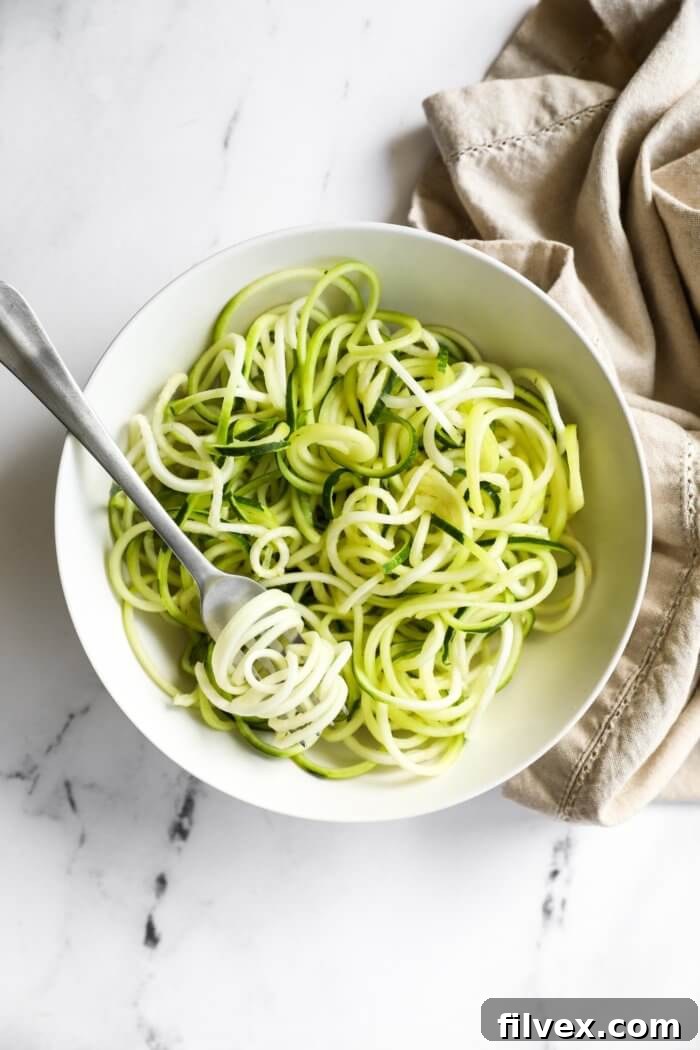
Inspiring Recipes and Perfect Pairings for Zucchini Noodles
Zucchini noodles are incredibly versatile, serving as a blank canvas for a myriad of flavors and cuisines. Their neutral taste allows them to beautifully complement almost any sauce or protein, making them a staple for healthy and creative cooking. Here are some inspiring ideas and recipes where zoodles truly shine:
- Classic Italian: Pair zoodles with a rich marinara sauce, creamy alfredo, or fresh pesto. Add grilled chicken, shrimp, or meatballs for a complete meal. For a lighter touch, toss with cherry tomatoes, fresh basil, garlic, and a drizzle of olive oil.
- Asian-Inspired: Use zoodles in stir-fries, ramen-style dishes, or with peanut sauces. Our Pork Ramen Noodles and Szechuan Noodles recipes are excellent starting points. They absorb bold flavors beautifully, offering a refreshing alternative to traditional noodles.
- Garlic Butter & Seafood: Zoodles are a dream pairing with seafood. A simple garlic butter sauce, perhaps with a twist of lemon, is all you need to create an elegant and quick meal. Try our Easy Garlic Butter Shrimp recipe with zoodles for an unforgettable dish.
- Baked Dishes: While not ideal for standalone roasting, zoodles are fantastic in baked casseroles and gratins, where their moisture helps keep dishes tender. Our Easy Zucchini Casserole is a prime example of how zoodles can enhance a comforting baked meal.
- Cold Salads: For a refreshing summer meal, toss raw zoodles with a light vinaigrette, fresh vegetables like bell peppers and cucumbers, and your favorite protein for a vibrant “pasta” salad.
The possibilities are endless. Don’t be afraid to experiment with your favorite sauces, herbs, spices, and proteins. Zoodles are a fantastic way to enjoy the essence of your beloved pasta dishes while embracing a healthier, vegetable-forward approach to cooking.
Your Turn to Create Culinary Magic with Zoodles!
You’re now equipped with all the essential knowledge to conquer the art of zucchini noodles. Whether you’re a seasoned chef or a kitchen novice, the journey to making delicious, perfectly textured zoodles is within your reach. From selecting the right tool for creating those delightful strands to mastering the delicate balance of cooking them just right, and armed with tips to banish watery outcomes, you are ready to transform humble zucchini into an exciting culinary experience.
Embrace the versatility and health benefits that zoodles bring to your table. Experiment with different sauces, proteins, and seasonings, and discover new favorite dishes that are both nourishing and incredibly flavorful. We encourage you to put these techniques into practice and see the difference for yourself. Your next meal could be a vibrant, low-carb, and incredibly satisfying zoodle creation.
We love seeing what you create! Once you’ve whipped up your perfect batch of zucchini noodles or tried one of our suggested recipes, please take a moment to leave a comment and rating below. Your feedback helps our community grow and inspires others to embark on their zoodle adventures. Don’t forget to tag us in your Instagram posts @realsimplegood, so we can celebrate your culinary success. Happy zoodling!
5 from 6 ratings
How to Cook and Avoid Watery, Soggy Zucchini Noodles
Zoodles are a fantastic low-carb pasta alternative, but how do you cook them so they don’t become a watery, soggy mess? We’ll show you how to make zucchini noodles and share the best ways to cook them to perfection!
Pin Recipe
Leave a Review
Ingredients
- 1 zucchini, spiralized (see methods noted in post above)
- 1 tbsp olive oil, or other cooking oil of choice
- Salt and pepper, to taste
Equipment
- Spiralizer
Instructions
- Heat a skillet over medium heat and add in the oil.
- Once the pan is hot, add the zoodles in and sprinkle with a little salt and pepper. Cook, stirring frequently, for 1-2 minutes or until the noodles are warmed through. Don’t overcook; simply warm up the noodles to keep them from becoming watery and mushy.
Last Step:
Please leave a star rating and comment to let us know how you liked this recipe! Your ratings and reviews help our business grow, thank you!
Did you make this recipe?
Tag @realsimplegood with hashtag #realsimplegood on Instagram. We love to see what you make!